What Does Lockjaw in Dogs Mean?
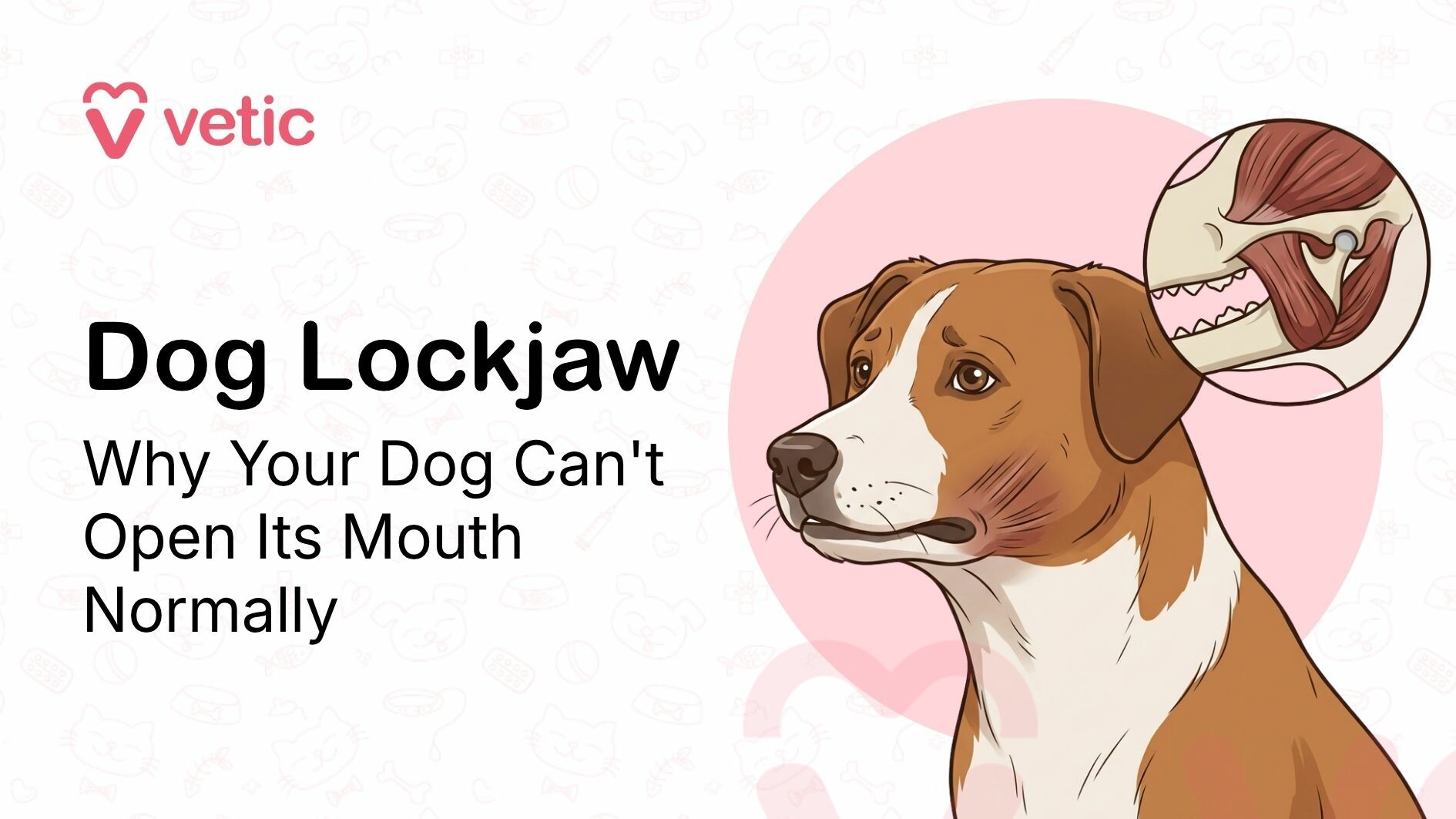
Lockjaw in dogs refers to a sudden difficulty or inability to open the mouth normally. It’s a symptom, not a single disease.
Trismus vs True Tetanus Lockjaw
Experienced vets for dogs call this trismus, muscle spasm or restriction limiting jaw movement. True tetanus, lockjaw, is a specific, rarer cause of trismus.
When Is Lockjaw in Dogs an Emergency?
Some situations need same-day care, not a wait-and-see approach.
Breathing
Struggling to breathe, along with jaw stiffness, is always an emergency.
Swallowing
Being unable to swallow, even water, increases the risk of dehydration and aspiration.
Declining Risks
Rapidly worsening stiffness over hours, rather than days, points to a more rapidly progressing problem.
What Are the First Signs of Dog Lockjaw?
The earliest signs are often easy to miss or explain away.
Trouble Eating, Drinking, or Yawning
A dog may hesitate at mealtimes, drink less, or stop yawning normally. These small changes often show up before obvious jaw stiffness.
Drooling, Facial Pain, and Jaw Stiffness
Excess drooling, a tense or painful face, and a visibly stiff jaw usually follow. The dog may also pull the lips back into a tight, grimacing look.
What Causes Lockjaw in Dogs?
Causes range from minor and treatable to rare and dangerous.
Tetanus After a Wound
Tetanus develops when Clostridium tetani bacteria enter a deep wound and release a nerve toxin. Dogs are more resistant to this toxin than most other species.
Dental Disease, Abscesses, and Oral Injury
A painful tooth, abscess, or jaw injury is a far more common explanation. These cases are usually much easier to treat than tetanus.
Sticks, Bones, and Other Foreign Bodies
A stick or bone wedged across the roof of the mouth can also stop the jaw from moving normally.
How Is Dog Lockjaw Treated?
Treatment always starts with identifying the underlying cause, since dog lockjaw treatment varies depending on what’s causing it.
Pain Control, Fluids, and Antibiotics
These three form the backbone of supportive care.
Pain Relief
Pain relief helps a dog rest and start eating again sooner.
Fluid Therapy
Dogs unable to eat or drink well often need fluids, sometimes through an IV.
Antibiotics
Antibiotics target the underlying infection, whether that’s tetanus, an abscess, or a wound.
Dental, Surgical, or Specialist Care
Some cases need more than medication alone.
Dental Treatment
A rotten tooth or abscess may need extraction under anaesthesia.
Surgery
Foreign bodies or jaw fractures sometimes require a surgical fix.
Specialist Care
Severe tetanus cases are often best managed at a speciality or emergency hospital.
Oral Exam, Imaging, and Bloodwork
Diagnosis usually combines several tools.
Oral Examination
A close look inside the mouth checks for injury, infection, or anything stuck.
Diagnostic Imaging
X-rays help spot fractures, foreign objects, or dental disease below the gumline.
Bloodwork
Bloodwork checks overall health and helps rule out other causes of muscle stiffness.
What Can You Do at Home Before the Vet Visit?
Keep your dog calm and in a quiet, dim space, since noise and light can worsen spasms. Offer water if your dog can safely swallow, but don’t force it.
What Not to Do at Home
Don’t try to force the jaw open or pull out a stuck object yourself. Don’t give human pain medication, since many are toxic to dogs.
What Is the Recovery Outlook for Dog Lockjaw?
Recovery for dog lockjaw depends entirely on the cause. Dental or injury-related cases often improve within days to weeks. Tetanus recovery is much slower, sometimes taking a month or more, and needs intensive supportive care.
How Is Lockjaw Different From Other Jaw Problems?
Not every jaw problem is lockjaw in the true sense.
Locked Jaw vs Fractured Jaw
A locked jaw involves muscle spasm or restriction, while a fractured jaw involves broken bone. Both can look similar from the outside, but they need very different treatment.
Conclusion: About Dog Lockjaw
Dog lockjaw sounds frightening, but most cases are manageable, like dental pain or a minor injury. Lockjaw in dogs from true tetanus is rare, though it requires urgent, intensive care when it occurs.
Either way, a vet visit is the only way to know for sure. A vet can examine your dog, run the right tests, and get treatment started quickly.
FAQs: About Dog Lockjaw
Why Is My Dog Unable to Open His Mouth Fully?
It’s usually pain, injury, or something physically blocking the jaw, rather than true lockjaw. A vet exam identifies the specific cause.
What Are the Warning Signs of Lockjaw?
Watch for a stiff or partly open jaw, drooling, trouble eating, and a tense, grimacing expression.
Is Lockjaw in Dogs an Emergency?
It can be, especially if breathing or swallowing is affected, or if stiffness is worsening quickly. When in doubt, treat it as urgent.
Can Lockjaw in Dogs Go Away on Its Own?
Mild cases of dental pain or minor injury sometimes ease as the underlying issue heals. True tetanus requires veterinary treatment and won’t resolve on its own.
Is Lockjaw Contagious?
No. Tetanus comes from bacteria in the environment, not from contact with another animal.
References
American Kennel Club. (2020). Tetanus Lockjaw in Dogs: Signs, Symptoms, Treatments. https://www.akc.org/expert-advice/health/tetanus-lockjaw-in-dogs/
Brooks, W. (2025). Tetanus in Pets (Lock Jaw). VIN. https://veterinarypartner.vin.com/default.aspx?pid=19239&id=4952625
Roman, N. (n.d.). Tetanus in Dogs – Dog Owners [Review of Tetanus in Dogs – Dog Owners]. MSD Veterinary Manual. Retrieved July 16, 2026, from https://www.msdvetmanual.com/dog-owners/disorders-affecting-multiple-body-systems-of-dogs/tetanus-in-dogs