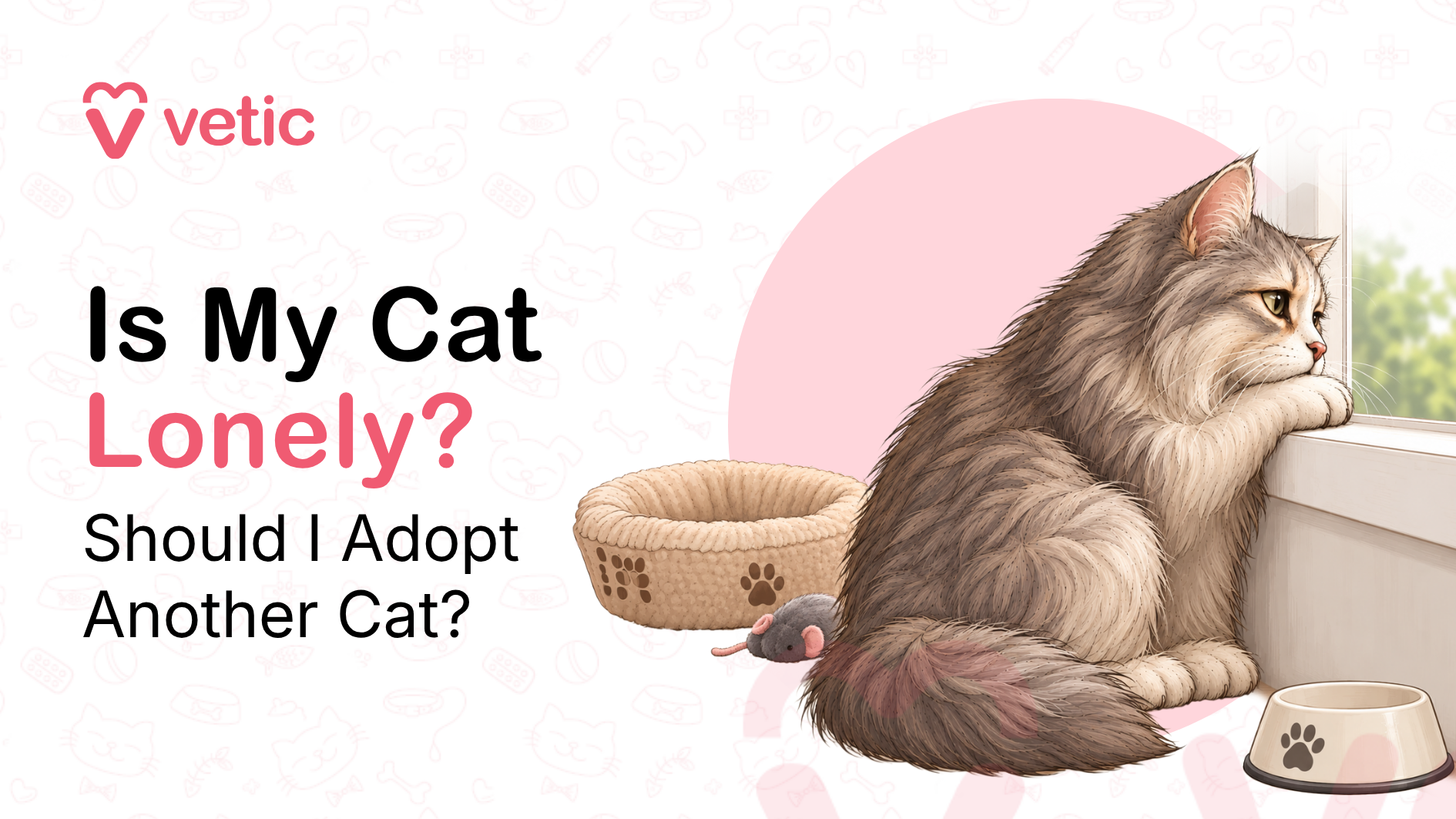
Do Cats Get Lonely When Left Alone?
Some cats may show signs of distress, boredom, or frustration when left alone for long periods, although individual cats differ greatly in how much social interaction they need. While cats are often seen as solitary animals, they are naturally quite social in the right circumstances, and many form strong attachments to their pet parents and to other cats they’ve grown up with.
A cat left alone for extended periods without enrichment or company may show behavioural changes that reflect boredom, understimulation, or genuine loneliness rather than simple independence.
How Do I Know if My Cat Is Lonely?
Loneliness in cats rarely looks dramatic. It often shows up as small, gradual shifts in everyday behaviour that are easy to miss unless you know what to watch for.
Clinginess and Attention-Seeking in Cats
A cat who suddenly wants to be underfoot constantly, follows you room to room, or paws at you for attention may be signalling that they want more company than they’re currently getting.
Overgrooming and Stress Behaviours
Cats may overgroom when they are stressed, anxious, uncomfortable, or experiencing certain skin problems. Changes in grooming should therefore not automatically be attributed to loneliness. This can also indicate a skin or allergy issue, so it’s worth a vet check either way.
Excessive Meowing or Night-time Vocalising
A normally quiet cat becoming unusually vocal, especially at night, may be seeking interaction, feeling unsettled, or bored, but you should also consider medical and other behavioural causes.
Litter Box or Destructive Changes
These behaviours can occur with stress or frustration, but they can also signal urinary disease, gastrointestinal problems, pain, or other medical issues. Don’t assume loneliness is the cause without first ruling out medical issues.
Withdrawal, Sleeping More, or Low Play
Some lonely cats go the other way and become withdrawn, sleeping more than usual and showing little interest in toys or play they once enjoyed.
Is It Loneliness or a Medical Issue?
Many of the behaviours above (appetite, litter box habits, grooming, or vocalising) can also point to pain, thyroid changes, urinary issues, or other medical conditions. Because these overlaps are so common, the safest first step when you notice a behaviour change is a visit to your expert feline vet, so they can rule out medical causes before loneliness is treated as the explanation.
Which Cats May Struggle More When Left Alone?
Some cats are simply more prone to loneliness than others, largely based on their personality, history, and current environment.
Kittens and Bonded Littermates
Kittens and cats that have formed strong bonds with another animal may show more noticeable behavioural changes after separation. However, this does not mean every cat needs another feline companion.
Indoor Cats with Little Stimulation
Indoor-only cats depend entirely on their environment and pet parent for stimulation. Without enough enrichment, boredom can easily be mistaken for, or even become, loneliness.
Social Adult Cats After Routine Changes
A cat who has always enjoyed company may start showing signs of loneliness after a change such as a pet parent’s new work schedule, a house move, or the loss of a companion pet.
Independent Cats That Prefer Living Alone
On the other end of the spectrum, many cats are genuinely content on their own and show no signs of distress when left alone for reasonable periods. Not every cat needs company to be happy.
What Should You Try Before Adopting Another Cat?
Before deciding a second cat is the answer, it’s worth ruling out simpler fixes. A thoughtfully enriched environment is essential for a cat’s mental and physical well-being, and often resolves what looks like loneliness.
Better Play and Hunting Routines
Short, frequent play sessions that mimic hunting, think wand toys and chase games, help burn energy and satisfy natural instincts.
More Territory, Perches and Hiding Spots
Vertical space, window perches, and quiet hiding spots give a cat more to explore and more control over their environment, which can ease restlessness.
Enrichment While You’re Away
Puzzle feeders, rotating toys, and window access to birds or activity outside can keep a cat occupied and less focused on your absence.
Predictable Daily Routines
Cats settle better with consistency. Keeping feeding, play, and rest times predictable can meaningfully reduce stress-related behaviours.
Should You Adopt a Second Cat?
If you’ve tried enrichment and routine changes and your cat still seems unsettled, a companion is worth considering, but it isn’t the right answer for every cat.
Signs a Companion Could Help
A young, social cat who actively seeks out interaction, was raised with other cats, or shows sustained loneliness despite enrichment may genuinely benefit from feline company.
Why Another Cat Is Not Always the Answer
Cats don’t automatically seek out companionship the way dogs do. A poorly matched introduction can add stress rather than relieve it, so this decision deserves real thought.
Why Some Cats Reject New Companions
Territorial instincts run deep in cats. A resident cat may see a newcomer as competition for resources rather than a friend, particularly if the introduction happens too quickly.
Why Adolescent or Adult Cats May Not Accept a New Cat
Cats with little previous experience living with other cats may need more time to adjust to a newcomer. However, adult cats can still learn to tolerate or form positive relationships with another cat when introductions are handled carefully.
How Can You Introduce a New Cat Successfully?
If you do decide to adopt, how you introduce the cats matters just as much as the decision itself.
Choose Temperament Over Age
A calm, sociable temperament is a better predictor of a successful match than simply picking a kitten or a similarly aged cat.
Slow, Separate Introductions
Start with separate spaces and scent swapping before any visual contact, and move to supervised meetings only once both cats seem calm, not fearful or tense.
Provide Enough Space and Resources for Both Cats
Provide multiple, separated resources so neither cat has to compete for food, water, litter boxes, resting areas, hiding places, or access to preferred spaces. For litter boxes, a commonly recommended starting point is one box per cat plus one extra.
When Should You Speak to a Veterinarian?
If your cat’s behaviour changes suddenly, persists for more than a couple of weeks, or comes with signs like appetite changes, vomiting, or weight loss, it’s time to speak to a vet rather than waiting it out.
A vet can help rule out medical causes and guide you on whether enrichment, routine changes, or a second cat make sense for your household. If you’re noticing these signs, a vet can take a closer look; book a consultation at your nearest pet clinic.
Conclusion: About Cat Loneliness
Cat loneliness is real for some cats, but it isn’t universal, and it’s rarely the first explanation to reach for. Start by ruling out medical causes with your vet by booking a consultation with Vetic, then try enrichment and routine before deciding a second cat is the fix. If you do adopt, a slow, thoughtful introduction gives both cats the best chance at a peaceful home.
FAQs: About Cat Loneliness
Can a Single Cat Be Perfectly Happy?
Yes. Many cats are naturally independent and thrive as the only pet, especially with enough play, enrichment, and attention from their pet parent.
How Long Can Cats Stay Home Alone Comfortably?
Most healthy adult cats manage well for a typical workday if their needs are met, though kittens and cats with health conditions may need more frequent check-ins. Ask your vet for guidance specific to your cat.
Do House Cats Get Lonely?
Indoor cats can get lonely or bored more easily than cats with outdoor access, simply because their environment is smaller and less varied, making enrichment especially important.
Is Getting Two Kittens Easier Than Adding One Adult Cat?
Generally, yes. Kittens raised together tend to bond more easily than introducing an adult cat to an established household, though every pairing is individual.
Will My Cat Feel Betrayed if I Bring Home Another Cat?
Cats don’t experience betrayal the way people do, but a rushed introduction can cause real stress. A slow, structured introduction helps your resident cat feel secure rather than threatened.
Can a Cat Be Lonely Even if They Ignore Me?
Yes. Some cats show loneliness through withdrawal rather than clinginess, so a cat that seems aloof isn’t necessarily content; it’s worth watching their overall behaviour and energy levels.
References
American Animal Hospital Association & American Association of Feline Practitioners. (2021). Behaviour and environmental needs. In 2021 AAHA/AAFP feline life stage guidelines. AAHA. https://www.aaha.org/resources/2021-aaha-aafp-feline-life-stage-guidelines/behavior-and-environmental-needs/
Landsberg, G. M. (2018, May). Behaviour problems in cats. MSD Veterinary Manual. https://www.msdvetmanual.com/cat-owners/behavior-of-cats/behavior-problems-in-cats
Landsberg, G. M. (2018, May). Normal social behaviour in cats. MSD Veterinary Manual. https://www.msdvetmanual.com/cat-owners/behavior-of-cats/normal-social-behavior-in-cats