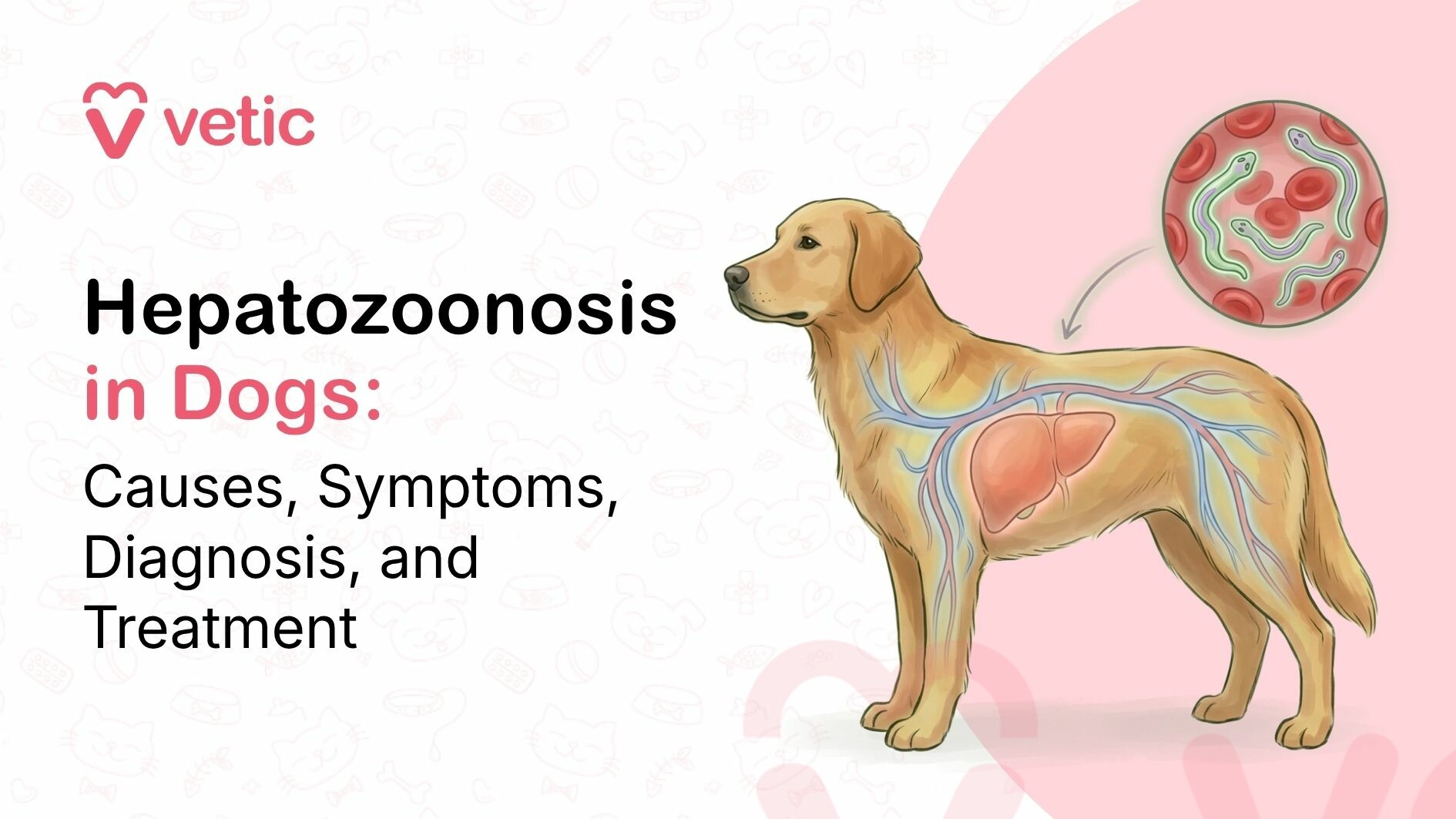
What Is Hepatozoonosis in Dogs?
Hepatozoonosis is a parasitic disease caused by the protozoan Hepatozoon. Canine hepatozoonosis is caused by Hepatozoon canis and is transmitted mainly by the brown dog tick (Rhipicephalus sanguineus). A second species, Hepatozoon americanum, causes much more severe disease.
Hepatozoon canis vs Hepatozoon americanum
Hepatozoon canis infection is generally milder. Most immunocompetent dogs carry low-level infection without serious illness. Hepatozoon americanum causes bone proliferation, severe muscle pain, and marked wasting. Outside the United States, H. canis is the species vets and pet parents in India need to know.
How Do Dogs Get Hepatozoonosis?
Unlike most tick-borne illnesses, hepatozoonosis is not spread by a tick bite. A dog must ingest an infected tick to contract it.
Swallowing an infected tick
Dogs most often swallow ticks while grooming themselves or licking another dog. Eating prey or carrion already infected with Hepatozoon is a less common but possible route. If your dog swallowed a tick, even briefly, there is a small risk that the tick was infected. Not every tick carries the parasite, and not every exposure leads to illness.
Do not try to induce vomiting in dogs. Hepatozoon oocysts are microscopic, and bringing the tick back up does not prevent infection.
What Are the Symptoms of Hepatozoonosis in Dogs?
Hepatozoon canis symptoms depend heavily on the dog’s immune status. Many infected dogs show no signs at all.
Early signs vs symptoms needing urgent care
Hepatozoonosis in dogs typically presents with symptoms including fever, lethargy, weight loss, and muscle pain. You may notice your dog is reluctant to move or seems stiff when getting up. These early signs can be subtle and are easy to miss.
Urgent signs that need prompt veterinary care include severe muscle weakness and an inability to walk normally. Rapid weight loss and extreme lethargy are also concerning. In severe cases, a blood test may show a dramatically elevated white blood cell count.
My Dog Ate a Tick: What Should I Do
If you ever wonder, “Why does my dog eat ticks?” Grooming is instinctive. Removing ticks before your dog has a chance to swallow them is the only reliable protection. But not every tick carries Hepatozoon, and not every exposed dog becomes ill. The risk is real but not inevitable.
When to monitor vs when to call the vet
Monitor at home if your dog appears completely well after eating a tick. Watch for fever, lethargy, or muscle stiffness over the following two to three weeks. If your dog regularly eats ticks or is already showing signs, call your nearest pet doctor rather than waiting.
Keep ticks off your dog going forward and note any changes in energy, appetite, or movement. Early treatment is far easier than managing an advanced infection.
How Is Hepatozoonosis Diagnosed?
Diagnosis usually involves a combination of tests. A standard blood count often shows elevated white blood cells and mild anaemia. A blood smear may reveal gamonts inside white blood cells. PCR testing is the most reliable method for identifying Hepatozoon species. In cases where H. americanum is suspected, a muscle biopsy may also be needed.
How Is Hepatozoonosis Treated?
Treatment for hepatozoonosis in dogs depends on the severity and species involved. A vet will tailor a plan after confirming the diagnosis.
For H. canis, imidocarb dipropionate is commonly used in India, often alongside doxycycline. Some protocols include an additional antiparasitic such as primaquine. Treatment typically lasts several weeks.
Some clinicians may use a combination of clindamycin, doxycycline, imidocarb and trimethoprim-sulfonamide to treat H. canis depending on the patient’s vitals, and present symptoms.
Relapse is possible because Hepatozoon parasites can persist as cysts in tissues. Long-term monitoring with follow-up blood tests is important.
How Can You Prevent Hepatozoonosis?
Preventing hepatozoonosis in dogs starts with strict tick control. The goal is to stop ticks from being ingested. That means treating ticks and removing them before your dog grooms and swallows them.
Tick prevention products and daily habits
Use a vet-approved tick prevention product year-round. Isoxazoline spot-ons or chewables are highly effective at quickly killing ticks. Check your dog for ticks daily, especially after walks in grassy or wooded areas. Remove any ticks you find promptly and carefully.
A vet can recommend the right tick prevention product for your dog’s size and lifestyle.
When Should You Call a Vet?
If your dog develops fever, lethargy, or muscle stiffness after being in a tick-heavy area, call your vet promptly. Hepatozoonosis in dogs should be ruled out, especially if your dog is known to eat ticks. Dogs who have ingested ticks repeatedly or live in tick-heavy environments are at higher risk.
Conclusion: About Hepatozoonosis in Dogs
Hepatozoonosis in dogs is an important tick-borne parasitic disease. Regular tick control remains the most effective strategy for protecting dogs from hepatozoonosis and many other vector-borne diseases.
FAQs: About Hepatozoonosis in Dogs
What is the Drug of Choice for Hepatozoon canis?
Imidocarb dipropionate is the most commonly used drug for Hepatozoon canis in India. It is often combined with doxycycline or other antiparasitic agents.
What is the Prognosis for Hepatozoon canis in Dogs?
The prognosis for H. canis is generally good, particularly in dogs with healthy immune systems.
Is Hepatozoon canis Curable?
Not always. Many dogs achieve clinical remission with treatment, but Hepatozoon cysts can persist in tissues.
How Long Until a Tick Makes a Dog Sick?
After ingesting an infected tick, the incubation period for H. canis is approximately one to four weeks.
Can One Tick Make a Dog Sick?
Theoretically, yes, if that tick was infected with Hepatozoon. But most dogs that eat one tick never develop illness.
References
Allen, K. E. (2022, March 9). Old World Hepatozoonosis and American Canine Hepatozoonosis. MSD Veterinary Manual; MSD Veterinary Manual. https://www.msdvetmanual.com/circulatory-system/blood-parasites/old-world-hepatozoonosis-and-american-canine-hepatozoonosis
Baneth, G. (2015). Canine Hepatozoonosis–Two Different Diseases. VIN. https://www.vin.com/apputil/content/defaultadv1.aspx?meta=Generic&pId=11181&catId=30088&id=3852235
Baneth, G. (2026). Canine and Feline Hepatozoonosis–More Than One Disease [Review of Canine and Feline Hepatozoonosis–More Than One Disease]. VIN. https://www.vin.com/apputil/content/defaultadv1.aspx?id=3860751&pid=11242