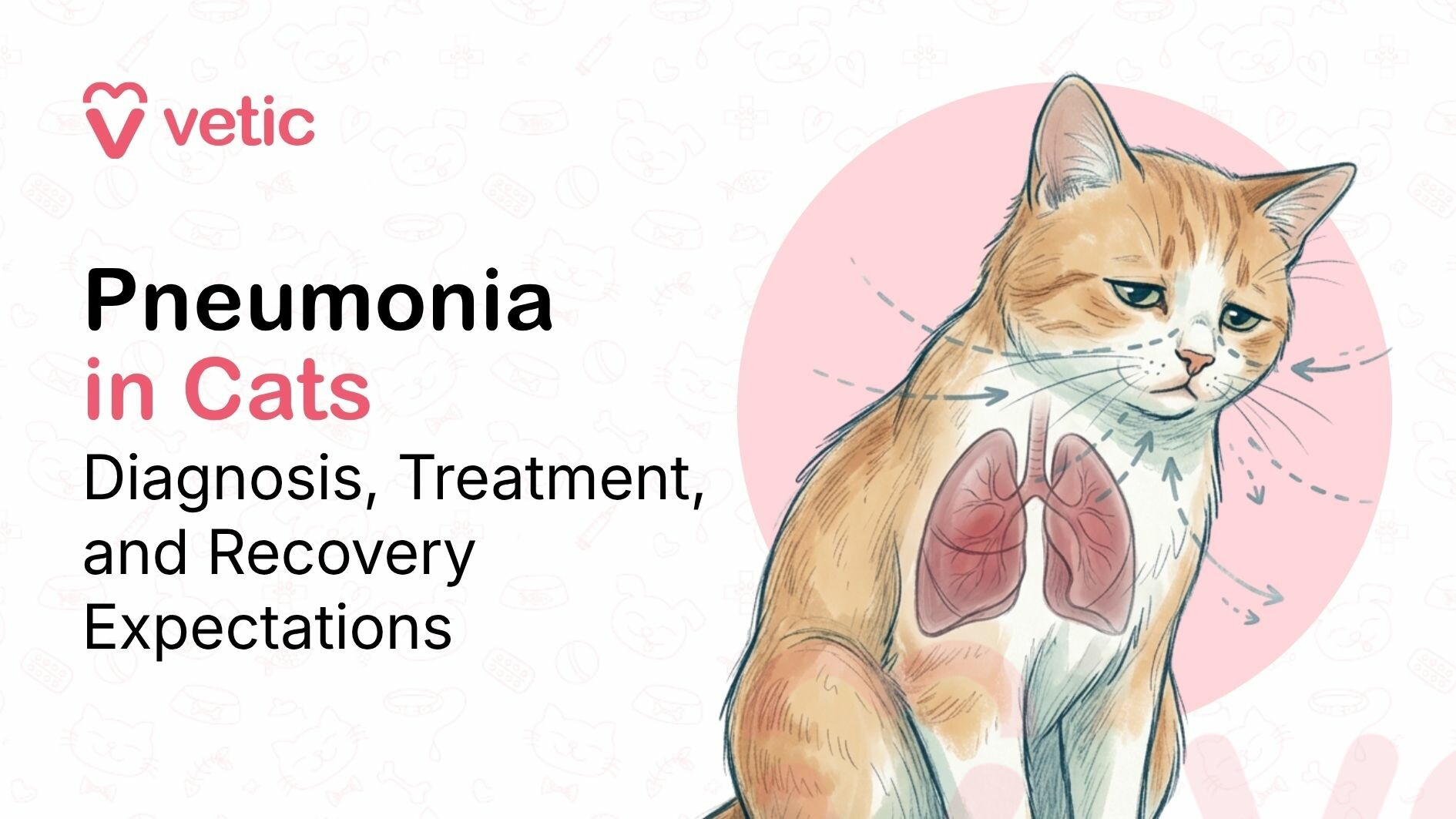
When is Cat Pneumonia an Emergency?
Always treat pneumonia in cats as urgent, and in some cases as a true emergency. A cat who is breathing rapidly, breathing with an open mouth, showing bluish or grey gums, or becoming extremely weak should be brought to a pet clinic immediately. These signs can indicate severely impaired oxygenation, so prompt treatment is important. If your cat’s breathing looks laboured or effortful even at rest, don’t wait to see if it improves on its own; seek emergency veterinary care right away. Vetic’s 24/7 emergency care is available for cats that need urgent assessment and treatment.
What are the Symptoms of Pneumonia in Cats?
The symptoms of pneumonia in cats can build up gradually or appear suddenly, depending on the cause. Most pet parents first notice faster or more laboured breathing, lethargy, reduced appetite, and sometimes coughing. Some cats develop a mild fever, nasal discharge, or a hunched, reluctant-to-move posture. Because cats are naturally good at masking discomfort, even subtle changes in energy or breathing pattern are worth a vet visit.
Early Signs of Cat Pneumonia Pet Parents Often Miss
Before the more obvious signs set in, a cat with early pneumonia may simply seem quieter than usual, groom less, or skip a meal or two. Some cats breathe slightly faster while resting or sleeping, which is easy to miss unless you’re watching closely. An occasional cough or change in breathing that pet parents mistake for a hairball is another early clue that’s frequently overlooked.
What Causes Pneumonia in Cats?
Pneumonia in cats can develop from several starting points, which is why vets always look for an underlying cause rather than treating the cough alone. Some viral infections can contribute to respiratory disease and may predispose the lungs to secondary bacterial infection.
Infections, Aspiration, and Fungal Disease
Bacteria such as Bordetella and Mycoplasma, and parasites like lungworms, can also cause lower respiratory disease and pneumonia in cats. Aspiration pneumonia develops when food, vomit, or liquid medicine is inhaled into the lungs instead of swallowed; it can occur after vomiting, swallowing problems, or improperly administered liquid medication. Fungal pneumonia, caused by organisms such as Cryptococcus, is less common but can affect cats with or without an obvious immune problem and usually needs a longer course of treatment.
How do Vets Diagnose Pneumonia in Cats?
Diagnosing cat pneumonia starts with a detailed history and a full physical exam, where your vet listens closely to the lungs and checks breathing rate, gum colour, and general alertness.
X-Rays, Bloodwork, and Oxygen Checks
Chest X-rays commonly support a pneumonia diagnosis because they show the pattern and extent of lung involvement. Bloodwork helps identify inflammation, infection, and other abnormalities, while oxygen levels may be checked with a pulse oximeter in cats showing breathing difficulty. In select cases, your vet may recommend an airway wash to identify the organism involved, which can help guide antibiotic treatment.
Can Every Cat Recover From Pneumonia?
Many cats with pneumonia recover well when caught early and treated appropriately, especially when the underlying cause can be controlled. Aspiration pneumonia and fungal pneumonia can have a more guarded outlook, since they may need longer, more intensive treatment and closer monitoring. The severity of lung disease and the underlying cause strongly influence outcomes, so don’t wait out a persistent cough or unusual breathing pattern.
What is the Treatment for Cat Pneumonia?
Treatment for pneumonia in cats focuses on supporting breathing and addressing the underlying cause. Cats with low oxygen levels may need supplemental oxygen and a warm, calm recovery space, while fluids help keep them hydrated if appetite has dropped.
Medications Based on the Type of Pneumonia
Bacterial pneumonia is usually treated with antibiotics chosen based on the suspected or confirmed bacteria, while fungal pneumonia requires antifungal medication for weeks to months after symptoms resolve. Bronchodilators may be added to ease breathing in some cases. Your expert feline vet will tailor the exact plan to what’s actually causing your cat’s pneumonia, so avoid giving any leftover or human medication at home.
How Can You Help Prevent Pneumonia in Cats?
Not all cases of pneumonia can be prevented, but some steps can reduce the risk:
- Keep vaccinations up to date: Vaccination against common feline respiratory infections can reduce the risk of illnesses that may lead to pneumonia.
- Give liquid medicines correctly: Follow your veterinarian’s instructions for administering liquid medication. Giving liquid too quickly or directing it toward the back of the throat can increase the risk of aspiration.
- Treat respiratory infections early: If your cat develops signs of an upper respiratory infection, such as sneezing, nasal discharge, or reduced appetite, have them assessed by a veterinarian, especially if symptoms worsen or breathing becomes difficult.
What is Recovery Like After Pneumonia?
Recovery from cat pneumonia varies with severity, but many cats show noticeable improvement within several days to two weeks of starting treatment, with full recovery sometimes taking several weeks depending on how extensive the lung involvement was. Your vet may want follow-up visits, including repeat chest X-rays, to confirm the lungs are clearing properly.
Signs Your Cat is Improving at Home
- Breathing becomes quieter and less effortful.
- Appetite and energy levels start returning to normal.
- Coughing becomes less frequent if your cat was coughing.
- Your cat grooms and interacts more like usual.
How do You Care for a Cat With Pneumonia at Home?
Once your vet feels your cat is stable enough to recover at home, keep them in a warm, draft-free room with minimal stress and easy access to food, water, and a litter box. Give every dose of medication exactly as prescribed, even after your cat starts looking better, since stopping early can allow some infections to persist or return.
When to Call the Vet Again
- Breathing becomes faster or more laboured again.
- Your cat stops eating, becomes increasingly lethargic, or cannot keep food down.
- Gums look pale, bluish, or greyish.
- Fever, lethargy, or coughing worsens instead of improving.
How Much Does Cat Pneumonia Treatment Cost?
There is no fixed cost for treating pneumonia in cats. The total can vary widely depending on how sick your cat is and whether they need diagnostic tests, hospitalisation, oxygen therapy, or longer-term medication. Your veterinarian can provide a more accurate estimate after assessing your cat’s condition.
Conclusion: About Pneumonia in Cats
Pneumonia in cats is serious but highly treatable when caught early. Watching for changes in breathing, energy, and appetite, and acting on them quickly rather than waiting, makes the biggest difference to how smoothly your cat recovers. If your cat is coughing, breathing differently, or simply not themselves, a vet can take a closer look and guide you through the right next steps. Book a consultation at your nearest pet clinic to get your cat checked without delay.
FAQs: About Pneumonia in Cats
Can a cat fully recover from pneumonia?
Yes, most cats recover fully from pneumonia with timely veterinary treatment, especially when the cause is viral or bacterial, and care starts early.
How much does it cost to treat a cat with pneumonia?
Cost varies with severity, the diagnostics needed, and whether hospitalisation or oxygen support is required, so your vet can confirm it directly.
What are the first signs of pneumonia in cats?
Early signs often include a soft cough, faster breathing at rest, reduced appetite, and lower energy or reluctance to play.
How do I know if my cat has pneumonia?
Only a vet can confirm pneumonia in cats, usually through a physical exam and chest X-rays, so check any breathing changes or persistent cough promptly.
References
Kuehn, N. F. (2024). Pneumonia in cats. MSD Veterinary Manual. https://www.msdvetmanual.com/cat-owners/lung-and-airway-disorders-of-cats/pneumonia-in-cats
MacDonald, E. S., Norris, C. R., Berghaus, R. B., & Griffey, S. M. (2003). Clinicopathologic and radiographic features and etiologic agents in cats with histologically confirmed infectious pneumonia: 39 cases (1991–2000). Journal of the American Veterinary Medical Association, 223(8), 1142–1150. https://pubmed.ncbi.nlm.nih.gov/14584744/