Grooming your dog is not just about appearance. It is an essential part of their overall health and well-being. From maintaining a clean coat to preventing infections and discomfort, regular grooming helps your dog stay happy, comfortable, and active.
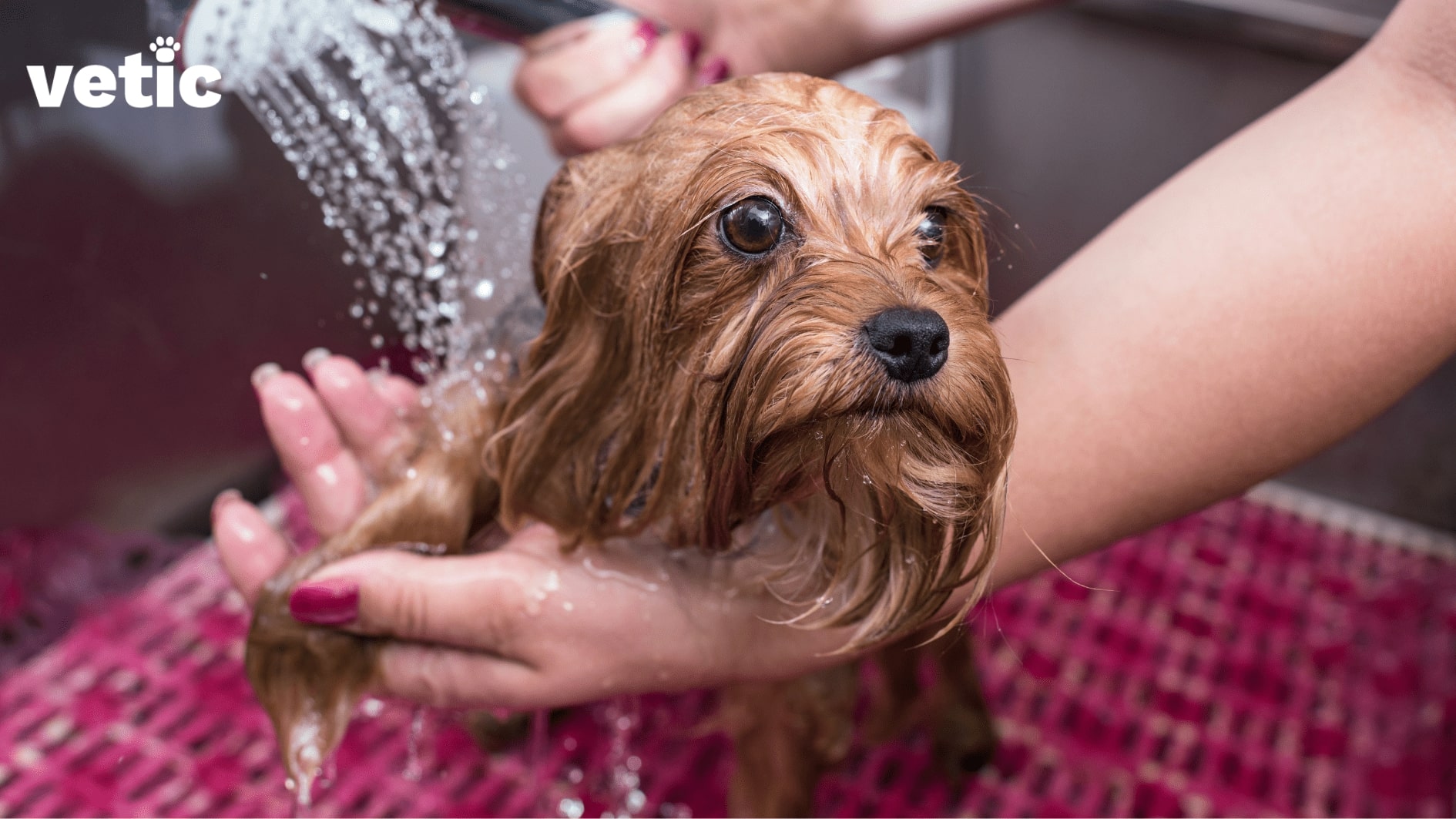
Many pet parents wait until their dog starts smelling or looking untidy before grooming them. But the truth is, grooming works best as a preventive routine not a last-minute fix.
Why Regular Dog Grooming Should Be Part of Your Dog’s Daily Care Routine
Dogs rely on their parents for hygiene. While they may lick themselves or roll around to clean up, it is not enough to maintain proper health.
Regular grooming helps you stay one step ahead. It allows you to notice small changes like skin irritation, unusual lumps, or parasites before they turn into bigger problems. It also reduces odour, improves coat quality, and keeps your dog comfortable in all seasons.
Over time, grooming also becomes a bonding activity. Dogs that are groomed regularly tend to be calmer and more used to handling.
1. Removing Excess Fur Through Regular Brushing to Maintain a Healthy Coat
Shedding is completely normal in dogs. However, when loose fur is not removed, it can get trapped and form knots. This not only makes your dog uncomfortable but can also lead to skin irritation.
Regular brushing keeps the coat clean and breathable. It also helps distribute natural oils, which gives the coat a healthy shine.
For dogs with long or double coats, brushing becomes even more important especially during shedding seasons when hair fall increases significantly.
Brushing regularly helps to:
- Remove loose and dead hair
- Prevent tangles and matting
- Reduce shedding around the house
2. Brushing Your Dog’s Teeth Regularly to Prevent Dental Disease and Bad Breath
Dental care is one of the most overlooked parts of grooming, yet it has a major impact on your dog’s health.
Without proper care, food particles and bacteria build up on the teeth, forming plaque and tartar. Over time, this can lead to gum disease, bad breath, and even tooth loss.
Daily brushing is ideal, but even a few times a week can make a difference. Starting early helps your dog get used to the process.
Breeds with shorter snouts, like pugs and bulldogs, are more prone to dental issues and need extra attention.
3. Bathing Your Dog Properly to Remove Dirt, Odor, and Maintain Skin Health
Bathing plays an important role in keeping your dog clean, but it should be done in moderation.
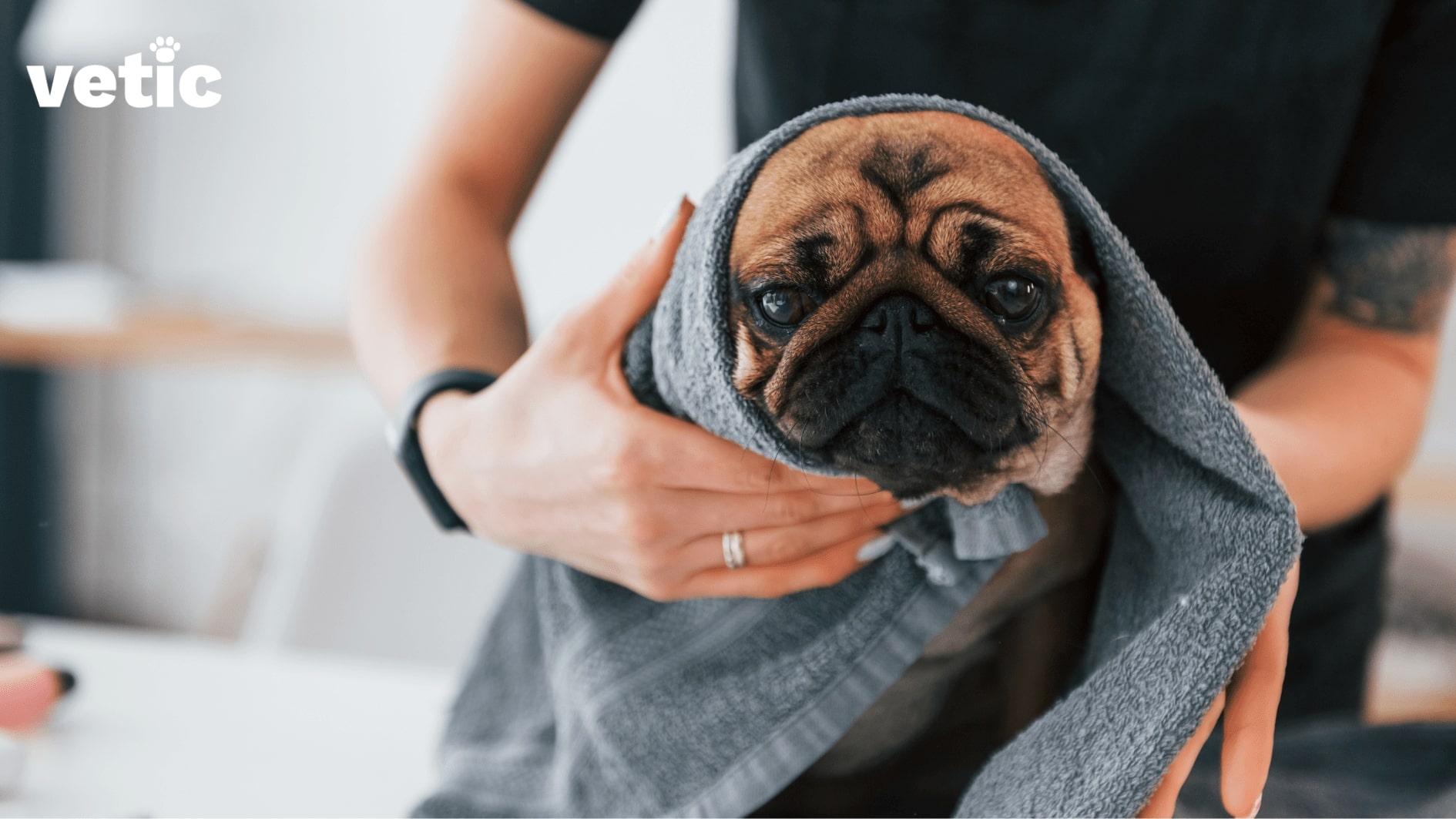
Too frequent bathing can strip natural oils from the skin, while infrequent bathing can lead to dirt buildup and odour. The right balance depends on your dog’s lifestyle and coat type.
Always use dog-specific shampoo, as human products can disrupt the skin’s natural balance.
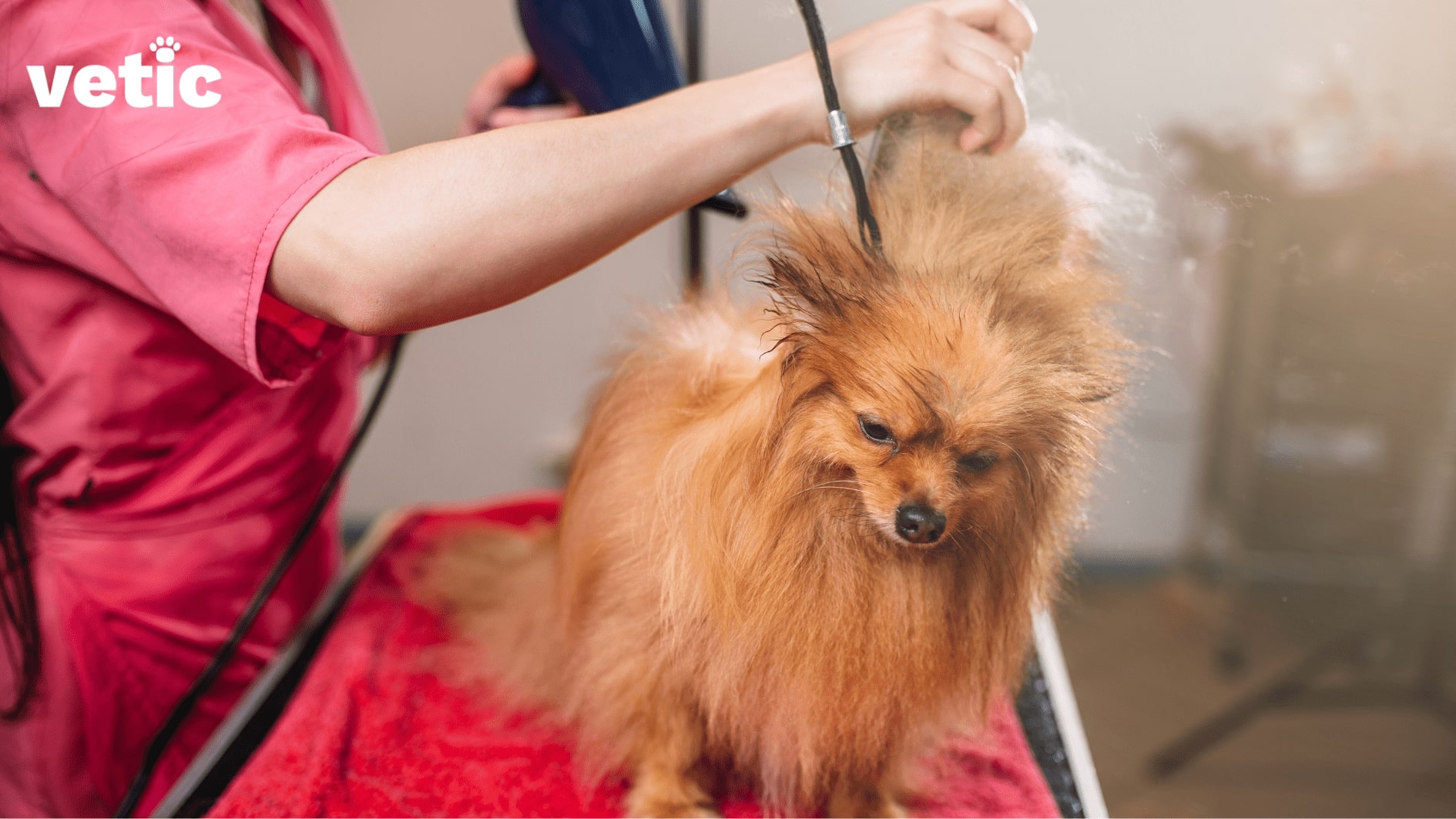
After a bath, drying is just as important. Damp fur can trap moisture and create the perfect environment for infections, especially in areas like under the legs and around the tail.
4. Trimming Your Dog’s Nails to Prevent Pain, Injury, and Posture Problems
Nail care is often ignored until it becomes a problem. But overgrown nails can affect how your dog walks and even lead to posture issues over time.
A simple way to know it’s time for a trim is the sound if you hear nails clicking on the floor, they are too long.
Long nails are also more likely to break, which can be painful and difficult to manage.
Using a good-quality clipper and trimming carefully helps keep your dog comfortable and mobile.
5. Cleaning Your Dog’s Face, Eyes, and Rear Area for Better Hygiene
Certain areas of your dog’s body need more frequent attention than others.
The face, especially around the eyes, can develop tear stains if not cleaned regularly. These stains can lead to skin irritation if ignored.
Similarly, the rear area needs proper hygiene. Anal glands, in particular, require periodic attention. When not managed, they can become clogged and uncomfortable for your dog.
Keeping these areas clean ensures your dog stays fresh and free from avoidable infections.
Common Challenges Pet Owners Face When Grooming Dogs at Home
While grooming sounds simple in theory, it can be quite challenging in practice.
Many dogs are restless, anxious, or simply unwilling to sit still. Puppies may treat grooming tools like toys, while senior dogs may have physical limitations that make grooming uncomfortable.
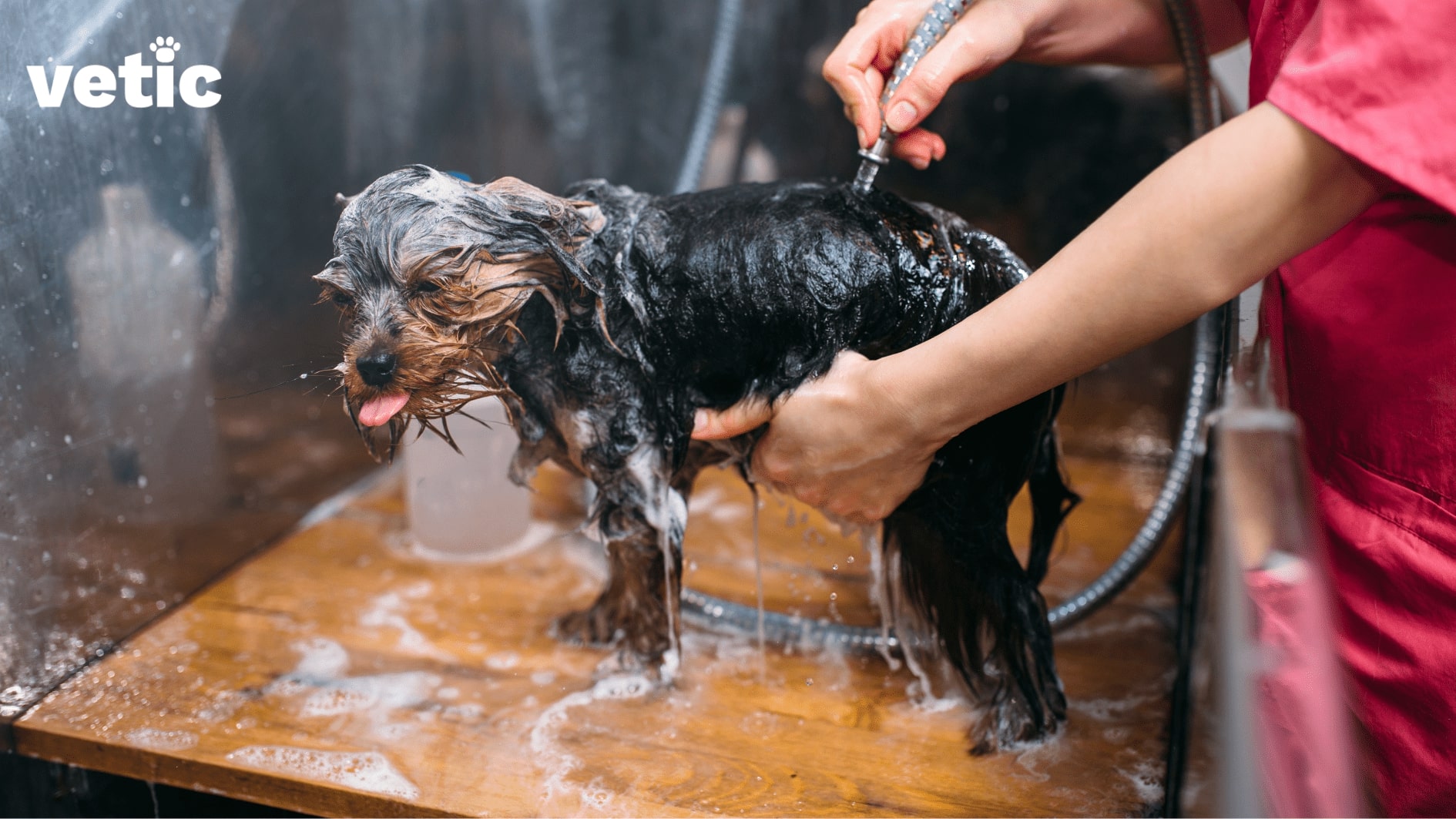
On top of that, managing brushing, bathing, nail trimming, and hygiene care all at once can feel overwhelming especially if you are doing it alone.
This is where many pet parents start considering professional grooming for their dogs.
4 Reasons to Choose Professional Dog Grooming Services for Better Pet Care
Professional grooming is not just about convenience it can significantly improve the quality of care your dog receives.
1. Professional Groomers Have the Skills and Experience to Handle Different Dog Breeds
Every dog is different. Coat type, behaviour, and grooming needs vary widely.
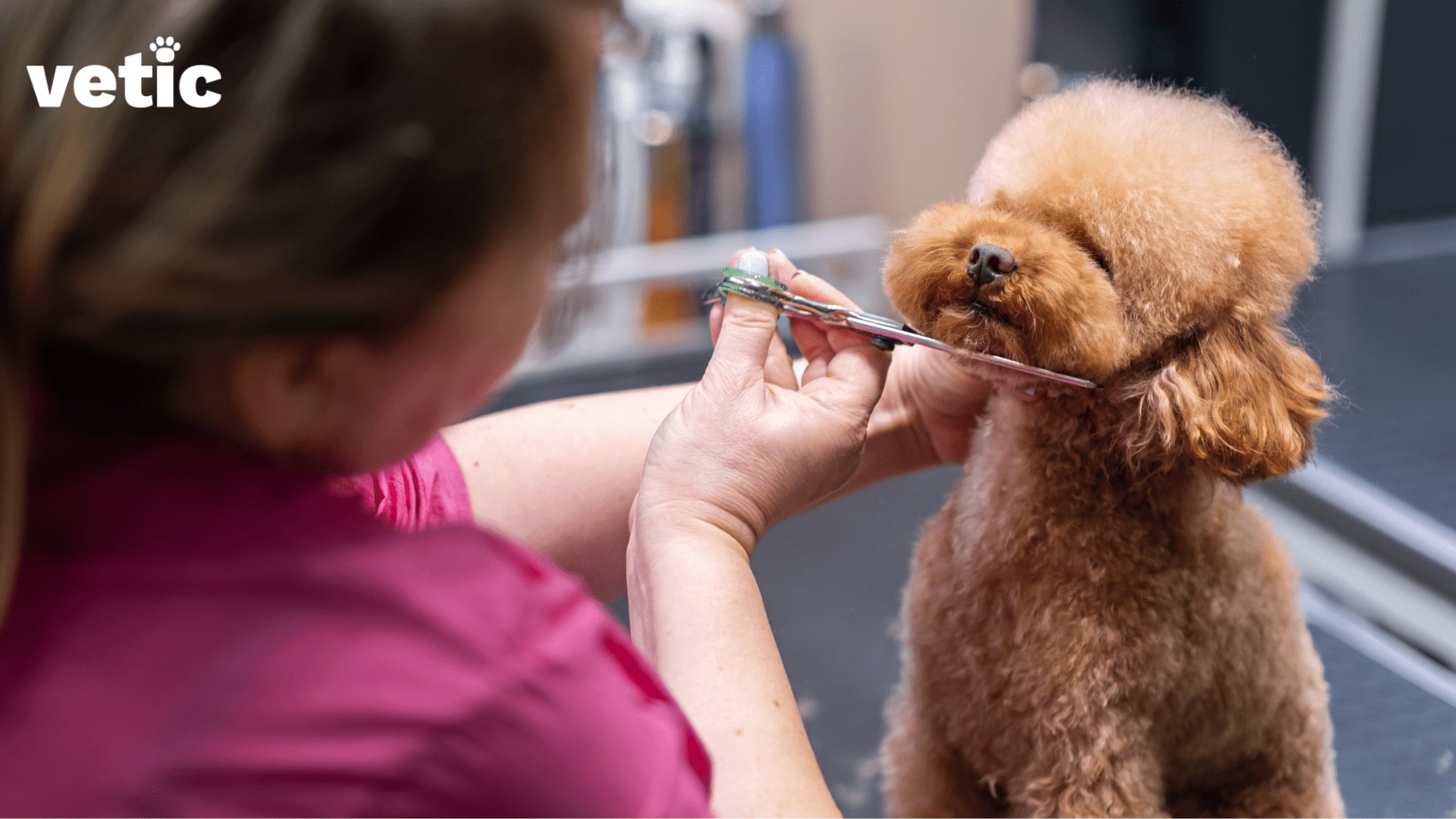
Professional groomers are trained to adapt their techniques based on your dog’s specific requirements, ensuring a safe and effective grooming session.
2. Professional Groomers Perform Full Nose-to-Tail Health Checks During Grooming
Grooming sessions double as health check-ups.
Experienced groomers often spot early signs of:
- Skin infections
- Fleas and ticks
- Rashes or hair loss
This early detection can help you seek timely veterinary care.
3. Professional Groomers Use Specialized Grooming Tools and Safe Techniques
The tools used in professional grooming are designed for precision and safety. From deshedding brushes to low-noise dryers, these tools make the process quicker and less stressful for your dog.
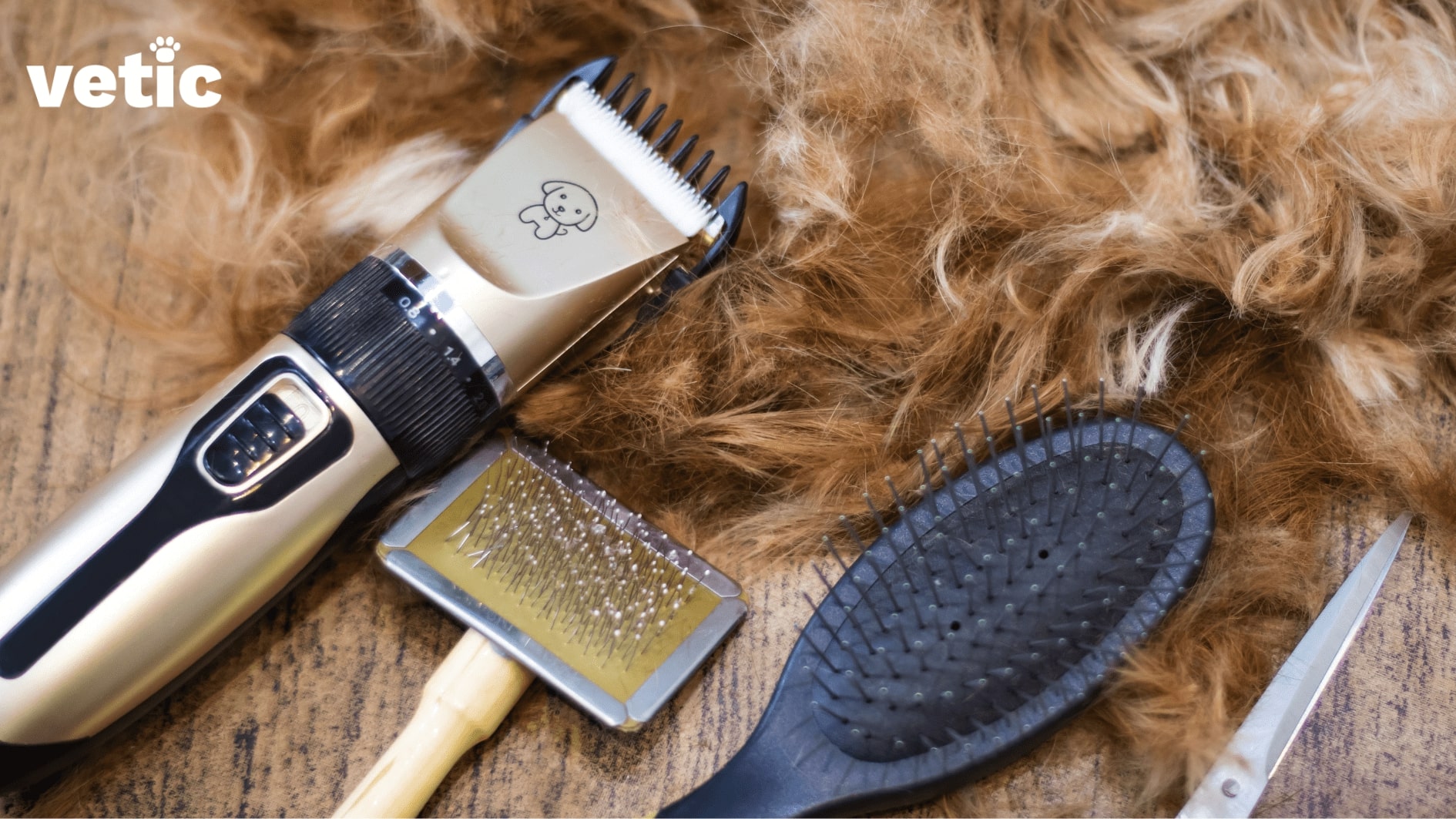
They are also properly cleaned and sanitised, reducing the risk of infections.
4. Professional Groomers Know How to Calm and Safely Handle Nervous Dogs
One of the biggest advantages of professional grooming is handling.
Trained groomers understand dog behaviour and know how to keep them calm during the process. Even dogs that are difficult to groom at home often behave better in a professional setup.
Wrapping Things Up: Why Regular Dog Grooming Is Essential for Your Dog’s Health and Comfort
Grooming is not something you do occasionally, it is an ongoing part of responsible pet care.
By maintaining a regular routine, you can prevent many common issues before they start. Whether it’s brushing, bathing, or nail trimming, each step contributes to your dog’s overall comfort and well-being.
And if grooming at home feels like too much, there is no harm in seeking professional help. What matters most is that your dog stays clean, healthy, and stress-free.
Frequently Asked Questions About Dog Grooming
How do I keep my dog clean between grooming sessions?
Regular brushing, wiping paws after walks, and keeping bedding clean can help maintain hygiene between grooming sessions.
How to Express a Dog’s Anal Glands?
This is best done by a trained professional or veterinarian, as incorrect handling can cause discomfort or injury.
How do I clean tear stains on my dog’s face?
Use a soft, damp cloth or vet-approved wipes to gently clean the area daily.
What type of nail clipper is best for dogs?
A sturdy nail clipper with a safety guard is recommended for safe and controlled trimming.
How do I get my dog used to being groomed at home?
Start slowly, keep sessions short, and reward calm behaviour with treats and praise.
Is professional dog grooming worth the cost in India?
Yes, especially for dogs with thick coats, behavioural challenges, or specific grooming needs.
How do I know if my dog’s anal glands are blocked?
Signs include scooting, licking the rear excessively, or a foul smell.
What dog grooming tasks should never be done at home?
Procedures like anal gland expression (if untrained) and treating infections should be left to professionals.
How do I groom a senior dog with special needs?
Keep grooming gentle, short, and comfortable. Professional grooming is often a safer option.
What should I expect during a professional dog grooming session?
A typical session includes brushing, bathing, drying, nail trimming, and hygiene cleaning.