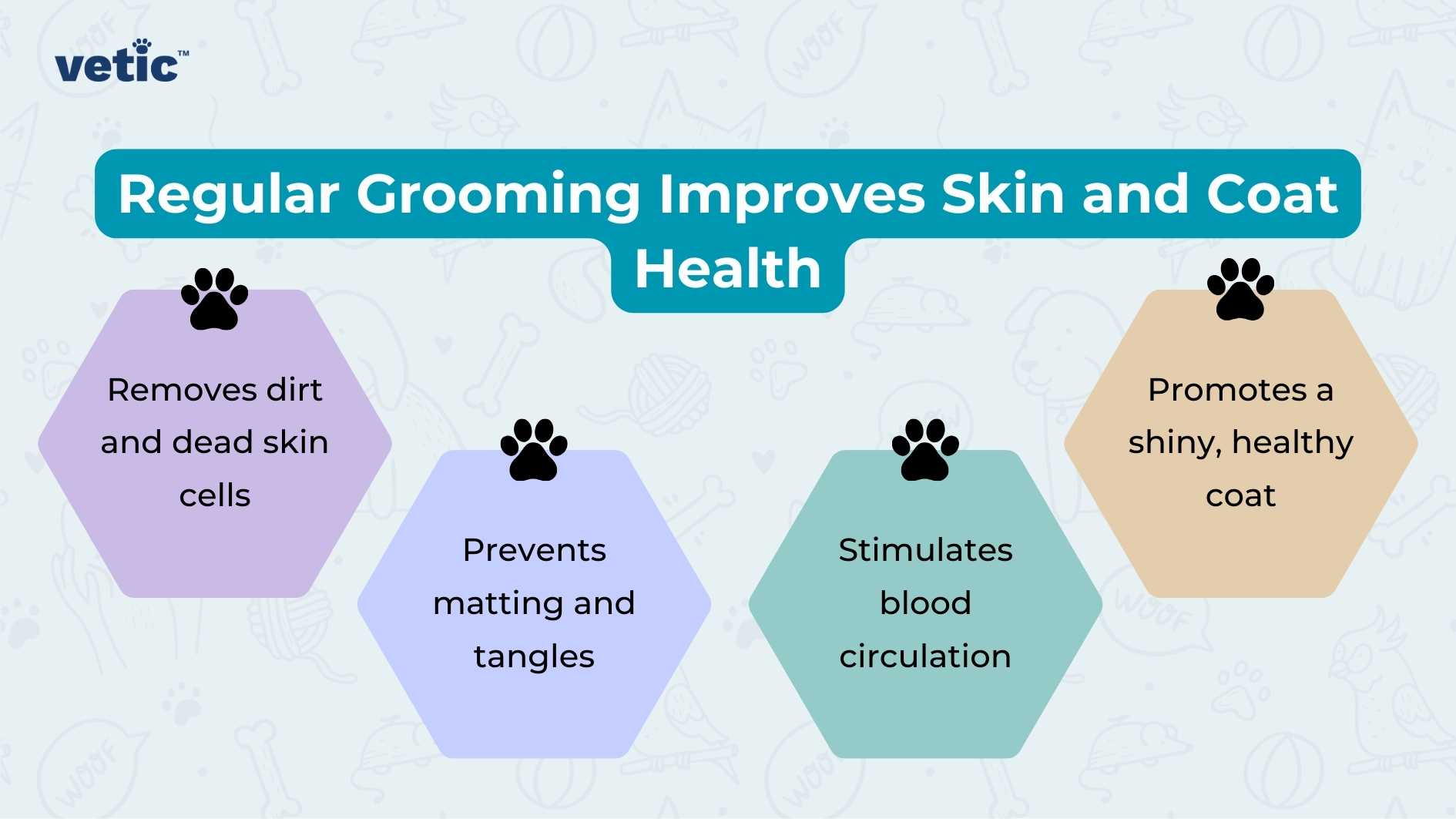
Dog grooming is not just about appearance it plays a critical role in your dog’s overall health, hygiene, and comfort. Many pet parents assume grooming is optional, but in reality, it is a key part of preventive healthcare. Regular grooming helps detect early signs of illness, prevents infections, and keeps your dog physically and mentally comfortable.
Whether you groom your dog at home or rely on professionals, understanding why grooming matters can help you make better decisions for your pet’s long-term well-being.
The Importance of Regular Dog Grooming for Maintaining Overall Health, Hygiene, and Comfort
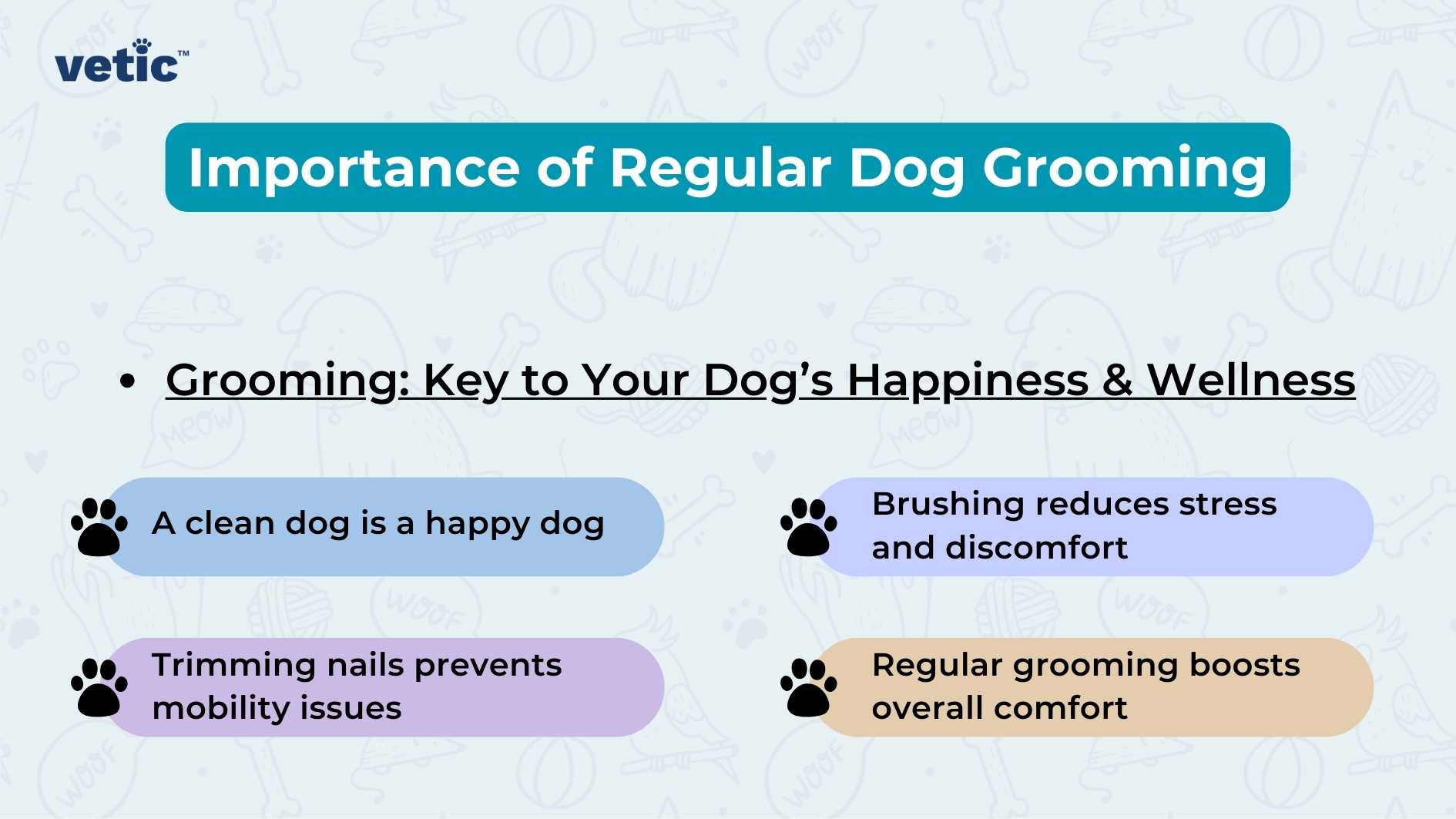
1. Grooming Improves Skin and Coat Health by Removing Dirt, Dead Hair, and Mats
Regular brushing and grooming help remove dirt, loose hair, and dead skin cells from your dog’s coat. This prevents buildup that can clog pores and lead to irritation or infections. Grooming also distributes natural oils across the coat, which keeps the fur shiny and the skin hydrated.
Without regular grooming, mats can form especially in long-haired breeds. These mats trap moisture and bacteria, which can lead to painful skin infections and discomfort.
2. Timely Grooming Helps Prevent Ticks, Fleas, Parasites, and Skin Infections
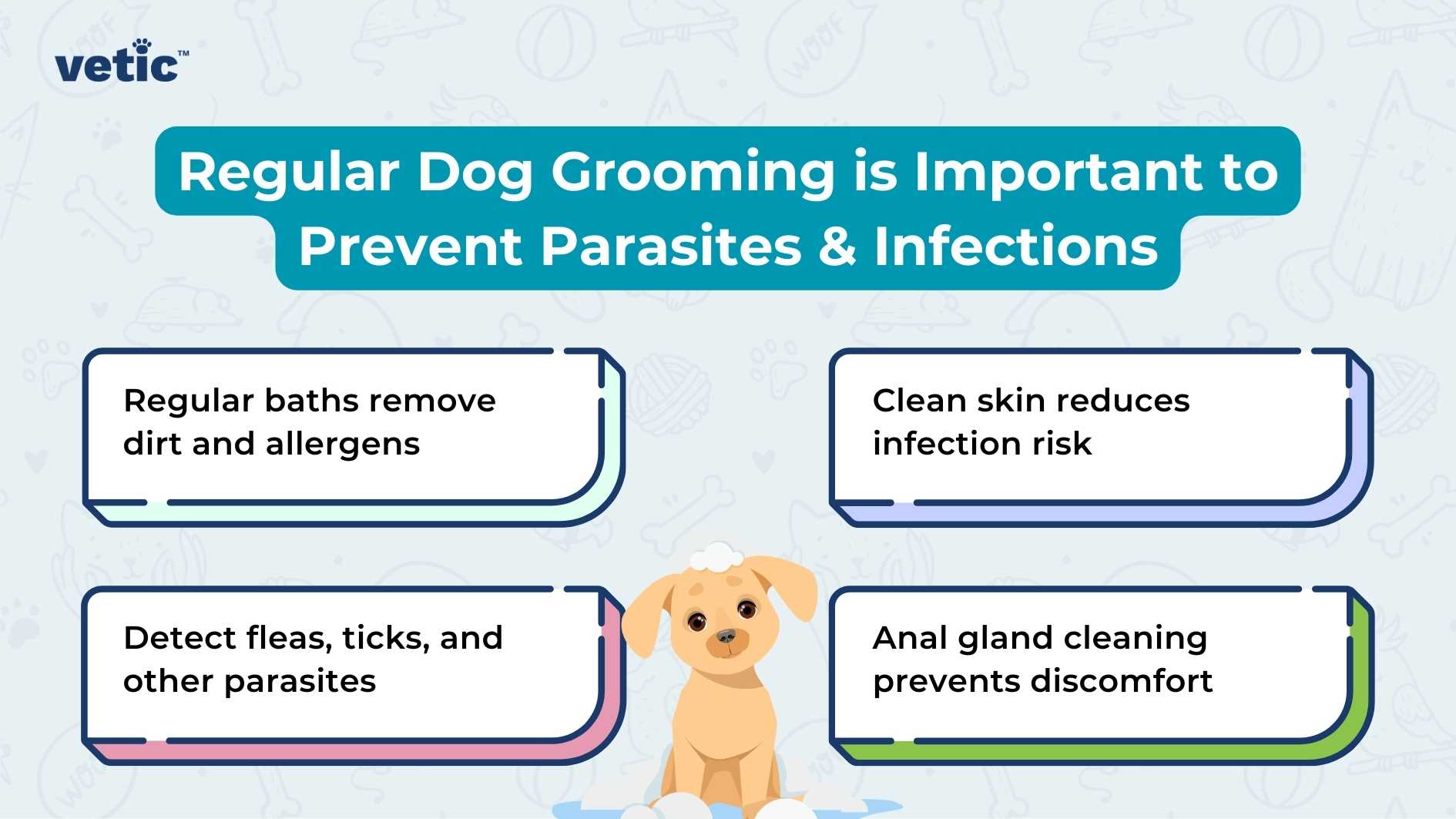
One of the biggest benefits of grooming is parasite control. Regular grooming sessions allow you to check your dog for ticks, fleas, and mites before they become severe infestations.
Cleaning your dog’s coat and skin reduces the chances of bacterial and fungal growth. In India’s climate where heat and humidity are high this becomes even more important, as parasites thrive in such conditions.
3. Regular Dog Grooming Promotes Dental Health
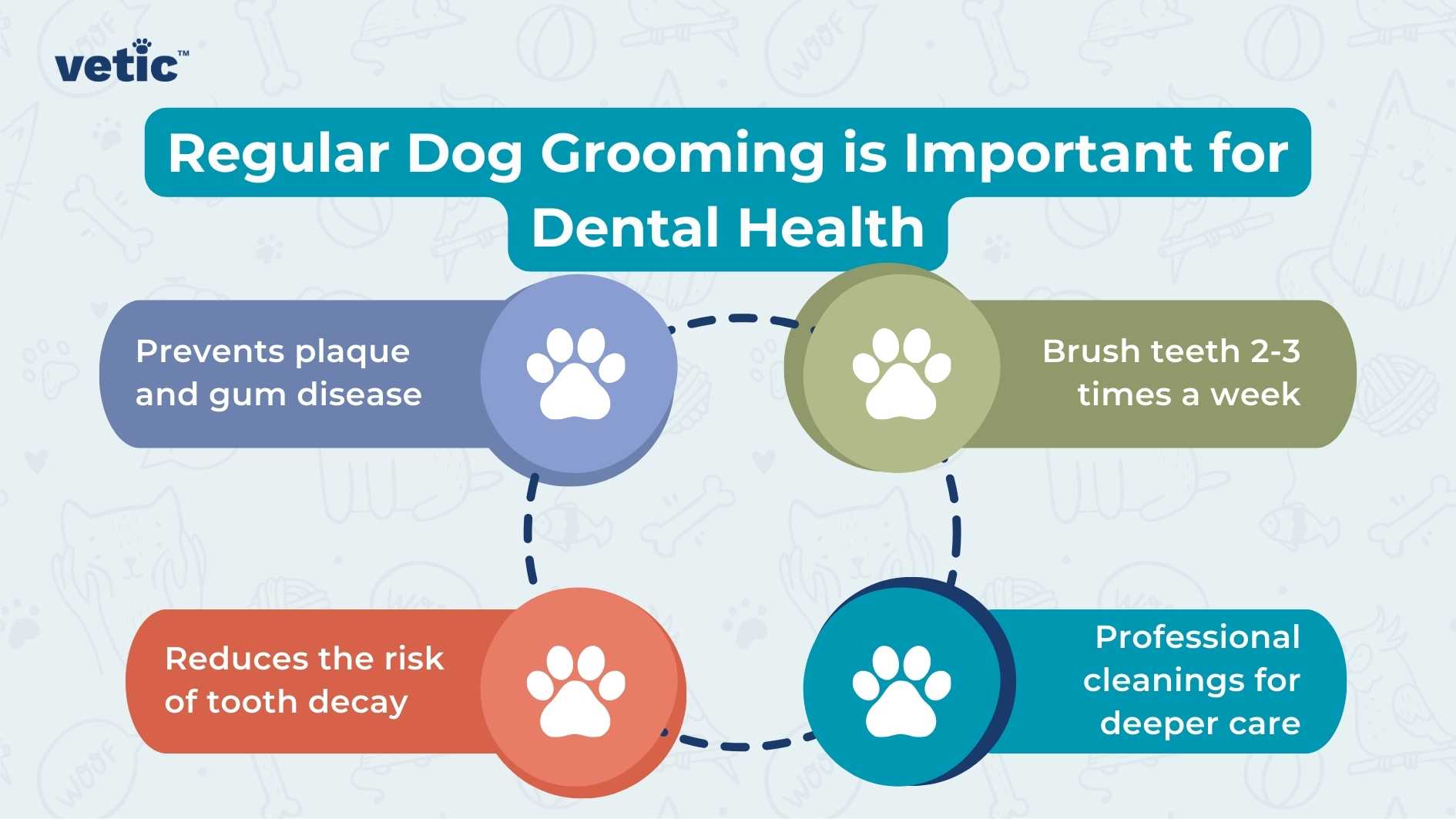
While dental care is often overlooked during grooming discussions, it is an important component of overall hygiene. Many professional grooming sessions include basic oral checks or teeth cleaning support.
Poor dental hygiene can lead to plaque buildup, gum disease, bad breath, and even systemic infections. Regular brushing at home, combined with periodic professional care, helps maintain your dog’s oral health.
4. Regular Grooming Takes Care of Dog’s Nails
Overgrown nails can cause significant discomfort for dogs. When nails become too long, they can affect the way your dog walks, leading to poor posture and joint strain over time.
In severe cases, nails can curl into the paw pads, causing pain and infection. Regular nail trimming ensures your dog can walk comfortably and reduces the risk of injury to both your pet and your furniture.
5. Professional Grooming is Essential for All Dogs
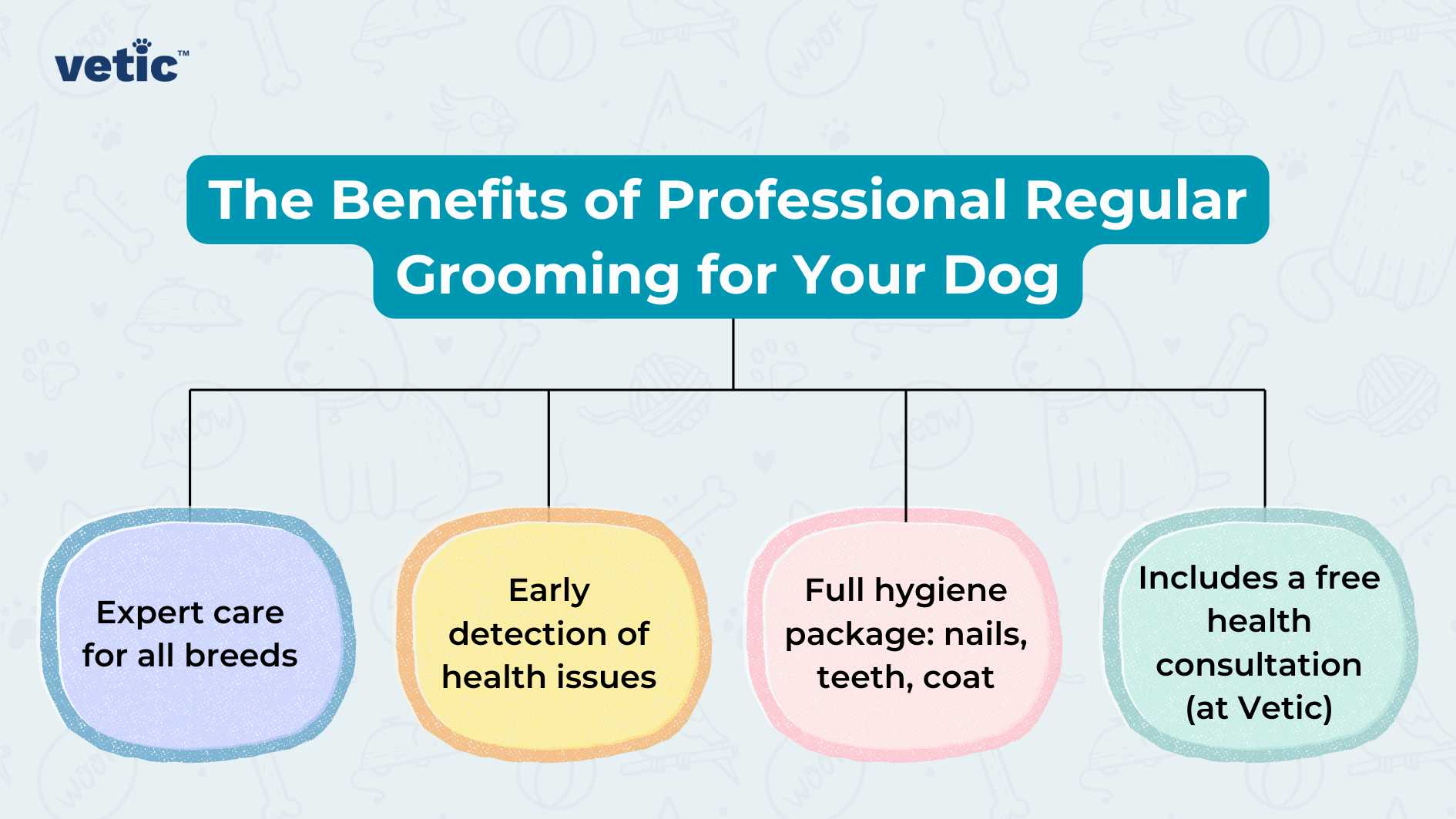
Professional grooming services go beyond basic brushing and bathing. Groomers clean sensitive areas such as ears and paws, which are often prone to infections.
Ear cleaning is especially important because wax buildup and moisture can lead to bacterial or yeast infections. Groomers are trained to identify early signs of such issues and can alert you before they become serious.
Additionally, professional groomers ensure your dog is cleaned, dried, and handled properly, reducing stress and improving overall comfort.
Dog Grooming Frequency: How Often Should Dogs Be Groomed Based on Breed, Coat Type, and Lifestyle?
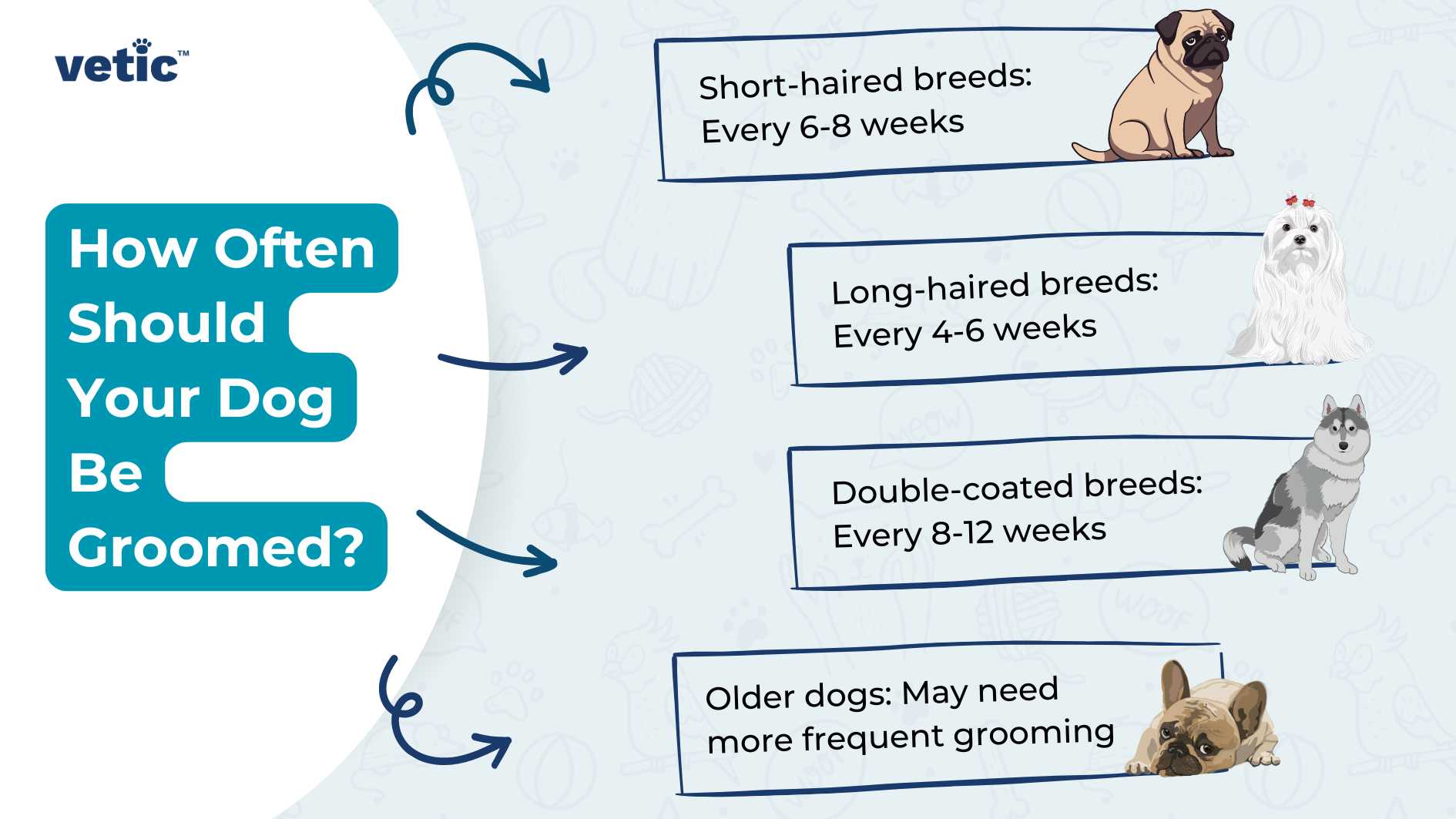
The frequency of grooming depends on your dog’s breed, coat type, and daily environment.
- Short-haired dogs may require grooming every 3–4 weeks with regular brushing at home.
- Long-haired or double-coated breeds need more frequent grooming to prevent matting.
- Dogs that spend time outdoors may need more frequent cleaning due to dirt and parasite exposure.
As a general rule, brushing should be done weekly (or more often), while professional grooming can be scheduled every 4–6 weeks depending on your dog’s needs.
7. Why Choose Professional Grooming Services for Your Dog
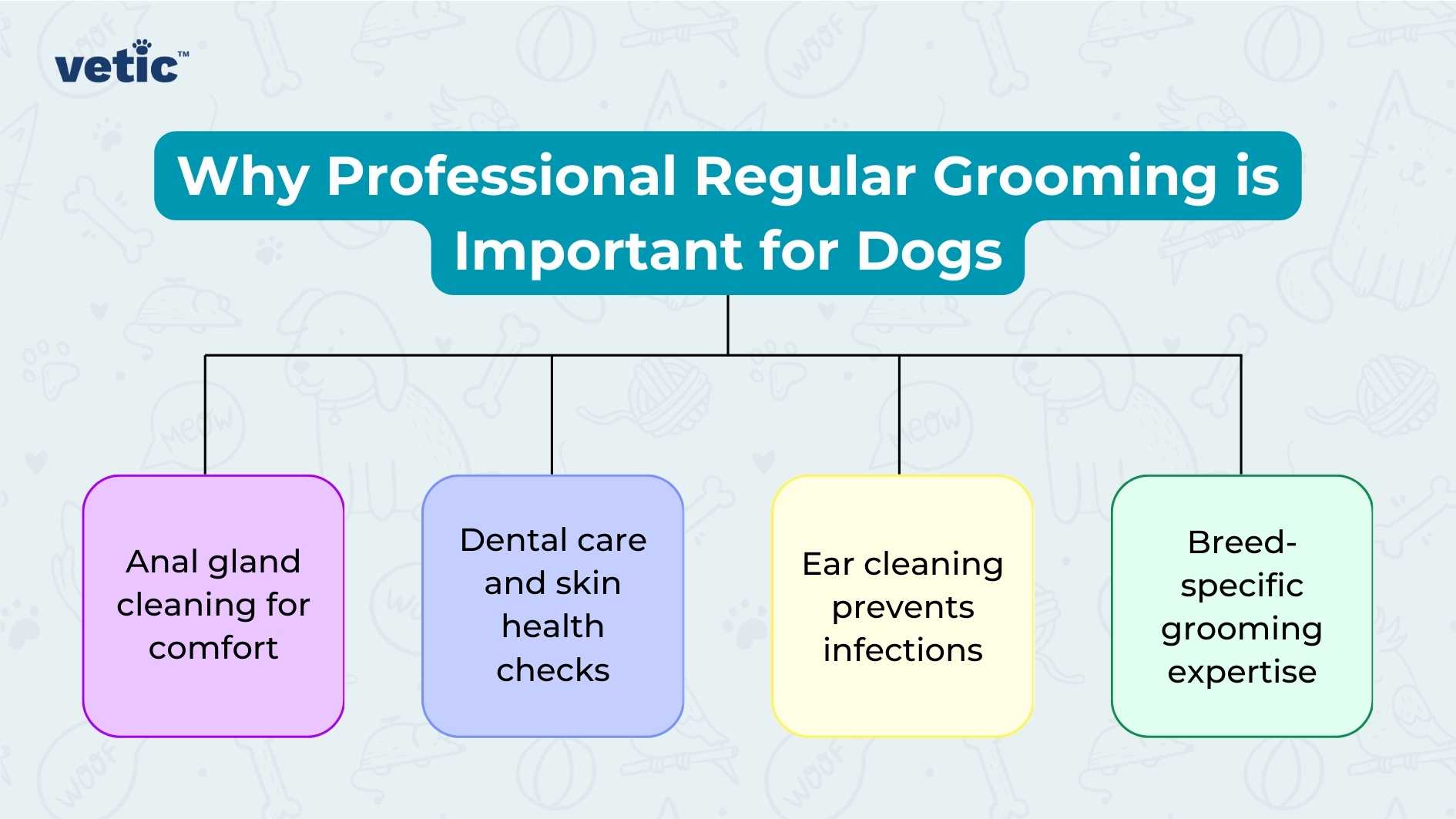
Choosing a professional dog groomer ensures that your pet receives expert care in a safe and controlled environment. Experienced groomers understand different coat types, dog behaviour, and grooming techniques required for each breed.
When looking for a groomer, consider:
- Online search results and local listings
- Reviews on platforms like Google and Justdial
- Referrals from friends or veterinarians
- Certifications and experience of groomers
- Cleanliness and safety of the grooming facility
Visiting the grooming centre in person can help you assess hygiene standards, equipment quality, and how dogs are handled.
Many advanced grooming clinics also offer veterinary support alongside grooming. For example, some clinics provide post-grooming health checks, allowing early detection of skin infections, ear issues, or other health concerns.
Transparent pricing, well-trained staff, and a calm grooming environment are key indicators of a reliable grooming service.
Frequently Asked Questions About Regular Dog Grooming
Why is regular grooming important for dogs?
Regular grooming helps maintain your dog’s hygiene, prevents infections, and allows early detection of health issues such as skin problems, parasites, or lumps.
How often should I get my dog professionally groomed?
Most dogs benefit from professional grooming every 4–6 weeks, but this depends on their coat type, breed, and lifestyle.
Does grooming help with my dog’s skin health?
Yes, grooming removes dirt, allergens, and dead hair while distributing natural oils, which improves skin health and reduces irritation.
What is anal gland cleaning in dogs and why is it necessary?
Anal gland cleaning involves expressing glands near the rectum that can become blocked or infected. If not managed, it can cause discomfort, scooting, or infection. This is usually handled by professionals.
How often should I brush my dog’s teeth at home?
Ideally, you should brush your dog’s teeth 2–3 times a week to prevent plaque buildup and maintain oral hygiene.
Can grooming help detect health problems in dogs early?
Yes, grooming allows you to notice changes such as lumps, skin infections, parasites, or unusual behaviour early, enabling timely veterinary care.
What is included in a professional dog grooming session?
A typical session includes bathing, brushing, nail trimming, ear cleaning, coat trimming (if required), and sometimes basic health checks.
How often should I trim my dog’s nails?
Nails should generally be trimmed every 2–4 weeks, depending on how fast they grow and your dog’s activity level.
How does regular grooming prevent fleas and ticks in dogs?
Grooming helps identify and remove parasites early while maintaining a clean coat that is less attractive to fleas and ticks.
Is professional dog grooming better than grooming at home?
Both are important. Home grooming helps maintain hygiene between sessions, while professional grooming ensures thorough cleaning, expert handling, and early detection of health issues.
Reference:
American Kennel Club. (n.d.). Dog grooming tips. Retrieved from https://www.akc.org/expert-advice/health/dog-grooming-tips/
American Veterinary Medical Association. (n.d.). Grooming your pet. Retrieved from https://www.avma.org/resources-tools/pet-owners/petcare/grooming-your-pet
ASPCA. (n.d.). Dog grooming tips. Retrieved from https://www.aspca.org/pet-care/dog-care/dog-grooming-tips
Cornell University College of Veterinary Medicine. (n.d.). Basic grooming for dogs. Retrieved from https://www.vet.cornell.edu/departments-centers-and-institutes/cornell-feline-health-center/health-information/basic-grooming
MSD Veterinary Manual. (n.d.). Overview of dermatologic disorders of dogs. Retrieved from https://www.msdvetmanual.com/dog-owners/skin-disorders-of-dogs/overview-of-dermatologic-disorders-of-dogs
World Small Animal Veterinary Association (WSAVA). (n.d.). Dental care guidelines for dogs and cats. Retrieved from https://wsava.org/global-guidelines/dental-guidelines/