• Sarcoptic mange is caused by microscopic Sarcoptes scabiei mites that burrow into the skin – it causes intense itching, hair loss, and skin crusting.
• It is highly contagious to other dogs and can temporarily cause itching in humans – early treatment prevents severe secondary skin infections.
• Diagnosis is by skin scraping at a vet clinic – treatment involves antiparasitic injections or spot-ons over several weeks; consult Vetic for the right protocol.
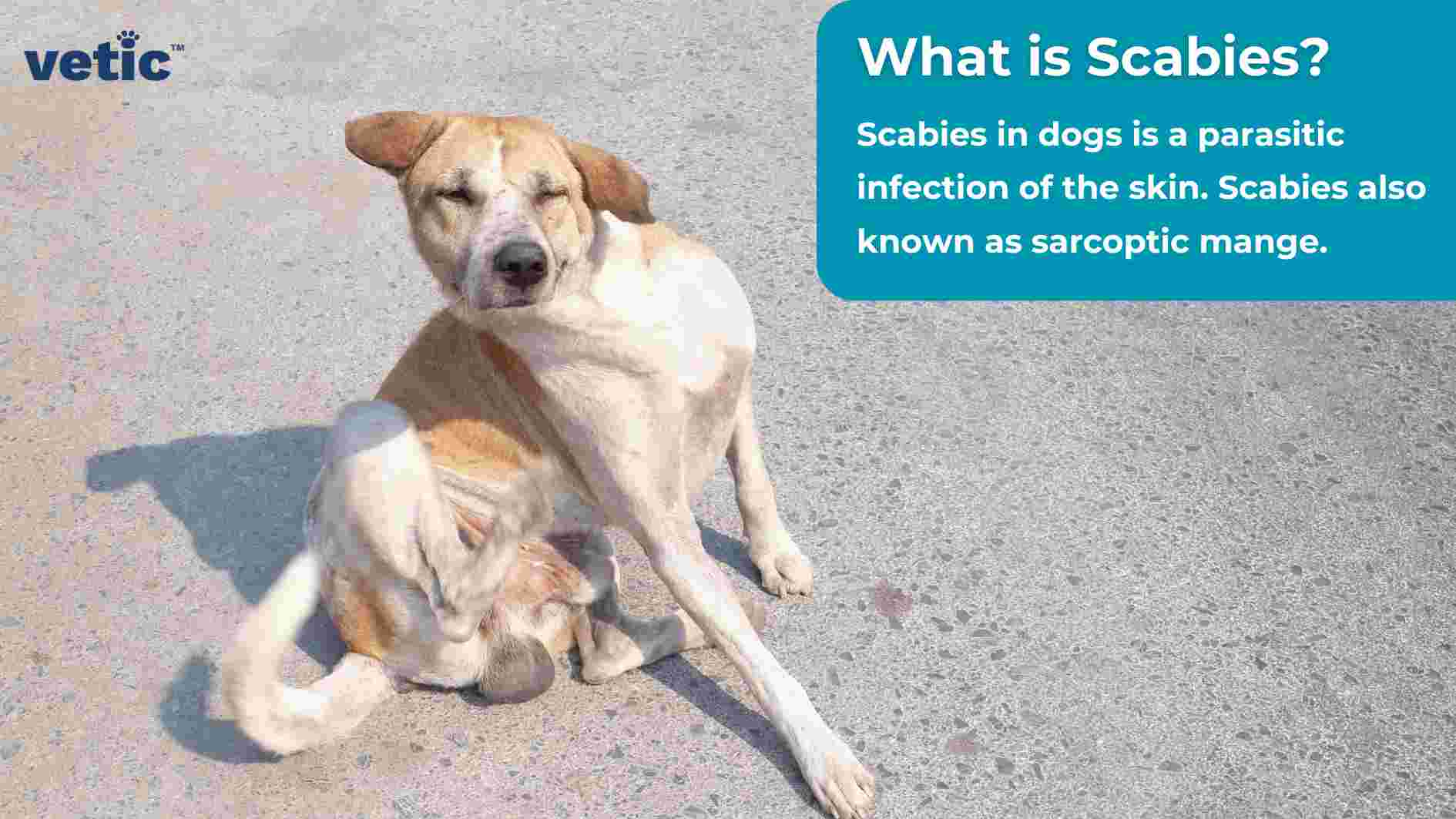
What is Scabies?
Scabies in dogs is a common parasitic infection of the skin in India. Scabies also known as sarcoptic mange is mostly seen in street dogs, but they can also be found in indoor pets.
Scabies is very contagious and it can spread from one dog to another, and humans!
What are the Signs of Scabies in Dogs?
The most common and primary sign of scabies in dogs is the itching.
Dogs infected with sarcoptic mites scratch themselves almost non-stop. What begins as the benign itch on an ear often turns into a scab filled purulent wound within a couple of weeks.
As the condition progresses, both behavioral changes and visible skin damage become evident.
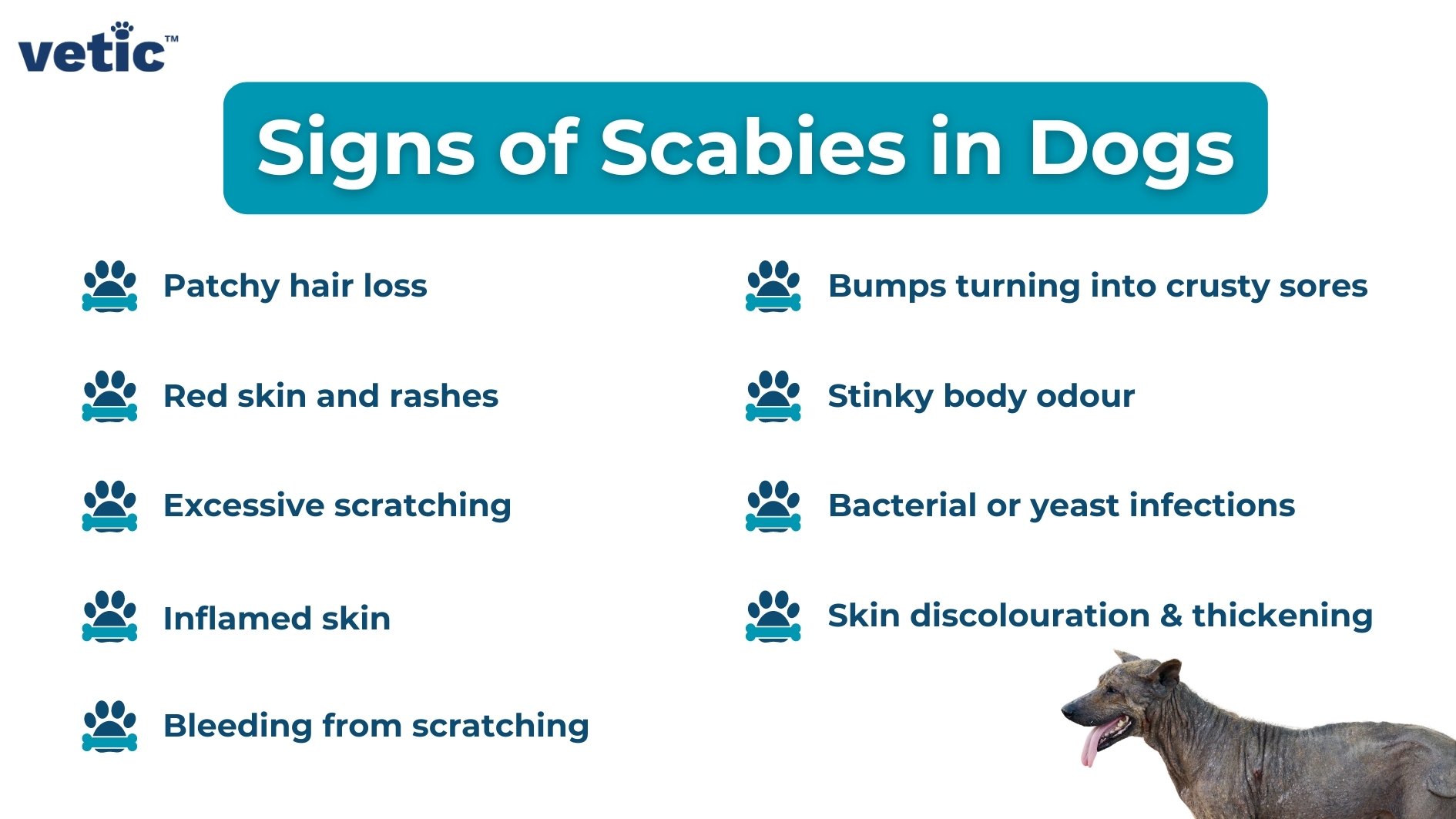
Visual and Behavioral Symptoms of Mange in Dogs
Behavioral Symptoms
Behavioral changes are often the earliest indicators of scabies and may appear even before obvious skin lesions are visible.
Common behavioral symptoms include:
- Persistent, excessive scratching
- Repeated rubbing against furniture, walls, or floors
- Restlessness and disturbed sleep due to itching
- Signs of pain or sensitivity when the affected areas are touched
Visual Symptoms
Ongoing scratching and skin inflammation result in visible changes, including:
- Patchy hair loss (alopecia)
- Red, inflamed skin and rashes
- Small bumps that progress into crusty or scabbed sores
- Bleeding or raw skin from repeated scratching
- Thickened or discoloured skin in long-standing cases
- A strong, unpleasant body odour caused by damaged skin and secondary infection
What is the Cause of Scabies? How does it Transmit?
Scabies is highly contagious and it can be transmitted easily through direct contact with infected dogs. Other causes of how a dog gets mange are through sharing bedding, collars, leashes, and the use of common grooming tools. That’s the primary reason you should opt for professional grooming services who sanitise their grooming equipment between grooming sessions.
Typically, dogs with existing skin breaks and illnesses are more prone to scabies.
How to Diagnose Scabies in Dogs? Tests and Vet Procedures
When the veterinarian suspects that your dog’s itching can be something more than dry skin or allergies, the vet will recommend a skin scraping test.
A skin scraping test is a non-invasive testing method that takes samples from the skin of a dog. The sample is processed and examined under a microscope.
The veterinarian will also recommend testing your dog’s skin and blood samples for the evidence of secondary bacterial or fungal infections.
Sometimes, skin scraping can result in a little bit of bleeding or scarring. Speak to your veterinarian if your dog shows excess discomfort after the skin scraping test.
Additional diagnostic methods for dog scabies diagnosis include superficial skin biopsy and response-to-treatment confirmation when mites are not detected initially. False negatives are common, and repeated testing may be required.
What are the Types of Scabies Treatment in Dogs? Medications and Home Care
Treatment for scabies in dogs may start with a zero cut! We know how disheartening it can be, but it is crucial to eliminate the fur since it comes in the way of effective treatment of the skin.
Next comes the medicated baths. Dogs with scabies almost always require medicated baths and special grooming followed by an anti-mite product.
Which Medications are Advised for Treating Scabies in Dogs (Topical, Oral, and Injectable)?
In some cases, veterinarians also prescribe oral medication and injection to fight the secondary bacterial and/or fungal infections that often accompany scabies.
Veterinarians may prescribe:
- Ivermectin
- Selamectin
- Moxidectin
- Lime sulfur dips
Important: Certain drugs can be dangerous for Collies and herding breeds. Never self-medicate; dog scabies treatment must be supervised by a veterinarian.
What are Some At-Home Care Tips and Cleaning Measures for Managing Scabies?
In most cases, dogs can be treated at home, without hospitalisation, unless the scabies has caused extensive bacterial infections that has resulted in dehydration, anorexia, lethargy, and weight loss.
Home care plays a huge role in recovery:
- Wash bedding, collars, and toys in hot water
- Disinfect surfaces and sun-dry items weekly
- Avoid shared grooming tools
- Limit close contact until recovery
- Keep your dog off beds and sofas during dog scabies treatment
Most importantly, if you have a multi-pet household, you need to get your other dogs and cats checked for scabies since it’s highly contagious. Scabies can stay in a dog or cat without showing too many symptoms for a long time.
To learn more, visit Dog Grooming Near Me at Vetic.
Book an appointment at Vetic for accurate mange treatment.
Can Scabies in Dogs Infect Humans?
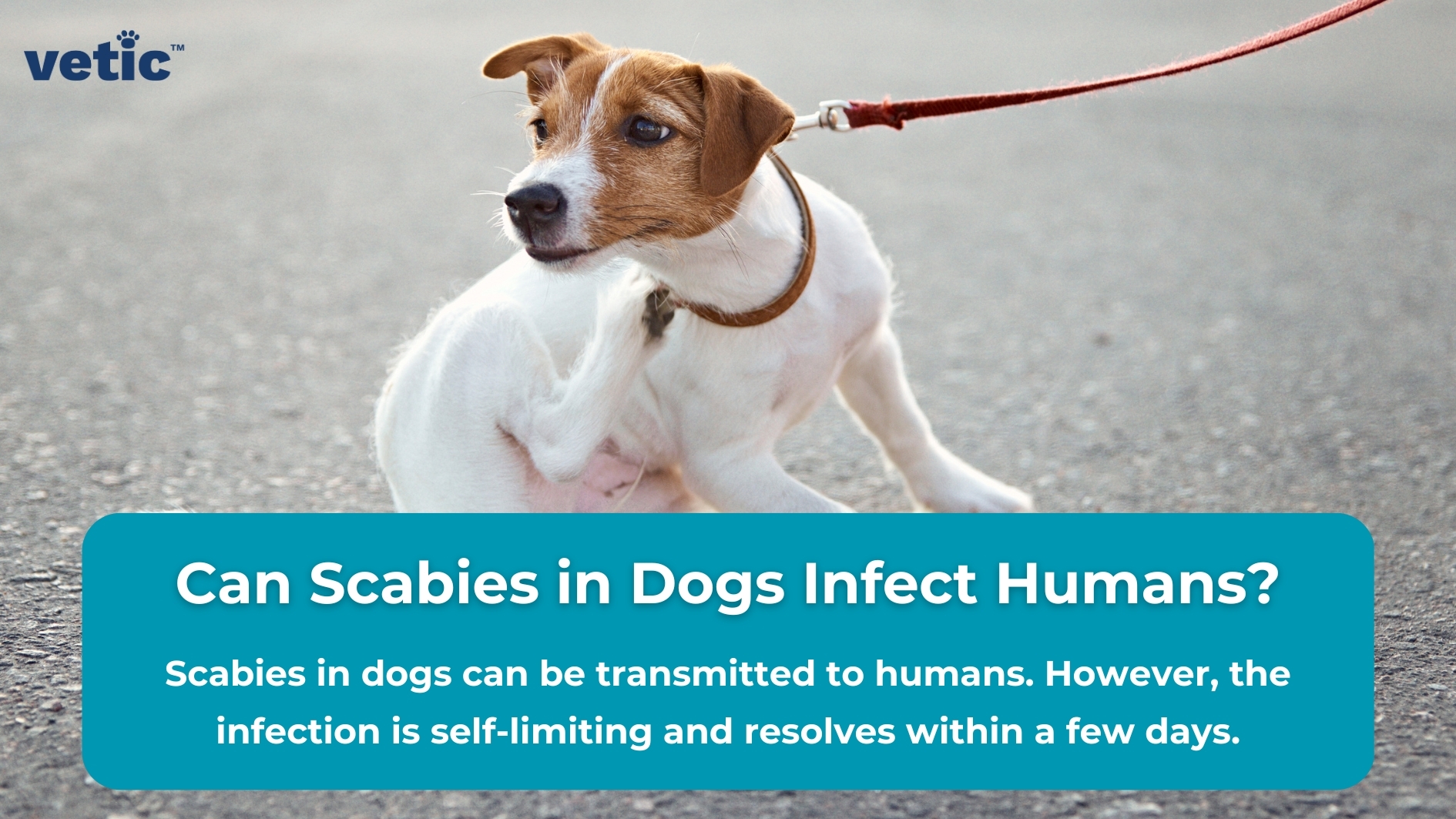
Many people wonder, “Can humans get scabies from dogs?” The answer is: Yes, scabies is zoonotic, meaning it is highly contagious, if your dog has scabies you might get it too. However, the canine sarcoptic mites cannot complete their lifecycle on a human host. So, the infection is often mild, self-limiting, and characterised by temporary itching or rashes. Symptoms resolve once the dog is treated.
What’s the Outcome of Scabies in Dogs?
Treatment for scabies in dogs is usually a long-term plan, it can take up to 8 weeks for your dog to be mite-free.
It is imperative that you do not stop treatment without consulting your veterinarian even if the signs like bad odour or scratching stop.
Keep washing your dog’s bedding, accessories and any other surface they sit or lie on with bleach. Try to keep your dog off your bed until they have recovered fully.
Once the treatment regimen is complete, speak to your veterinarian about further testing.
Pick a regular grooming regimen that includes antiparasitic treatment or anti-mite treatment for your dog.
What is the Recovery, Prognosis, and Prevention of Scabies in Dogs?
With early diagnosis and consistent treatment, the prognosis for scabies in dogs is generally excellent. However, recovery requires patience and strict adherence to veterinary instructions.
To prevent scabies in the dogs, focus on parasite control, hygiene, and early intervention:
- Use regular veterinarian-recommended antiparasitic preventives
- Maintain consistent grooming and hygiene routines
- Avoid contact with dogs showing signs of skin disease
- Disinfect grooming tools, bedding, collars, and leashes regularly
- Schedule routine skin and parasite checks, especially for dogs with recurrent skin issues
For recurring infections, schedule routine parasite checks at Vetic clinics.
What is the Difference Between Sarcoptic and Demodectic Mange
Although both conditions are referred to as “mange,” sarcoptic and demodectic mange differ significantly in cause, severity, and management.
| Feature | Sarcoptic Mange in Dogs | Demodectic Mange in Dogs |
| Cause | Sarcoptes mites | Demodex mites |
| Contagious | Yes | No |
| Itching | Severe | Mild to moderate |
| Affects Dogs | All ages | Mostly puppies or immunocompromised |
| Affects Humans | Yes (temporary) | No |
| Treatment | Anti-mite drugs | Immune support & miticides |
| Treatment Duration | Longer | Variable |
Frequently Asked Questions
- What is scabies in dogs?
Scabies is a highly contagious parasitic skin disease caused by Sarcoptes scabiei mites that burrow into a dog’s skin. It triggers intense itching, inflammation, and rapid skin damage if not treated promptly.
- What causes scabies in dogs?
Scabies spreads mainly through direct contact with infected dogs, but mites can also transmit via contaminated bedding, collars, leashes, or grooming tools. Dogs with compromised skin or immunity are at higher risk.
- How can I tell if my dog has scabies?
Persistent itching that does not improve, along with hair loss, redness, scabs, and restlessness, are strong indicators. Symptoms often worsen quickly and commonly start around the ears, elbows, and belly.
- How is scabies diagnosed?
Veterinarians diagnose scabies using skin scrapings, microscopic examination, and clinical signs. Because false negatives are common, diagnosis may also be confirmed by the dog’s response to dog scabies treatment.
- What treatments are available?
Mange in dog treatment includes veterinarian-prescribed topical, oral, or injectable antiparasitic medications. Medicated baths and treatment of secondary bacterial or fungal infections are often required for full recovery.
- Can scabies spread to humans or other pets?
Yes, scabies is zoonotic and can temporarily affect humans and other pets through close contact. However, canine mites cannot complete their lifecycle on humans, and symptoms usually resolve once the dog is treated.
- How long does recovery take?
Most dogs improve within a few weeks, but complete mite elimination and skin healing typically take 6–8 weeks. Treatment must be continued as advised, even if itching reduces early.
- Can scabies be prevented?
Yes, regular antiparasitic preventives, good hygiene, routine grooming, and avoiding contact with infected animals significantly reduce the risk of scabies.
- What happens if scabies is untreated?
Untreated scabies can lead to severe skin infections, thickened and damaged skin, weight loss, behavioural changes, and significant discomfort, seriously affecting a dog’s quality of life.
- When should I see a vet?
You should consult a veterinarian at the first sign of intense or persistent itching, especially if it worsens rapidly or is accompanied by hair loss, redness, or scabbing.