• Common home injuries include cuts and lacerations, burns, eye injuries, fractures, poisoning, and heatstroke – dogs are natural risk-takers in any environment.
• Basic first aid: apply gentle pressure to wounds, keep burns under cool running water, and do not move a dog with a suspected fracture unnecessarily.
• First aid buys time – always follow up with a Vetic vet visit even if the injury seems minor, as internal damage may not be immediately apparent.
Home should be the ultimate safe space for all of us, including your furbaby. Your dog should not only feel comfortable but also remain safe while at home. Sadly, that’s not always the case. Where humans see danger, dogs can see a toy or food. Today, we will talk about some of the most common injuries in dogs that happen at home.
Accidents at home involving puppies and dogs are very common. Apart from keeping the contact details of your nearest veterinary hospital and emergency pet clinic, you should also pet-proof your house to ensure the safety and well-being of your dog.
What are the 10 most common accidents or injuries in dogs from home hazards
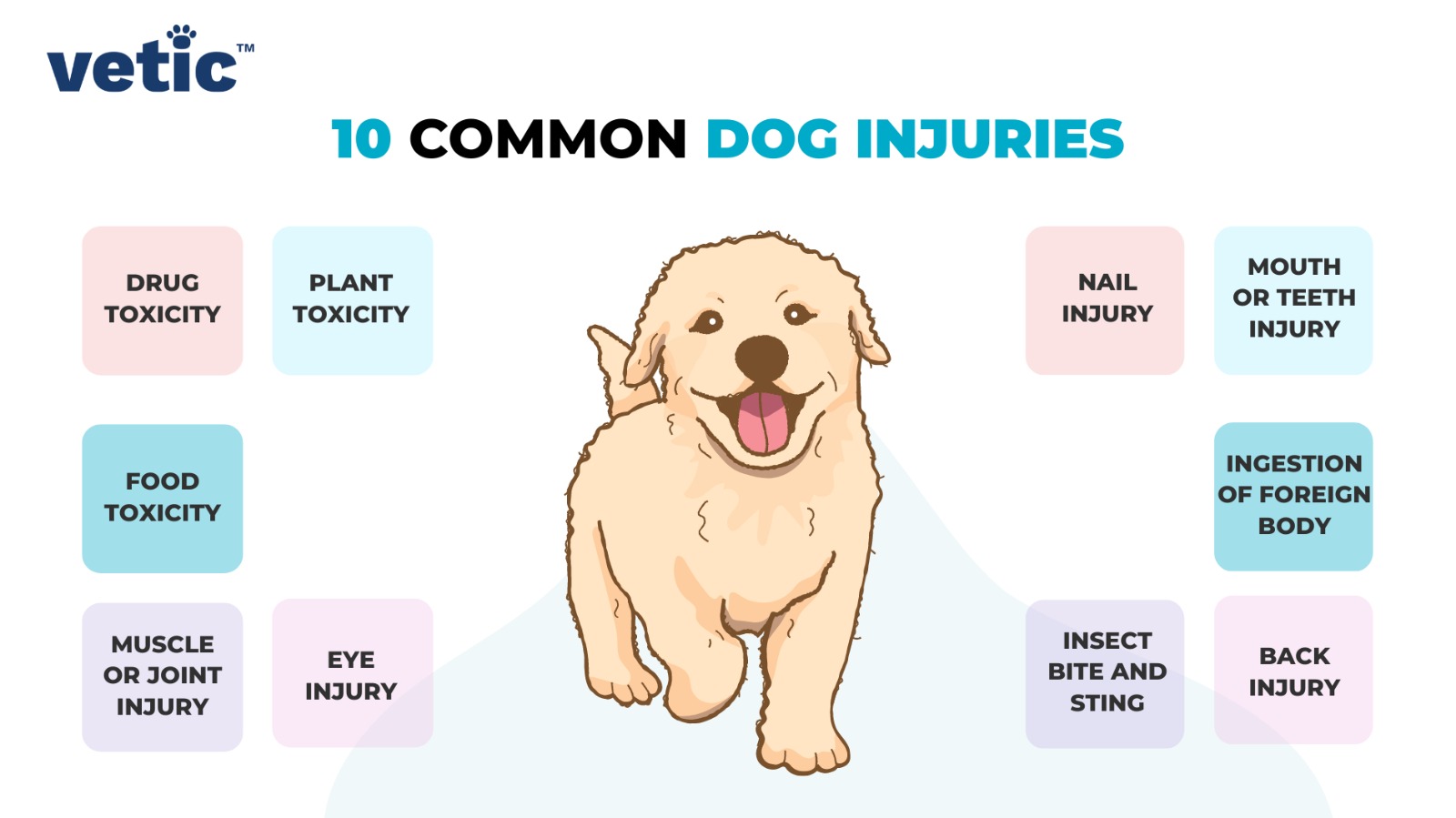
Here are the 10 most common accidents and injuries in dogs at home
- Drug toxicity – Pets often swallow pills dropped on the floor or chew through bottles.
- Plant toxicity – Even harmless-looking plants can irritate or poison dogs.
- Food toxicity – Onion, garlic, chocolate, bun scraps, and more can make dogs very sick.
- Muscle or joint injury – Jumping off beds, slipping on tile,s and rough play cause sprains.
- Eye injury – Sharp edges, running indoors, and multi-pet interactions can injure the eyes.
- Nail injury – Long nails get caught in carpets and furniture and rip easily.
- Mouth or teeth injury – Chewing cables, sticks,s or plastic toys can injure gums and teeth.
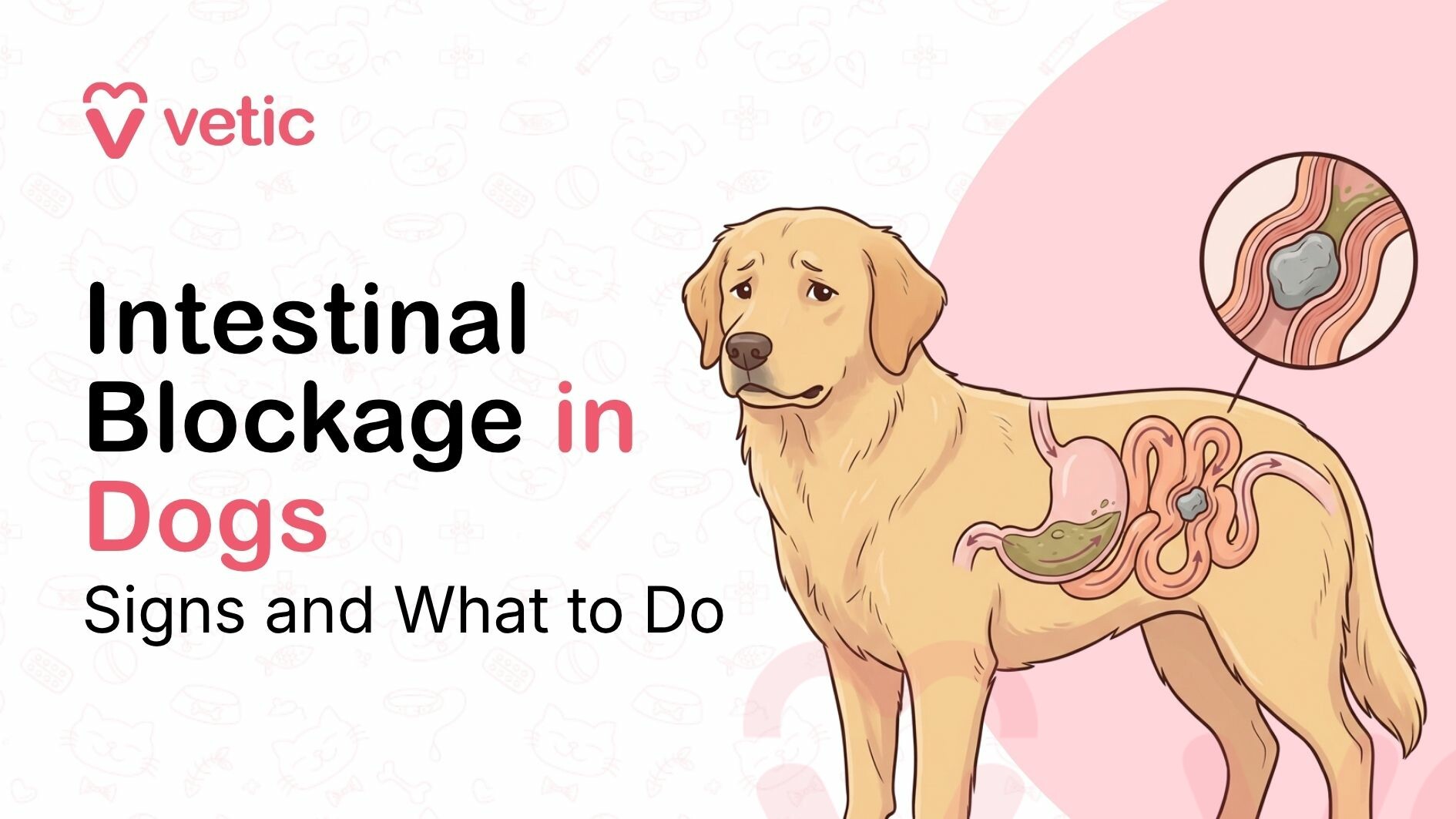
- Ingestion of foreign body – Dogs often swallow socks, toys, masks, etc at home.
- Insect bite and sting – Bees, wasps, and ants can trigger painful reactions.
- Back injury – Falls, crawling under furniture, and sudden twists strain the spine.
These short notes help pet parents scan the dog’s injury list quickly and understand why each hazard is risky.
Without further ado, let’s find out more about the common injuries in dogs that occur at home and what you can do about them.
Drug Toxicity
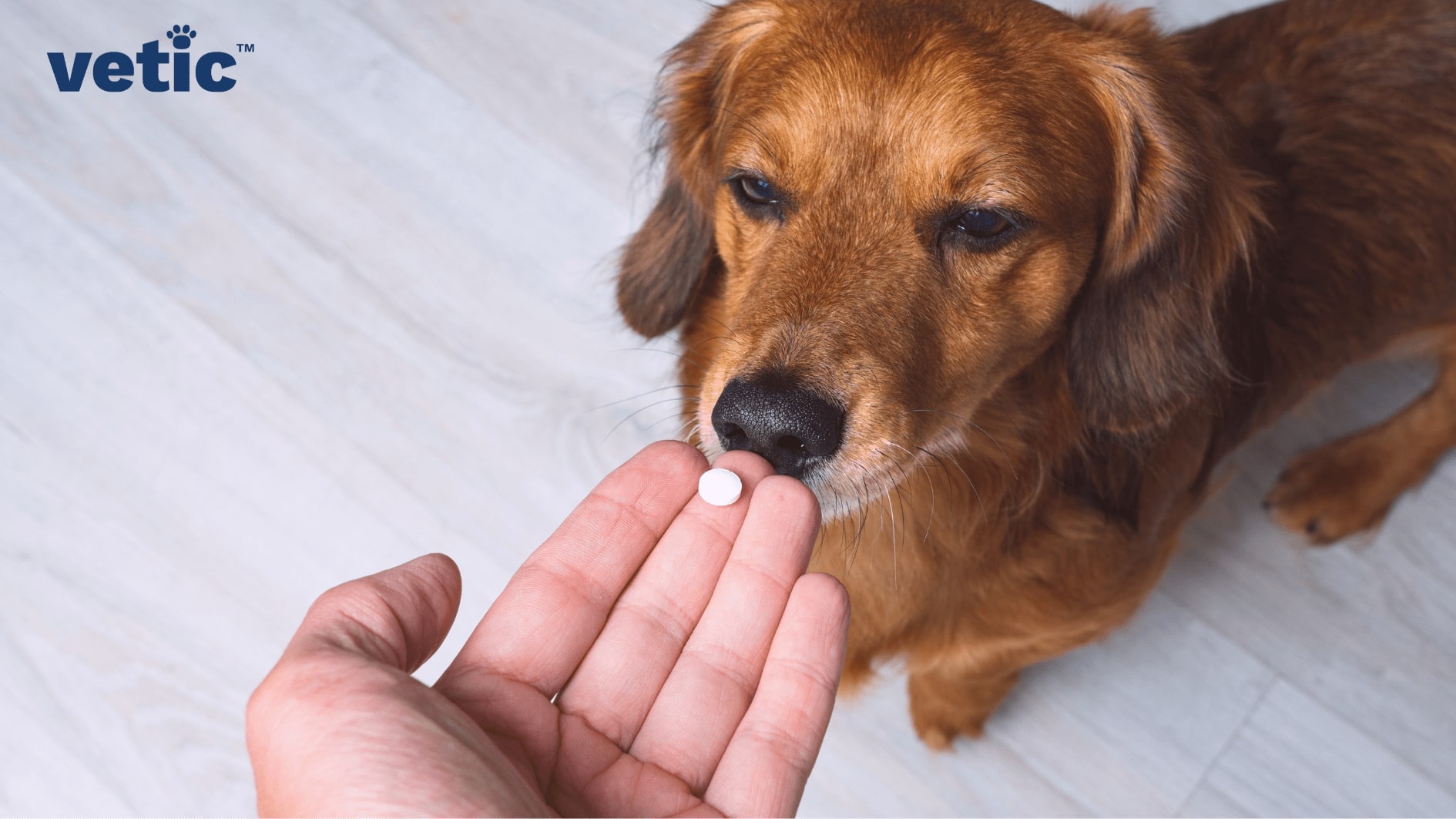
It is one of the most common reasons pet parents need emergency veterinary care in India. We have compiled a list of the most common human medicines toxic to dogs. You can refer to that to avoid accidental drug toxicosis.
Try to keep all human pain and fever medicines, heart meds, antidepressants and sleeping medication out of your dog’s reach. Keep them in the medicine cabinet in the bathroom or inside a locked cupboard.
Pick up any medicine you drop accidentally. Or, make it a habit of taking your medicine in front of the bathroom sink.
Plant Toxicity
Some very common houseplants, including aloe vera, are highly toxic for dogs. Avoid keeping plants inside the house to prevent your dog from falling sick.
Plants without toxic properties can still harm your dog if they go on a munching spree. It is a common injury in puppies. It typically results in diarrhoea, stomach pain, bloating and vomiting. These are all serious signs and warrant an immediate vet visit.
Food Toxicity
Even if you are feeding premium quality dog or puppy food to your dog, they will crave a taste of human food. That’s their nature. While human food is not always dangerous for them, eating scraps from the dustbin can be dangerous since it can contain onions, garlic, grapes, coffee grounds and tea leaves.
Chocolate is also highly toxic for dogs and pups. You should keep everything containing any chocolate or cocoa out of the reach of your dog. And, be warned, some breeds like beagles, retrievers, dachshunds and GSDs are smart enough to open fridge doors!
Muscle or Joint Injury
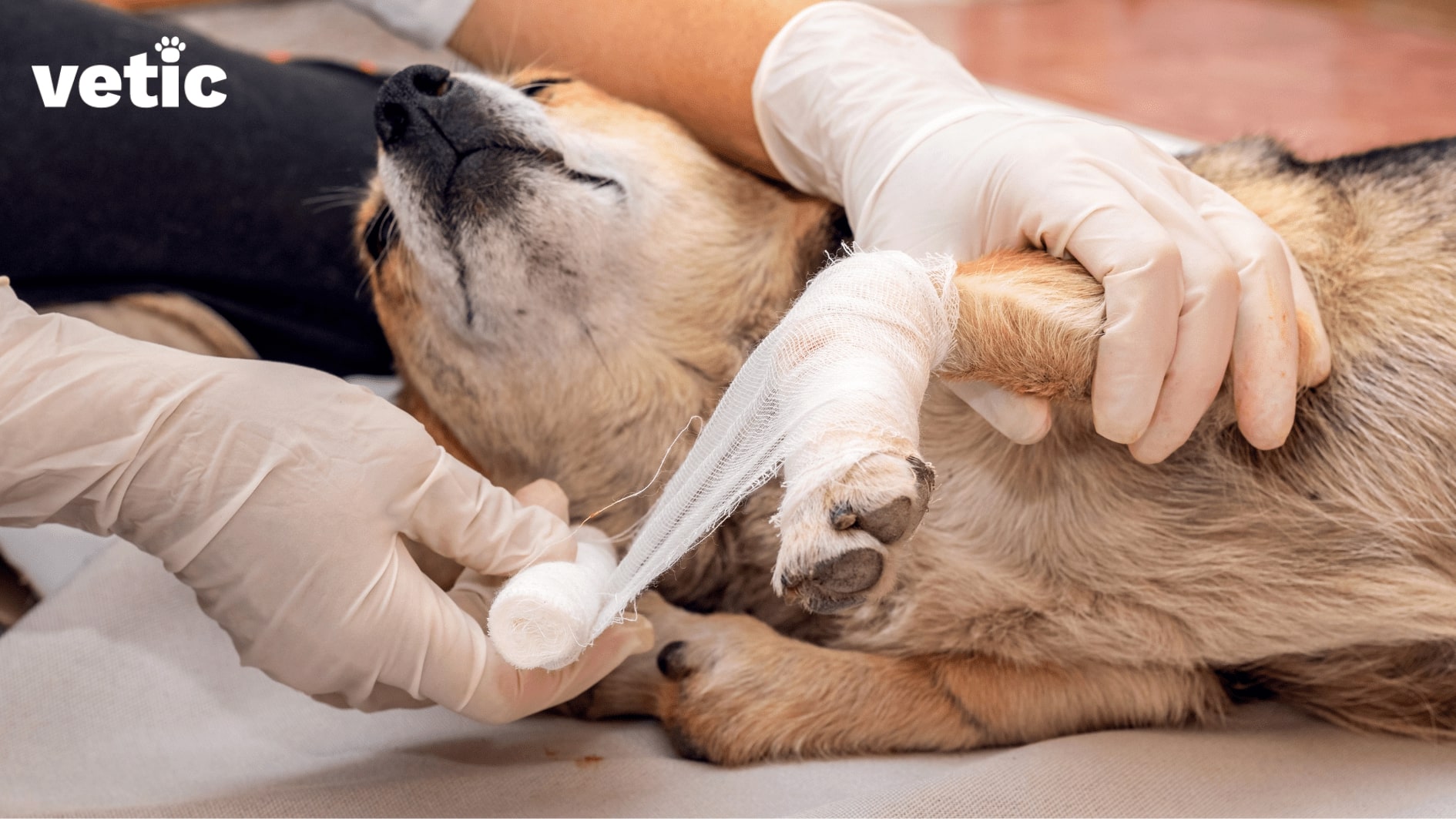
It is another common issue pet parents face with puppies as well as senior dogs. Dogs will try to leap off the sofa or bed to follow their humans, get their paws stuck under the couch and may even bump against hard surfaces that cause muscle and joint injury.
Do not try to give dogs painkillers without consulting a vet. Muscle and joint injuries require expert checkups and diagnosis to prevent long-term pain and mobility issues. You can try to readjust your furniture or the height of your bed and sofa to reduce the frequency of these injuries.
Eye Injury
We frequently see eye injuries in Pugs, Shih Tzus, French Bulldogs, Boxers and Pomeranians. Eye injuries commonly happen when your dog is running around the house and there are lots of plants and sharp edges. It is also common in multi-pet households.
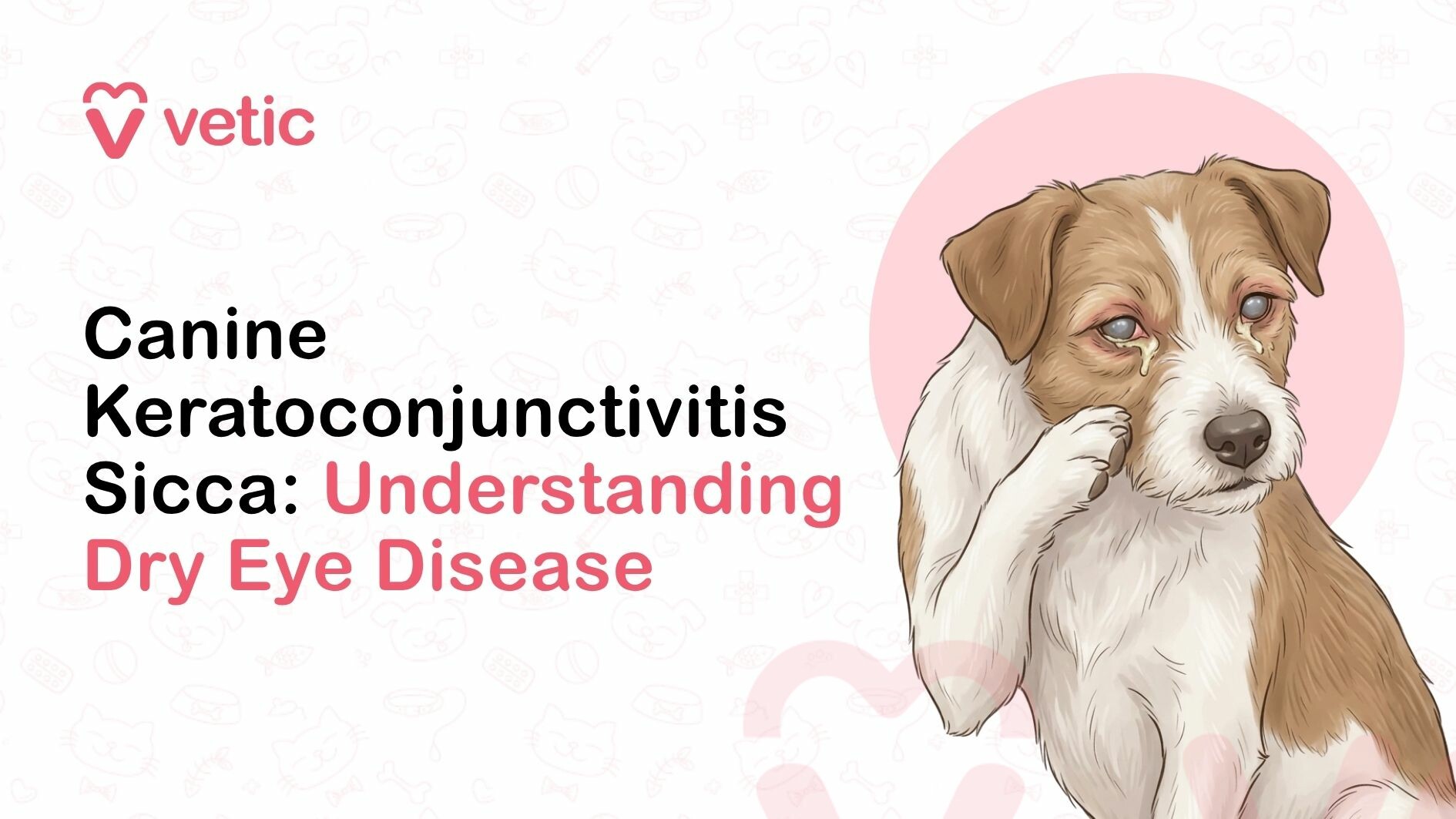
Accidental eye injuries can damage your pet’s pupil or cornea. It can lead to further infections. Look for redness in the white of the eyes, constant watering from the eyes and signs of irritation, such as wiping the eyes with the paws repeatedly. Take your pet to the emergency veterinarian in case of eye injury to prevent long-term complications including the loss of eyesight.
Nail Injury
Ripped nails can be nasty. They take a long time to heal and they cause repeated bleeding. The bleeding is also difficult to stop without proper veterinary intervention.
It happens when you haven’t taken your pup for grooming in a long time. What’s the right time to clip your dog’s nails? At least once every 2 weeks. If you cannot do it alone, contact professional groomers who will do it for you.
Mouth or Teeth Injury
Puppies and young dogs have the habit of chewing things they shouldn’t, especially when they are alone. It’s frequent in dogs with separation anxiety. These objects can range from your shoes and socks to mobile chargers and pens. Often the sharp edges cause injuries inside their mouth. Small bits can also get stuck between their teeth.
If your pupper has a mouth or teeth injury you may notice excessive drooling, an inability to close their mouth, a bad smell and the refusal to eat. Take your dog immediately to the vet to prevent severe dehydration and serious infection.
Ingestion of Foreign Body
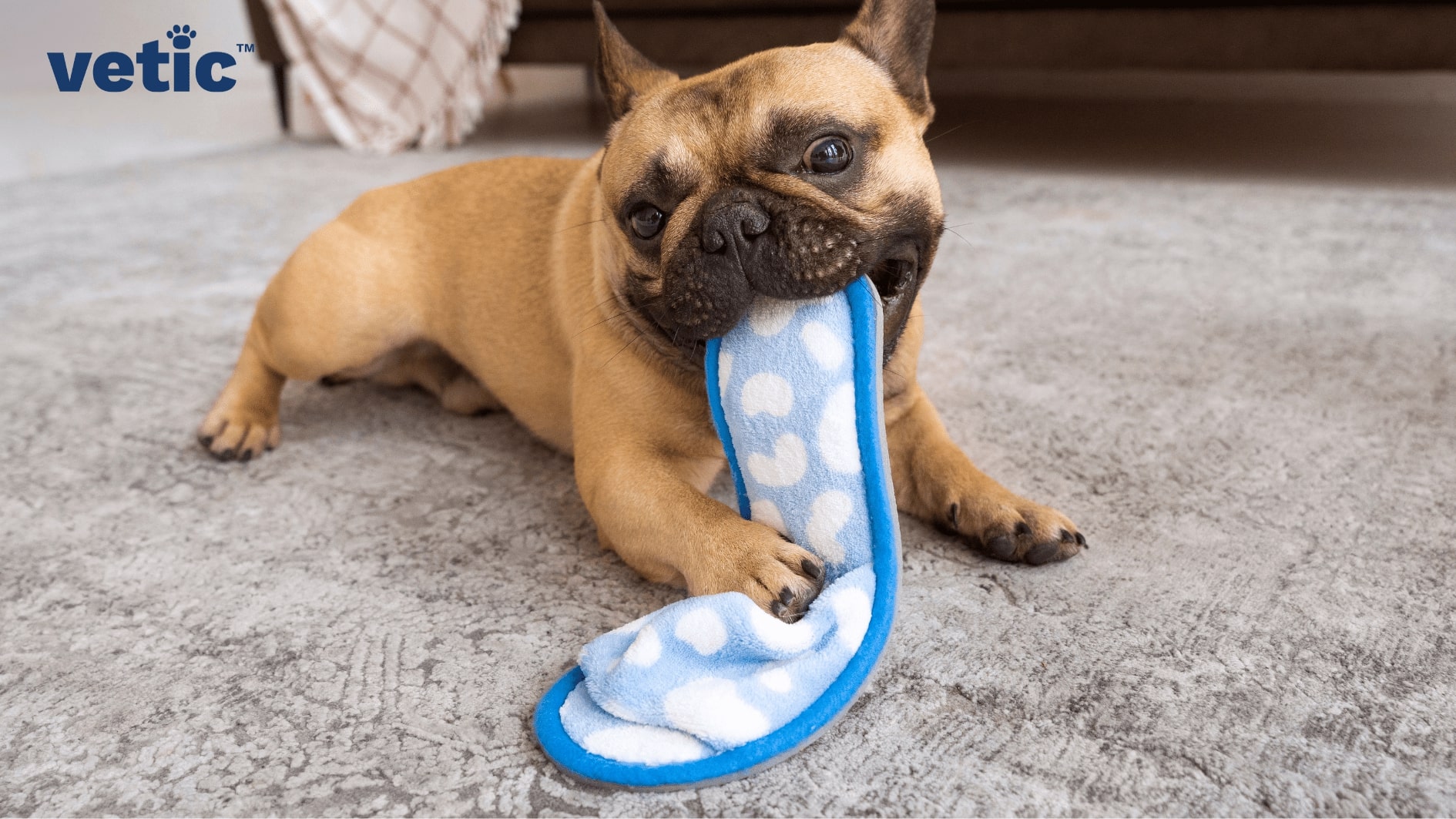
It is one of the most common reasons puppies and dogs visit our clinics with their parents. We have seen it all! Socks, surgical masks, tennis balls and even the occasional Airpod.
Has your dog pulled a similar stunt? Get them to a 24/7 emergency care clinic with in-house diagnostics to find out exactly what your dog has eaten, where it is and if it will exit his digestive system on its own.
Insect Bite and Sting
Puppies and dogs love chasing flying critters. Sadly, these insects also include bees, wasps, bumble bees, flying ants and several others with stings.
There is always a chance of a severe allergic reaction. If you see your dog’s muzzle or paw swelling up without a visible cause, take him to the vet for a thorough physical examination. The stinger requires immediate removal, and your pooch will need some meds to reduce the swelling, pain and allergic reactions.
Back Injury
Have you seen your dog crawl out from under your couch or bed? That’s exactly what causes the most frequent back injuries. Others include play-fighting with other pets and falling down from the stairs, tables, sofas, chairs and beds. Signs of back injuries may include the inability to stand up, uncoordinated movements, whining upon touching the area of the dog’s injury and lethargy.
Back injuries can impact your pet’s mobility and quality of life in the long run. You must take your pup to the vet if you have seen them fall or injure themselves. Or, if you notice any of the signs we have mentioned above.
How to Prevent Dog Injuries at Home?
Here are some practical ways to reduce the risk of dog injuries or dog accidents:
- Keep medicine cabinets locked and store pills in closed drawers. Dogs are naturally curious, and even a single dropped tablet can cause poisoning.
- Avoid leaving food on tables or open dustbins accessible to pets. Use pedal bins or covered cans to prevent dogs from scavenging toxic leftovers.
- Trim nails regularly to prevent tearing and painful injuries. Overgrown nails not only break easily but also make walking difficult, increasing the risk of slips and falls.
- Use pet gates on stairs and balconies. This is especially important for puppies, senior dogs, and short-legged breeds who are more prone to falls.
- Choose dog-safe indoor plants only. Research each plant before bringing it home and keep non-toxic plants out of reach of heavy chewers.
- Secure loose wires and keep hazardous items off the floor. Cable protectors, cord organizers, and closed storage help prevent electrocution and choking hazards.
- Provide safe chew toys to redirect destructive chewing. This reduces the chances of chewing on shoes, plastic, cloth, or wires.
- Use non-slip mats on smooth floors. Tiles and marble can cause slips—mats help prevent joint injuries.
- Ensure windows, balconies, and terraces have secure grills. Dogs may misjudge heights, especially when excited or chasing birds.
Book a preventive health check at Vetic to keep your dog safe.
What are First Aid Tips for Common Dog Injuries?
Here’s a quick, calm, step-by-step guide for dog first aid at home:
- Stay calm – your dog picks up on your anxiety. A calm environment helps an injured dog feel safe and reduces panic.
- Move your pet to safety – away from stairs, furniture, or harmful objects. Injured dogs can accidentally hurt themselves further while trying to escape or hide.
- Check the injured area gently – without forcing movement. Stop if your dog growls, cries, or resists; forcing it may worsen fractures or wounds.
- Apply pressure to bleeding wounds using a clean cloth or sterile gauze. Hold steady pressure for several minutes to control bleeding.
- Clean minor wounds with cool water if recommended by your veterinarian. Avoid using antiseptics like Dettol or Savlon—they can be toxic to dogs.
- Do NOT give human medications unless your vet tells you to. Even common painkillers like ibuprofen and paracetamol can be deadly for dogs.
- Use a cone or soft collar to prevent licking until you reach the vet. Licking can worsen wounds and introduce infection.
- Call your vet or nearest emergency centre immediately. Describe the dog injury clearly so the team can prepare for your arrival.
When to See a Vet Immediately?
Seek emergency vet care without delay if you notice:
- Continuous vomiting or diarrhoea: This may indicate poisoning, infection, or internal dog injury.
- Breathing difficulty: Struggling to breathe is always a life-threatening emergency.
- Collapse or unresponsiveness: These signs require urgent examination and stabilization.
- Excessive bleeding: Bleeding that doesn’t stop within a few minutes may need sutures or emergency care.
- Sudden swelling of the face or paws: Often caused by insect bites or allergies, which can progress to anaphylaxis.
- Refusal to walk or stand: Could indicate fractures, spinal injury, or severe pain.
- Signs of poisoning (drooling, tremors, seizures): Immediate treatment is critical to prevent organ damage.
For emergencies, contact your nearest Vetic clinic or use the Vetic app.
Frequently Asked Questions
- What are the most common household accidents that lead to injuries in dogs?
Falls, ingesting toxic foods, chewing wires, plant toxicity, and swallowing foreign objects are the most frequent household dog accidents that lead to injuries. Even routine activities like jumping from furniture can cause serious injuries in some breeds. - How can I prevent my dog from injuring themselves around the house?
Keep harmful items out of reach, secure plants, use pet gates, trim nails, and supervise playtime to prevent your dog from injuring themselves around the house. Consistent training and environmental management go a long way in preventing dog accidents. - What should I do if my dog gets injured at home?
If your dog gets injured at home, move them to safety, provide basic first aid, and call your vet immediately. Avoid home remedies unless advised; they often worsen the dog injuries. - How can I tell if my dog has broken a bone?
If you suspect a broken bone, look for limping, swelling, crying when touched, or refusal to put weight on the leg. Only an X-ray can confirm a fracture, so seek veterinary care quickly. - What are the signs of poisoning in dogs due to household products?
Vomiting, drooling, tremors, rapid breathing, seizures, and collapse are the most common signs of poisoning in dogs due to household products. Early treatment dramatically improves the chances of recovery. - How can I safely handle a dog with a cut or wound?
If your dog has a cut or wound, use a clean cloth to apply pressure, keep them calm, and avoid touching deep wounds. If your dog is agitated, use a muzzle or towel wrap to prevent accidental bites. - What household items should I keep out of reach of my dog to prevent accidents?
To prevent dog accidents at home, keep these items away: medicines, cleaning supplies, sharp objects, leftovers, cables, and small chewable items. Anything that can fit inside a dog’s mouth can become a choking hazard. - What are the most common burns or scald injuries in dogs, and how do I treat them?
Hot water spills, electric burns, and chemical cleaners are the most common burns or scald injuries in dogs. Rinse with cool water and see a vet immediately. Do not apply ice or toothpaste; these worsen tissue damage. - How can I prevent my dog from falling down stairs or off furniture?
To prevent your dog from falling down stairs or off furniture, use baby gates, ramps, and non-slip mats, and discourage jumping from heights. Senior dogs and puppies need extra protection due to weaker balance and coordination. - What are the signs that my dog might have internal injuries from a household accident?
Signs of internal injuries in dogs from household accidents include pale gums, lethargy, vomiting, swollen abdomen, and difficulty breathing. Internal injuries can be silent at first, so don’t wait for symptoms to worsen.