• Any breed can be family-friendly with the right socialisation and training – but some breeds like Labrador, Golden Retriever, Beagle, and Indies are naturally gentle with children.
• Key factors to consider are the dog’s energy level, size, trainability, and tolerance of unpredictable child behaviour – not just appearance.
• Involve children in training and early socialisation to build a safe, respectful bond between your dog and family.
Choosing the right pup for your family is a significant decision especially when you have kids. You need to think about your kid’s safety and happiness while choosing a pup. While, any dog from any breed can be suitable as the part of a family when trained properly, some experts do believe that a few breeds are more suited as family dogs as compared to others due to the breed’s history, purpose and behavioural traits.
In this guide, we will introduce you to the 20 such popular family and kid-friendly dog breeds in India. You can consider each breed’s history, purpose and overall health. You can determine their friendliness and trainability before bringing them home.
How to Choose the Right Dog Breed in India?
Selecting the right dog breed goes beyond appearance. It’s important to consider your lifestyle, living space, climate, and how much time you can dedicate to training, exercise, and care. India’s diverse weather and urban living conditions also mean some breeds adapt better than others. Before deciding, think about the dog’s size, temperament, grooming needs, and energy levels, as well as how well the breed suits families, children, or first-time pet parents. Making an informed choice ensures a healthier, happier match for both you and your future pet.
20 Family and Kid-Friendly Dog Breeds in India
1. Labrador Retriever
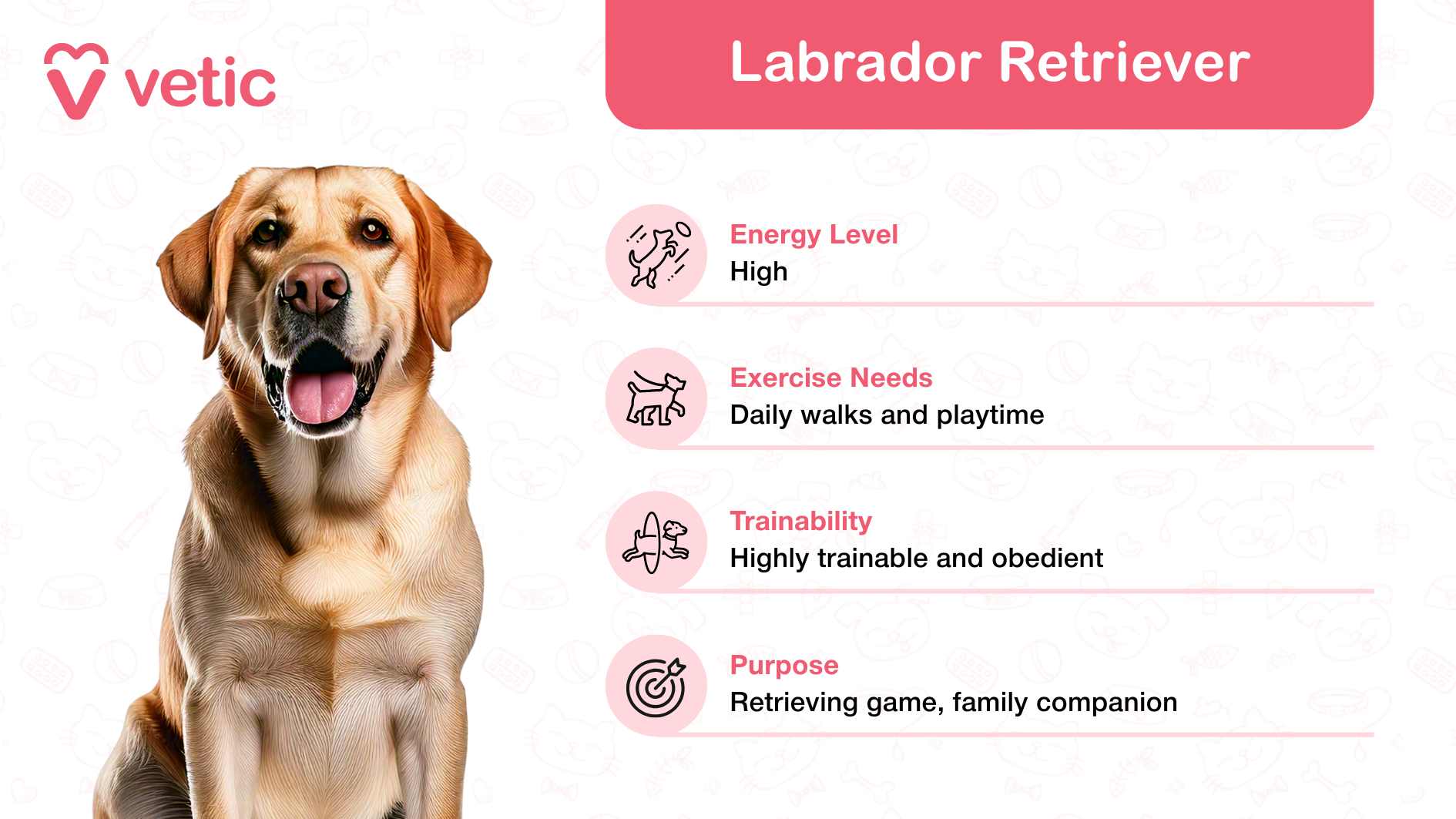
The Labrador Retriever originated from Newfoundland, Canada, where it was bred to assist fishermen. The breed was later developed for retrieving game during hunting. Labradors are known for their friendliness towards kids, loyal, and gentle behavior, making them one of the most popular family dog breeds in India. They are naturally social and get along well with both adults and kids.
Labradors are affectionate, active, and easy to train, which is why many families searching for a trustworthy companion prefer the Labrador breed in India. Their friendly temperament also makes them suitable for first-time pet parents.
- Height: 55–62 cm
- Weight: 25–36 kg
- Lifespan: 10–12 years
- Energy Level: High
- Exercise Needs: Daily walks and playtime
- Trainability: Highly trainable and obedient
- Health Issues: Hip dysplasia, obesity
If you are planning to bring home a Labrador, regular exercise, controlled feeding, and consistent training are essential. Grooming, ear cleaning, and routine health check-ups will help them stay healthy and comfortable.
2. Golden Retriever
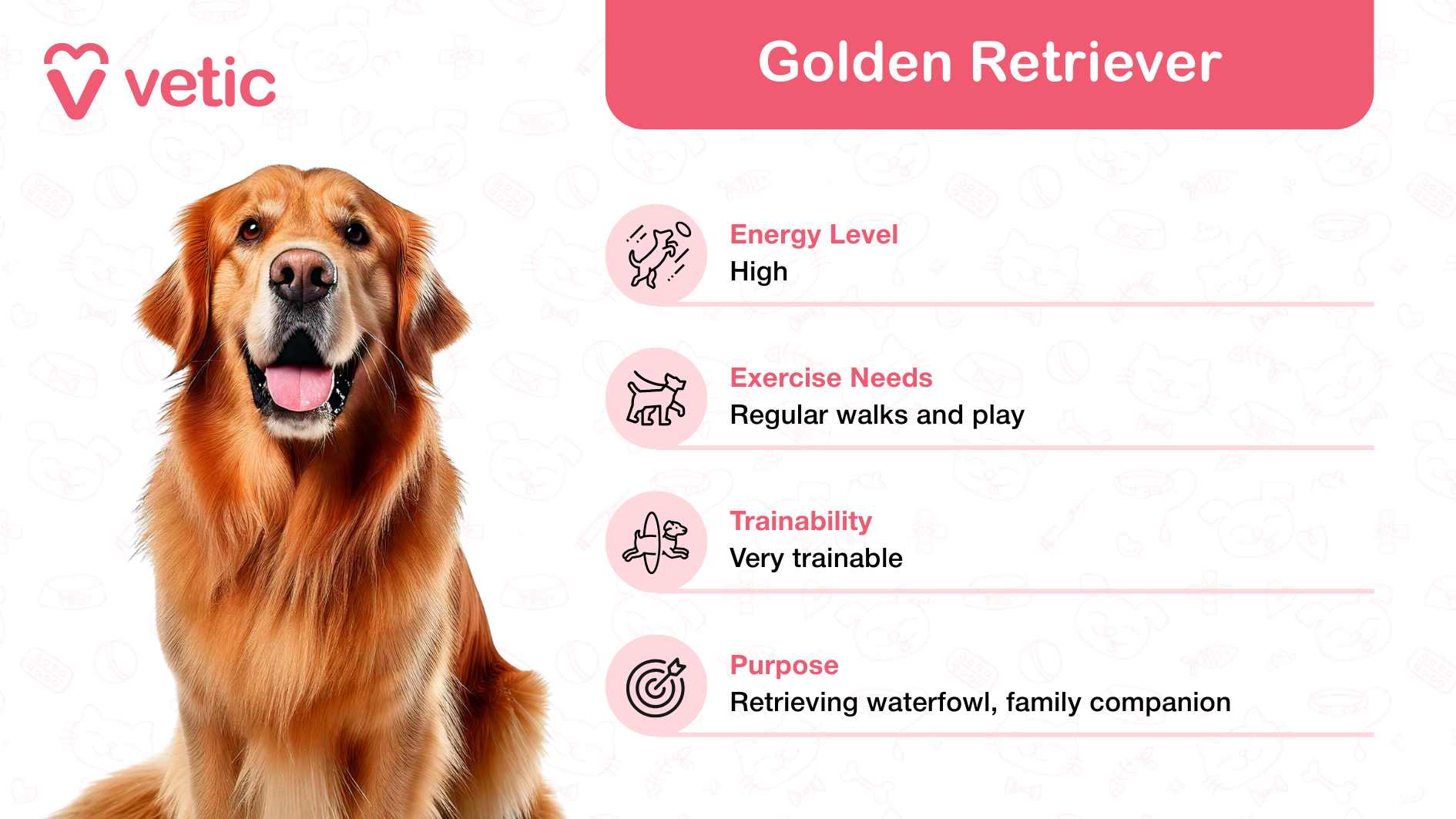
Golden Retrievers were developed in Scotland for retrieving waterfowl during hunting expeditions. Golden Retrievers are gentle, intelligent, and extremely affectionate. Their patience and kindness make them wonderful playmates for children and great companions for the whole family.
Known for their intelligence and warm, people-focused nature, Golden Retrievers thrive in affectionate households that can give them plenty of love and attention.
- Height: 51–61 cm
- Weight: 25–34 kg
- Lifespan: 10–12 years
- Energy Level: High
- Exercise Needs: Regular walks and play
- Trainability: Very trainable
- Health Issues: Hip dysplasia, heart problems
3. Indian Pariah Dog
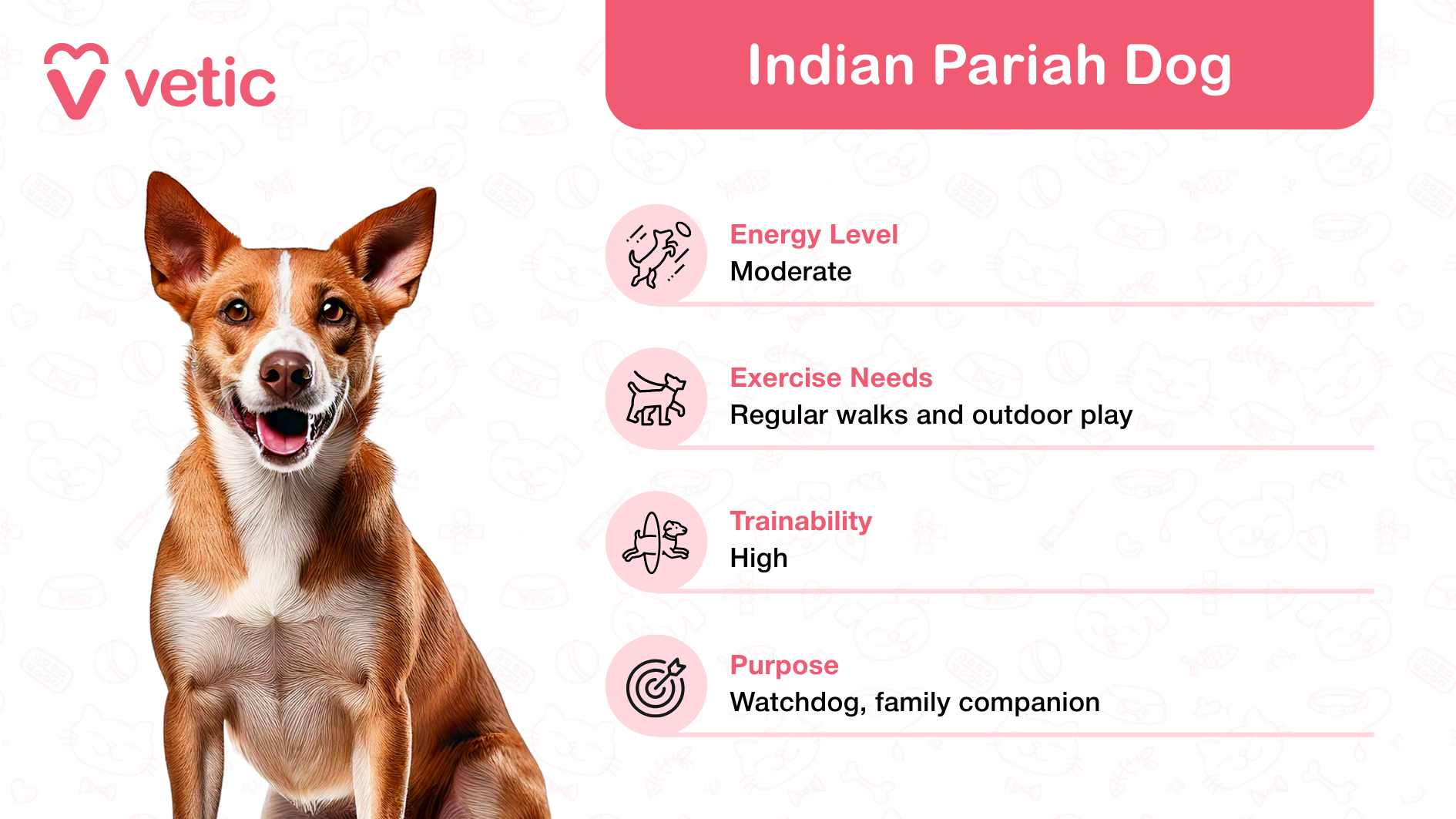
The Indian Pariah Dog is one of the oldest and most resilient native breeds. These dogs have lived alongside humans in India for centuries and are incredibly intelligent, alert, and loyal. With early socialisation, Indies become affectionate family dogs, who are extremely protective towards children. They are especially hardy and accustomed to the Indian climate, making them easier to maintain than many imported protective dog breeds, such as the German Shepherd.
This breed requires regular exercise and mental stimulation to stay confident, stable, and well-behaved.
- Height: 46–64 cm
- Weight: 15–30 kg
- Lifespan: 13–16 years
- Energy Level: Moderate
- Exercise Needs: Regular walks and outdoor play
- Trainability: High
- Health Issues: Generally very healthy, with minimal breed-specific issues
4. Beagle
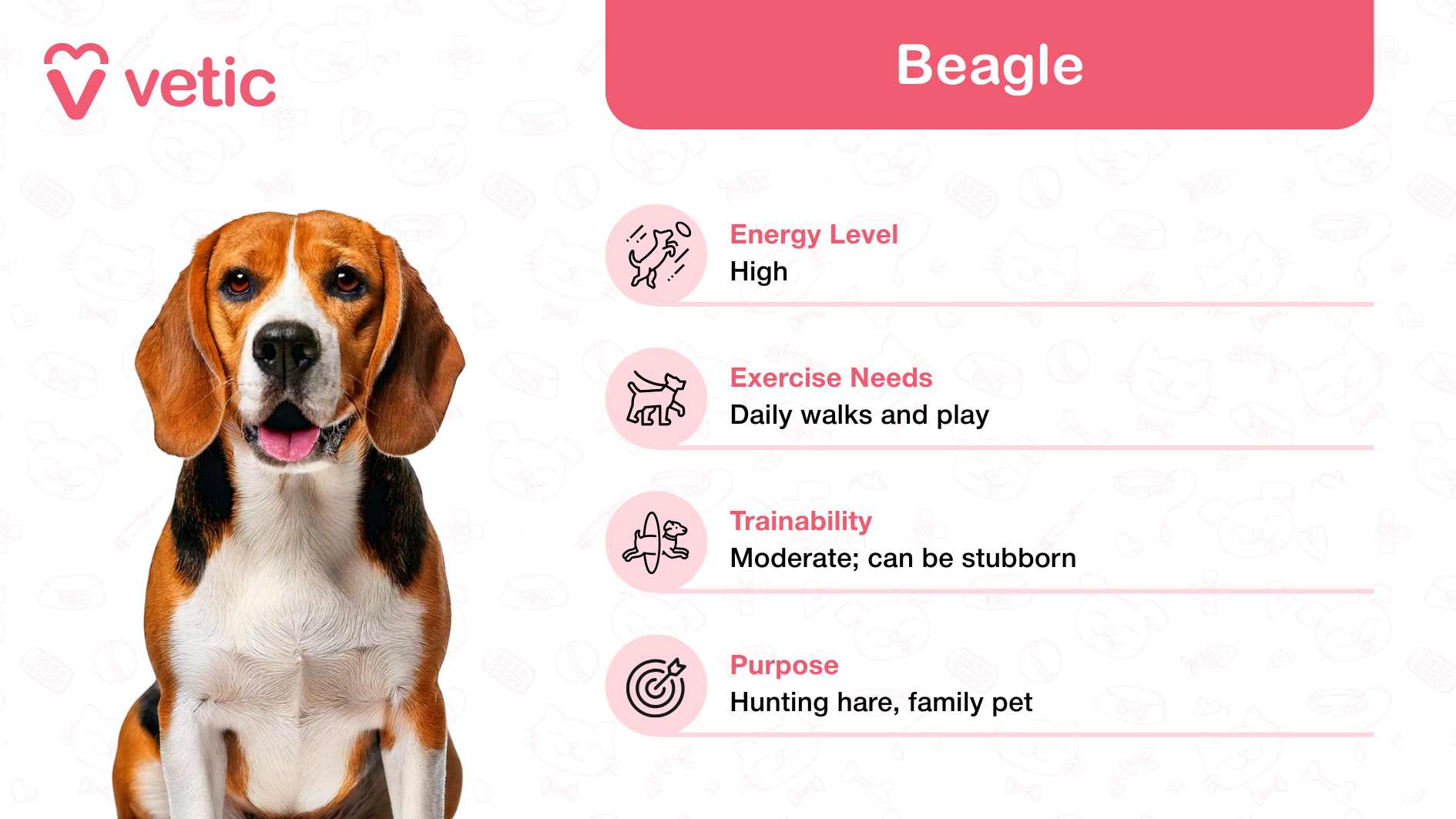
Beagles originated in England and were originally bred for hunting hare due to their excellent sense of smell. They are curious, friendly, and gentle dogs that form strong bonds with their families. Beagles are great with kids, thanks to their playful and tolerant nature. Because of their compact size and adaptable temperament, many families consider them one of the most apartment-friendly dogs in India, especially when they receive enough playtime and structured outdoor walks. Their cheerful personality makes them easy to love, though their scent-driven curiosity means training needs patience and consistency.
- Height: 33–41 cm
- Weight: 9–11 kg
- Lifespan: 12–15 years
- Energy Level: High
- Exercise Needs: Daily walks and play
- Trainability: Moderate; can be stubborn
- Health Issues: Obesity, epilepsy
5. Shih Tzu
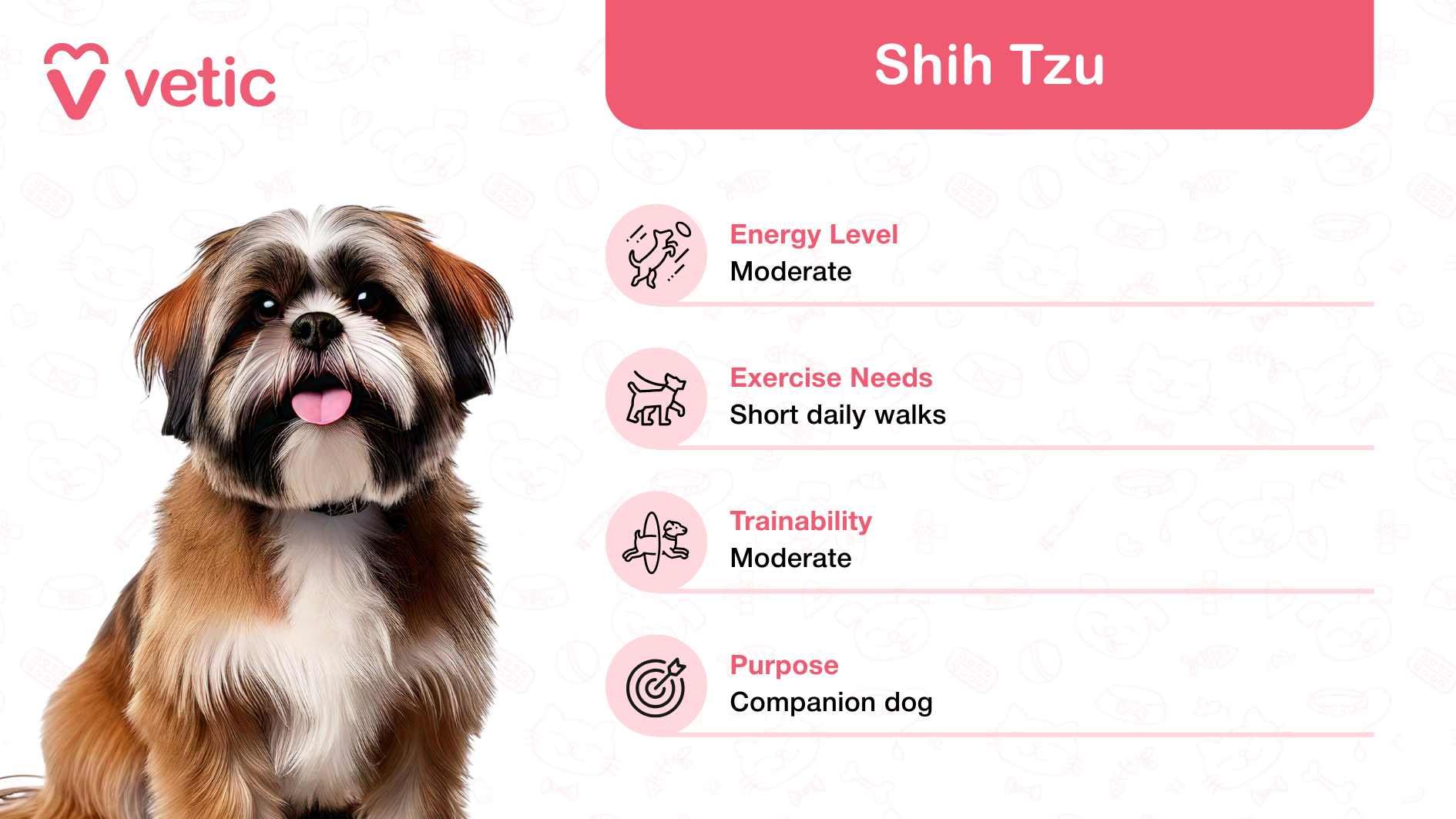
The Shih Tzu has its roots in Tibet, where it was bred as a companion dog for royalty and monks. These small dogs are affectionate, alert, and outgoing. Shih Tzus enjoy being around people and thrive on human companionship, making them excellent indoor pets for families. Their coat and brachycephalic (short-nose) anatomy make them sensitive to high temperatures, so it’s best to keep them indoors during peak heat, especially in warmer regions of India.
Because they don’t require intense exercise and adapt well to home environments, many families consider them one of the low-maintenance dog breeds in India.
- Height: 20–28 cm
- Weight: 4–7 kg
- Lifespan: 10–16 years
- Energy Level: Moderate
- Exercise Needs: Short daily walks
- Trainability: Moderate
- Health Issues: Brachycephalic syndrome, eye problems
6. Indian Spitz
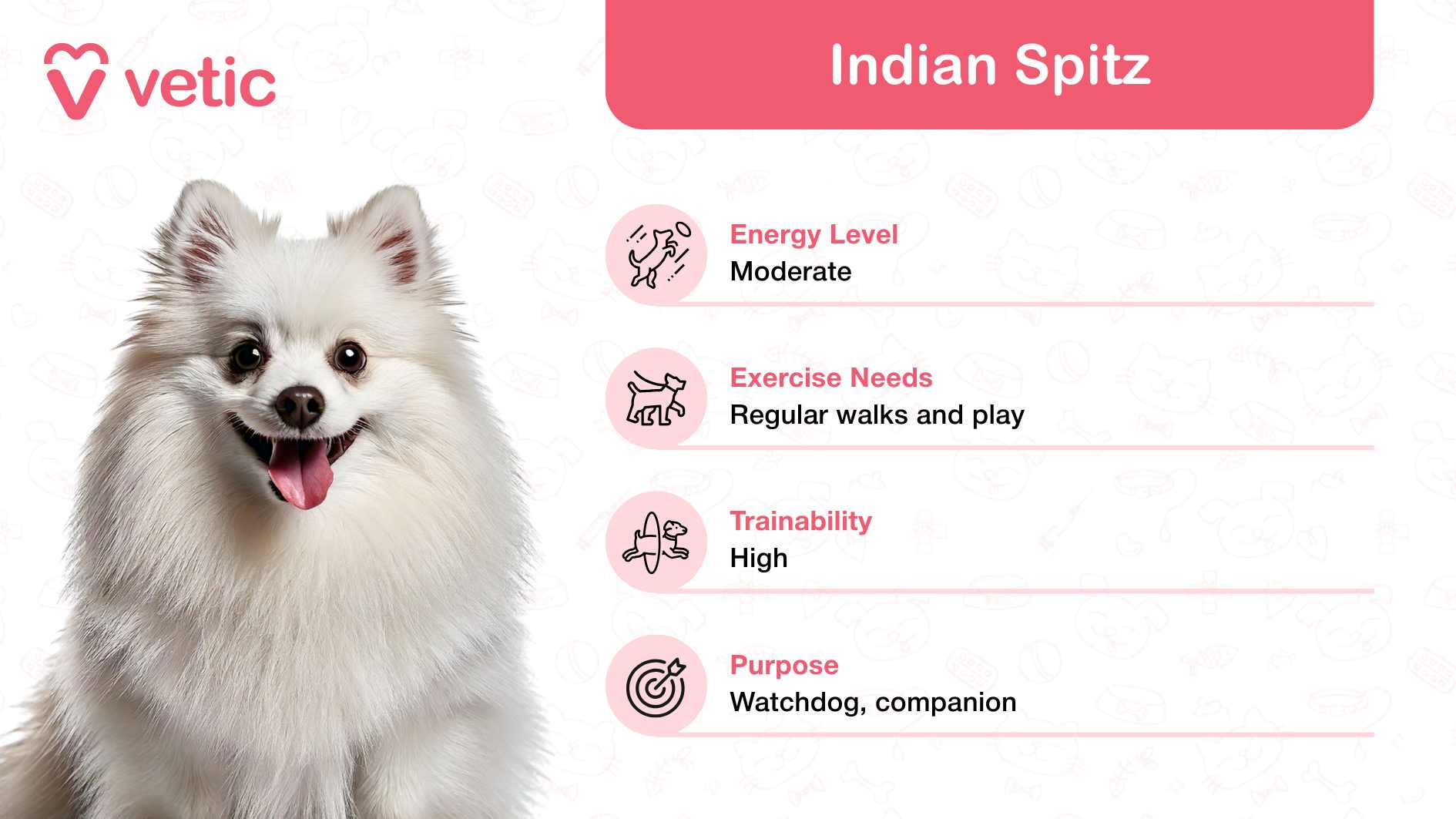
The Indian Spitz was developed in India during British colonial rule and shares ancestry with the German Spitz. Known for their loyalty and intelligence, these dogs are alert, social, and quick learners. Smart, healthy, and well-adapted to the local climate, the Indian Spitz is ideal for families looking for a companion that doesn’t require high-maintenance routines or special care. They make great watchdogs and affectionate companions, easily bonding with all family members.
- Height: 20–25 cm
- Weight: 5–10 kg
- Lifespan: 10–14 years
- Energy Level: Moderate
- Exercise Needs: Regular walks and play
- Trainability: High
- Health Issues: Skin allergies
7. Cocker Spaniel
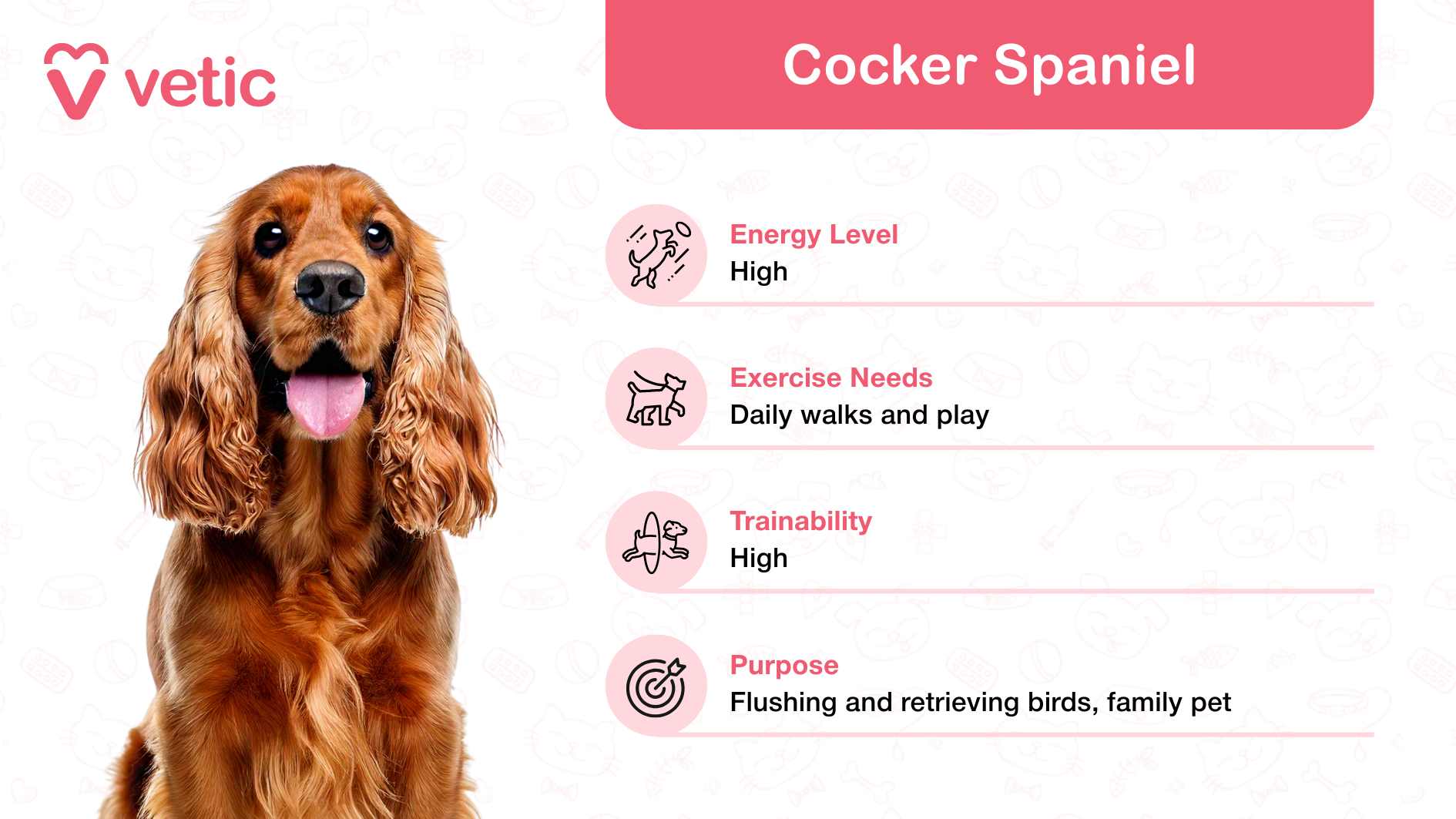
Originally from the UK, Cocker Spaniels were bred for flushing and retrieving birds. They are gentle, affectionate, and sociable dogs. Their sweet temperament and love for cuddles make them perfect for children, and they thrive in family settings.
- Height: 36–41 cm
- Weight: 11–14 kg
- Lifespan: 10–14 years
- Energy Level: High
- Exercise Needs: Daily walks and play
- Trainability: High
- Health Issues: Ear infections, eye problems
8. German Shepherd
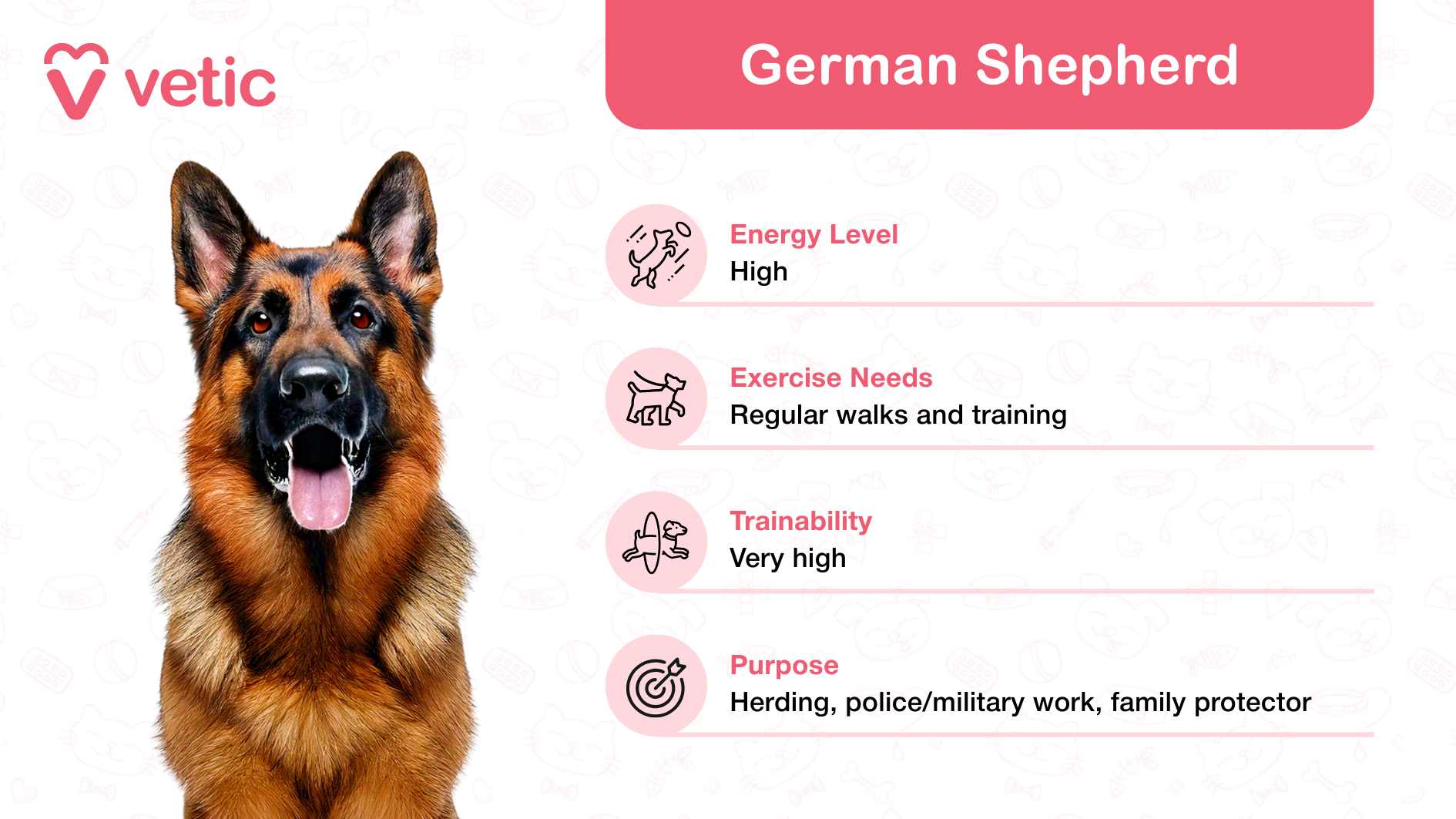
The German Shepherd was developed in Germany primarily as a herding dog and later gained popularity in police and military roles. Despite their tough image, GSDs are extremely loyal and protective of their family. With proper socialization, they are gentle and obedient around kids and make dependable family pets.
- Height: 55–65 cm
- Weight: 22–40 kg
- Lifespan: 9–13 years
- Energy Level: High
- Exercise Needs: Regular walks and training
- Trainability: Very high
- Health Issues: Hip dysplasia, digestive issues
9. Pug
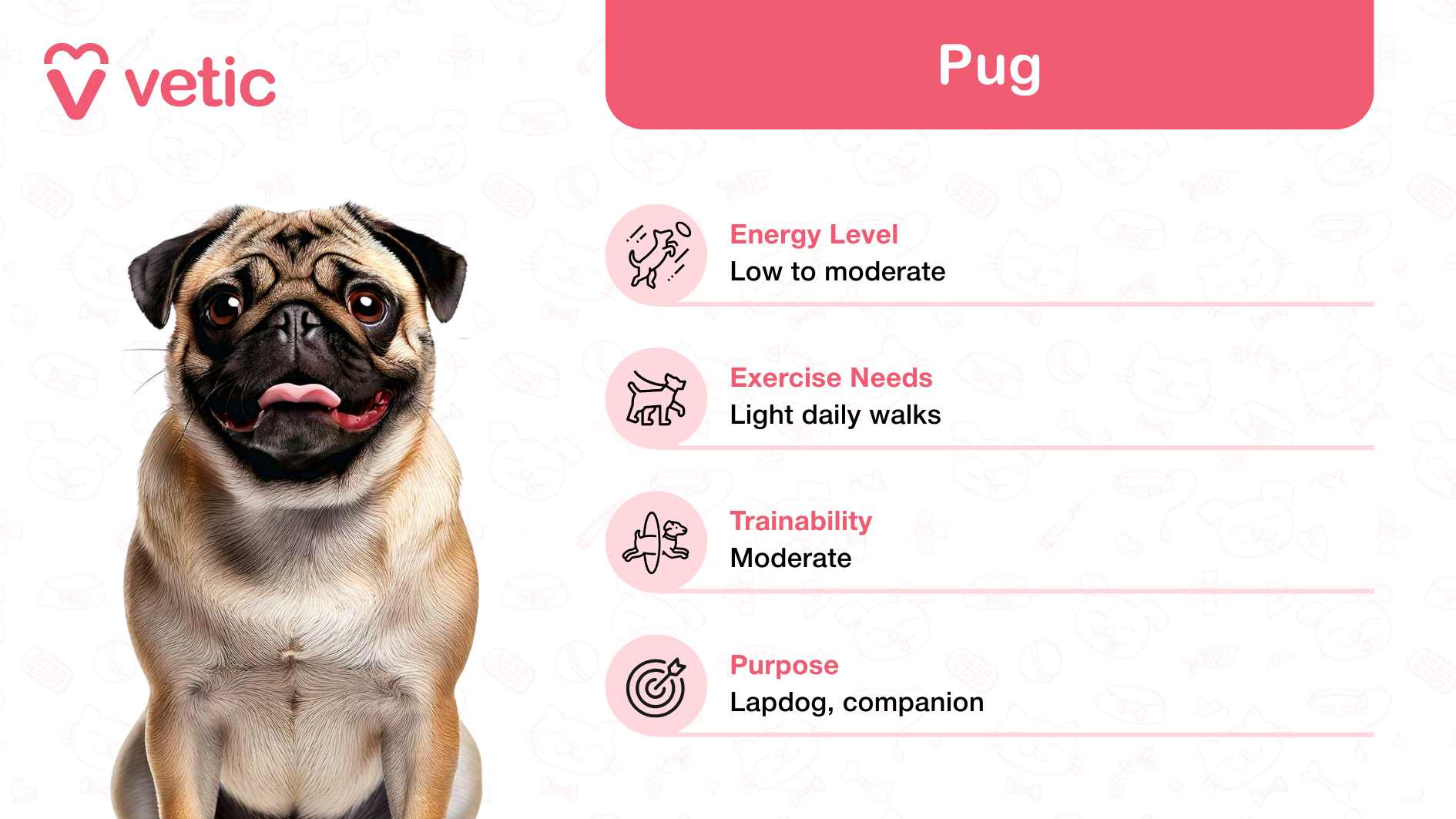
Pugs were originally bred in China to be lapdogs for emperors and nobility. These small dogs are known for their charming personalities and loving nature. Pugs are affectionate and enjoy spending time with their human family, making them great companions for children.
- Height: 25–30 cm
- Weight: 6–8 kg
- Lifespan: 12–15 years
- Energy Level: Low to moderate
- Exercise Needs: Light daily walks
- Trainability: Moderate
- Health Issues: Breathing problems (BOAS), skin issues
10. Boxer
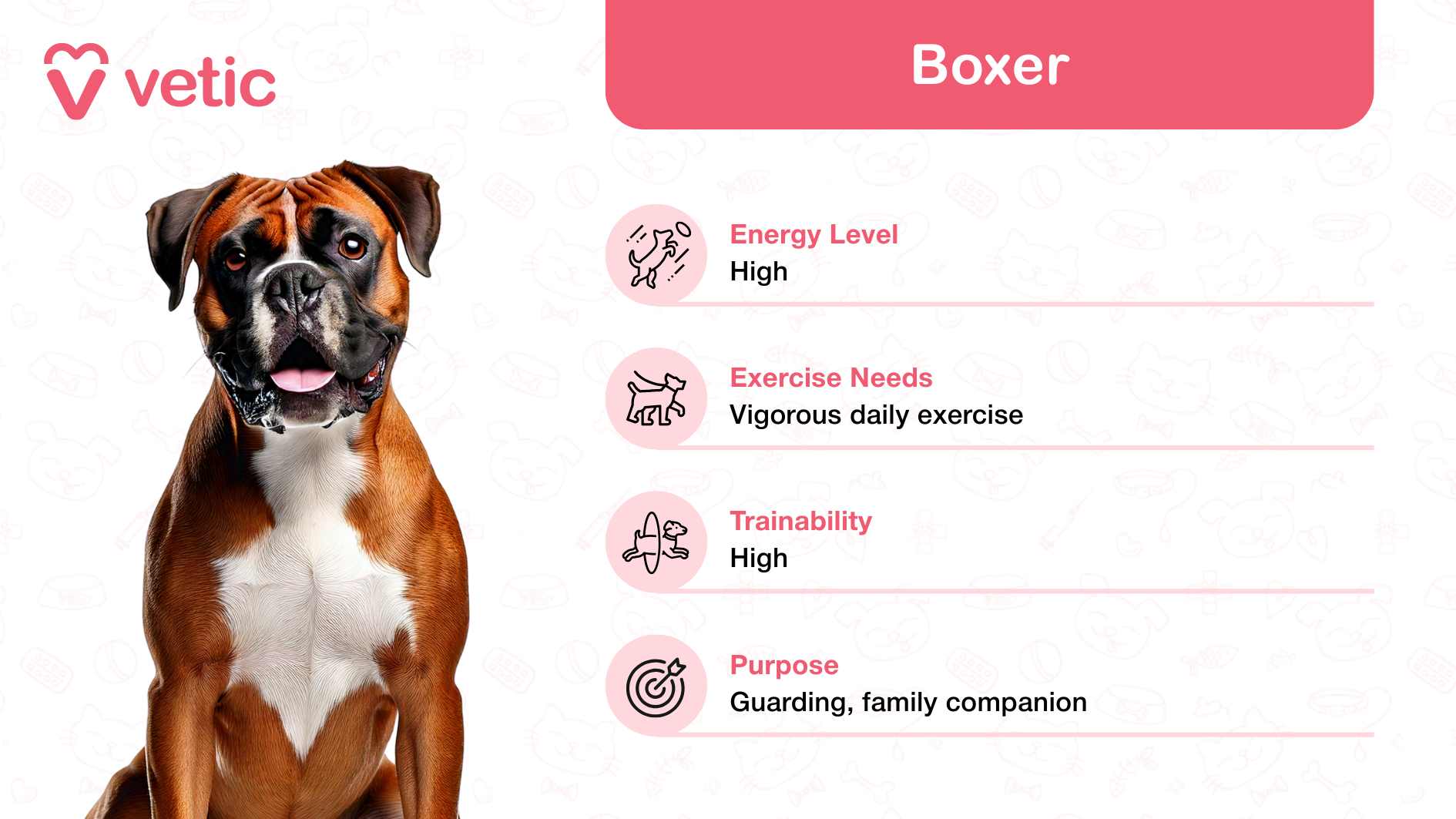
The Boxer originated in Germany and was used for hunting and guarding. They are loyal, energetic, and love to play, which makes them great companions for active families. Boxers are affectionate and protective of children, often acting as playful guardians.
- Height: 53–63 cm
- Weight: 25–32 kg
- Lifespan: 10–12 years
- Energy Level: High
- Exercise Needs: Vigorous daily exercise
- Trainability: High
- Health Issues: Heart problems, hip dysplasia
11. Dachshund
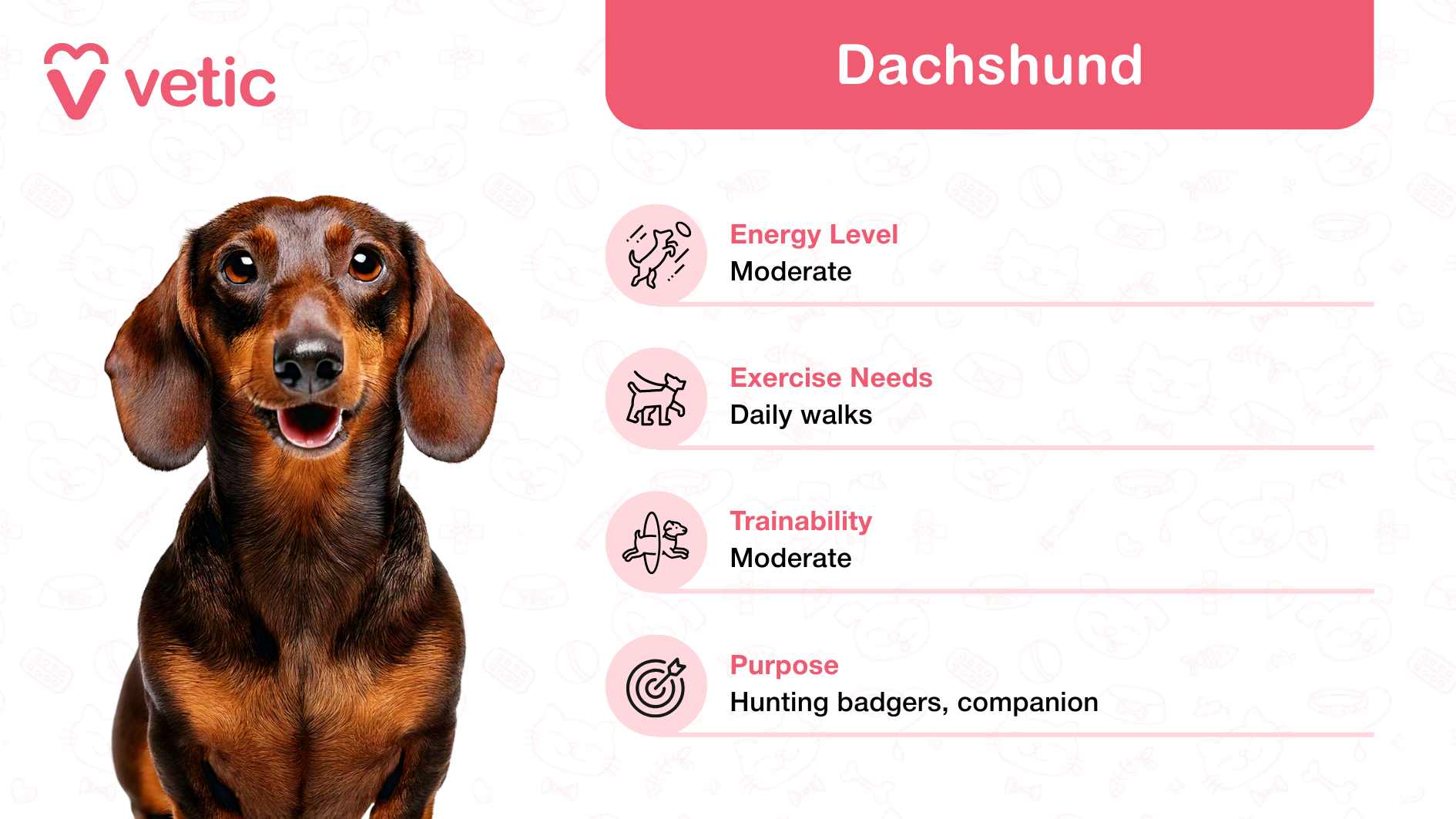
The Dachshund was originally bred in Germany to hunt badgers. They are lively, brave, and independent dogs. Their affectionate and curious nature makes them entertaining companions for children, though they do best with gentle play.
- Height: 13–23 cm
- Weight: 7–14 kg
- Lifespan: 12–16 years
- Energy Level: Moderate
- Exercise Needs: Daily walks
- Trainability: Moderate
- Health Issues: Spinal problems due to long back
12. Great Dane
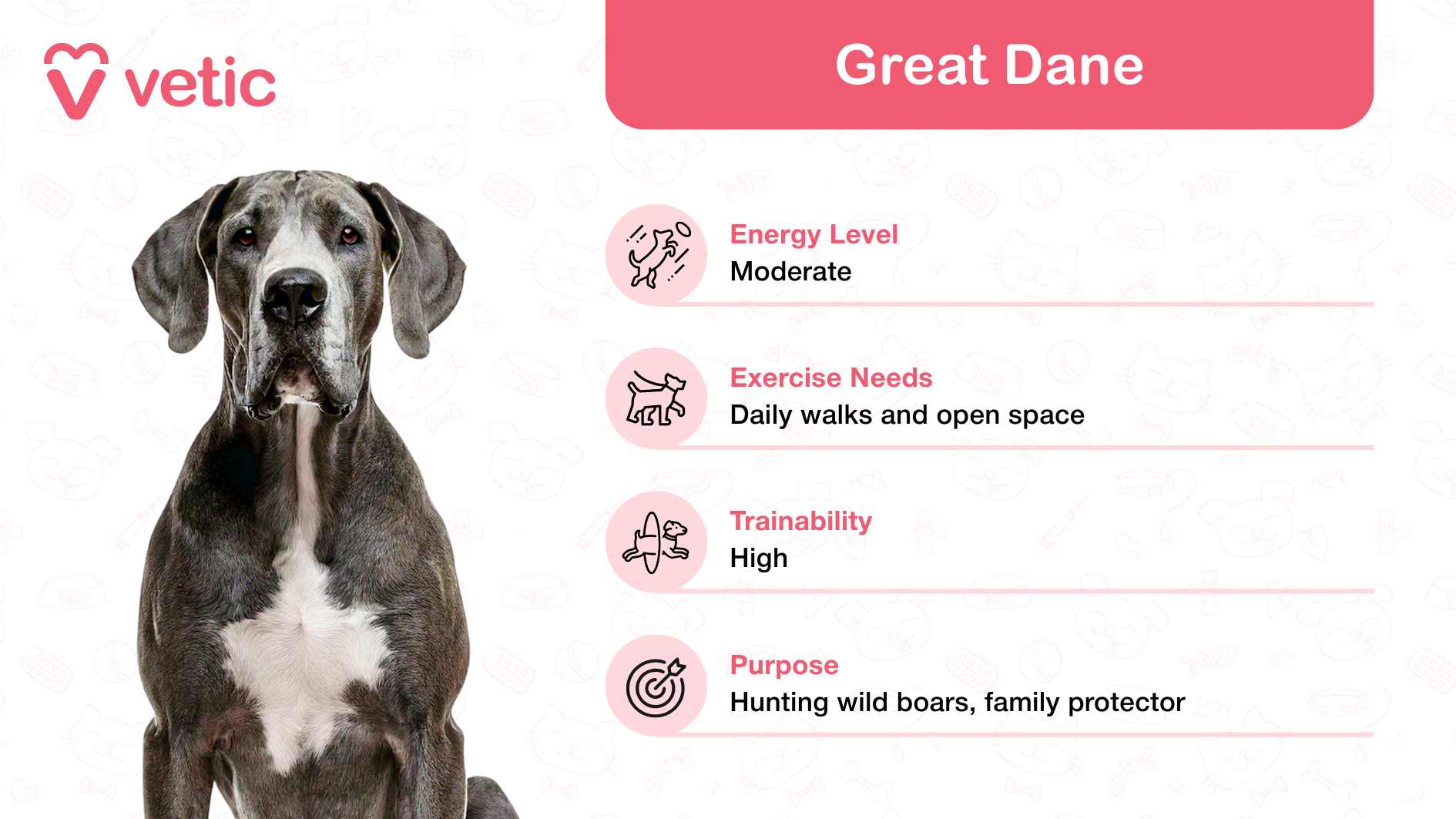
Despite their large size, Great Danes are known as gentle giants. Originally bred in Germany for hunting wild boars, they are calm, friendly, and patient. Their affectionate and tolerant nature makes them surprisingly good with children.
- Height: 71–86 cm
- Weight: 45–90 kg
- Lifespan: 7–10 years
- Energy Level: Moderate
- Exercise Needs: Daily walks and open space
- Trainability: High
- Health Issues: Bloat and GDV, heart disease
13. Pomeranian
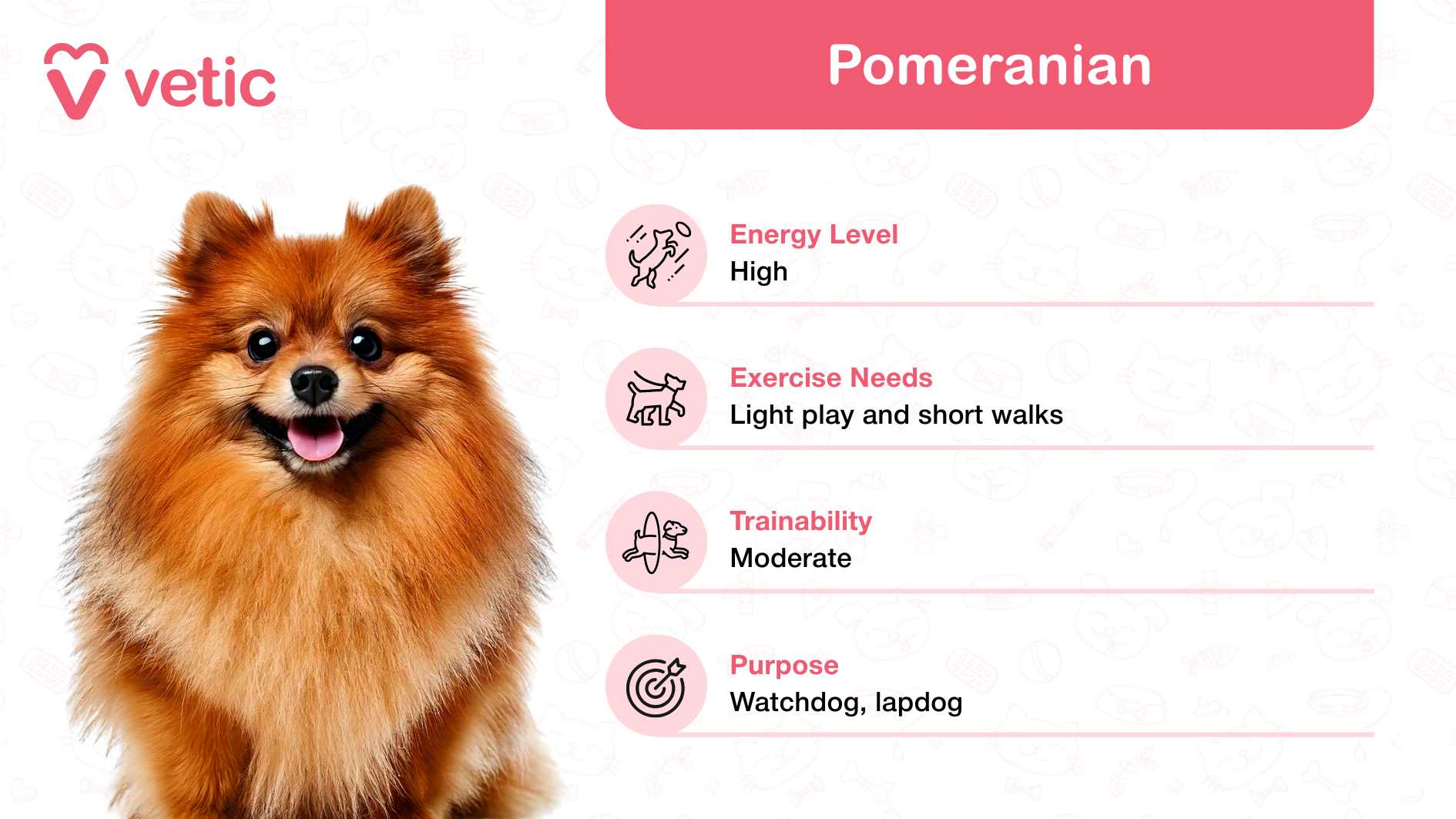
The Pomeranian, a descendant of large sled dogs from the Arctic region, is now a small, fluffy companion breed. They are lively, affectionate, and curious. Though tiny, they make great watchdogs and enjoy being the centre of attention.
- Height: 18–30 cm
- Weight: 1.5–3.5 kg
- Lifespan: 12–16 years
- Energy Level: High
- Exercise Needs: Light play and short walks
- Trainability: Moderate
- Health Issues: Dental issues, tracheal collapse
14. Saint Bernard
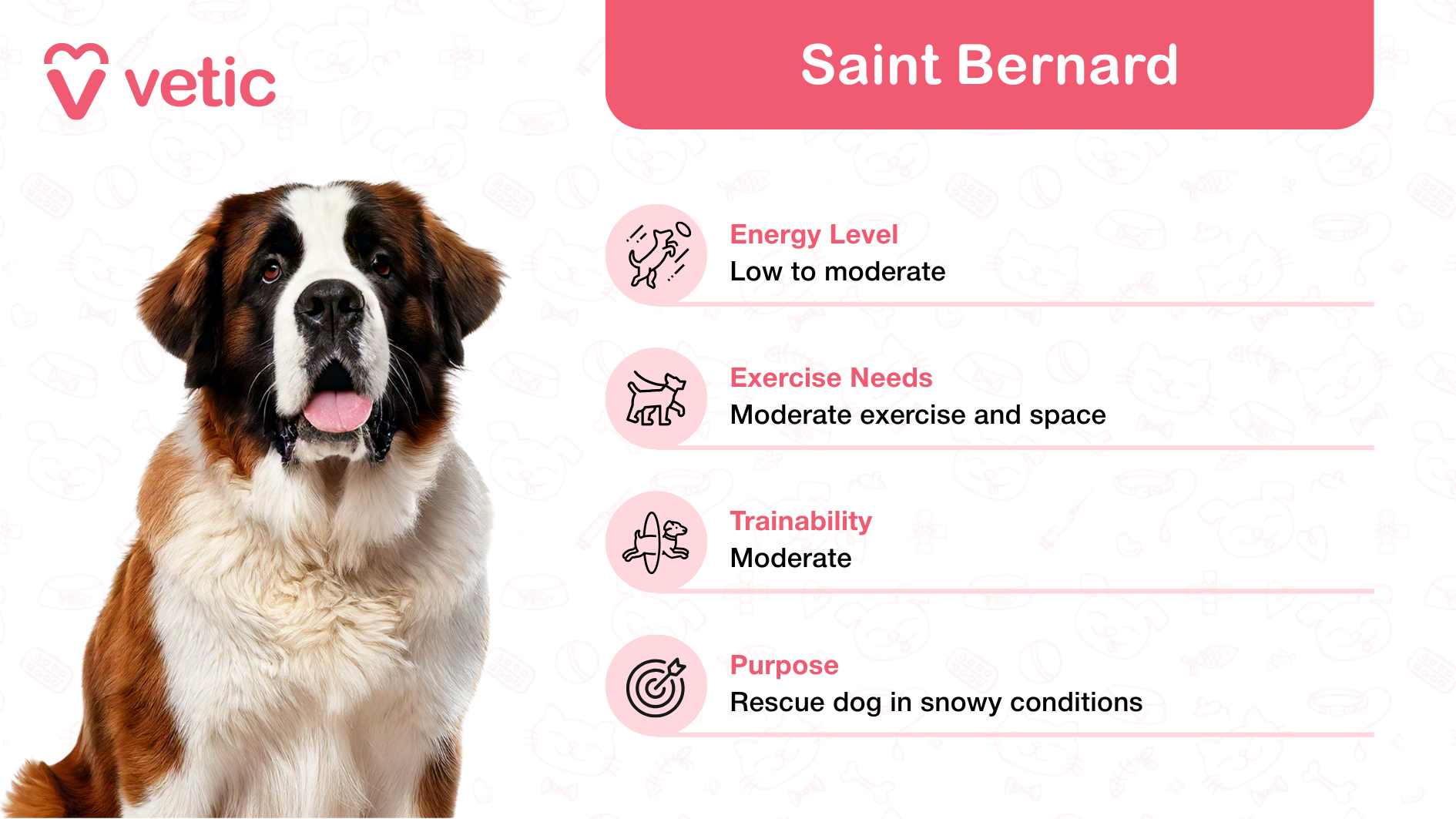
Saint Bernards were originally bred in the Swiss Alps to rescue travellers in snowy conditions. These giant dogs are gentle, patient, and protective. Saint Bernards are great with kids due to their calm nature, but they need space and cool climates.
- Height: 65–90 cm
- Weight: 55–90 kg
- Lifespan: 8–10 years
- Energy Level: Low to moderate
- Exercise Needs: Moderate exercise and space
- Trainability: Moderate
- Health Issues: Hip dysplasia, heart conditions
15. Lhasa Apso
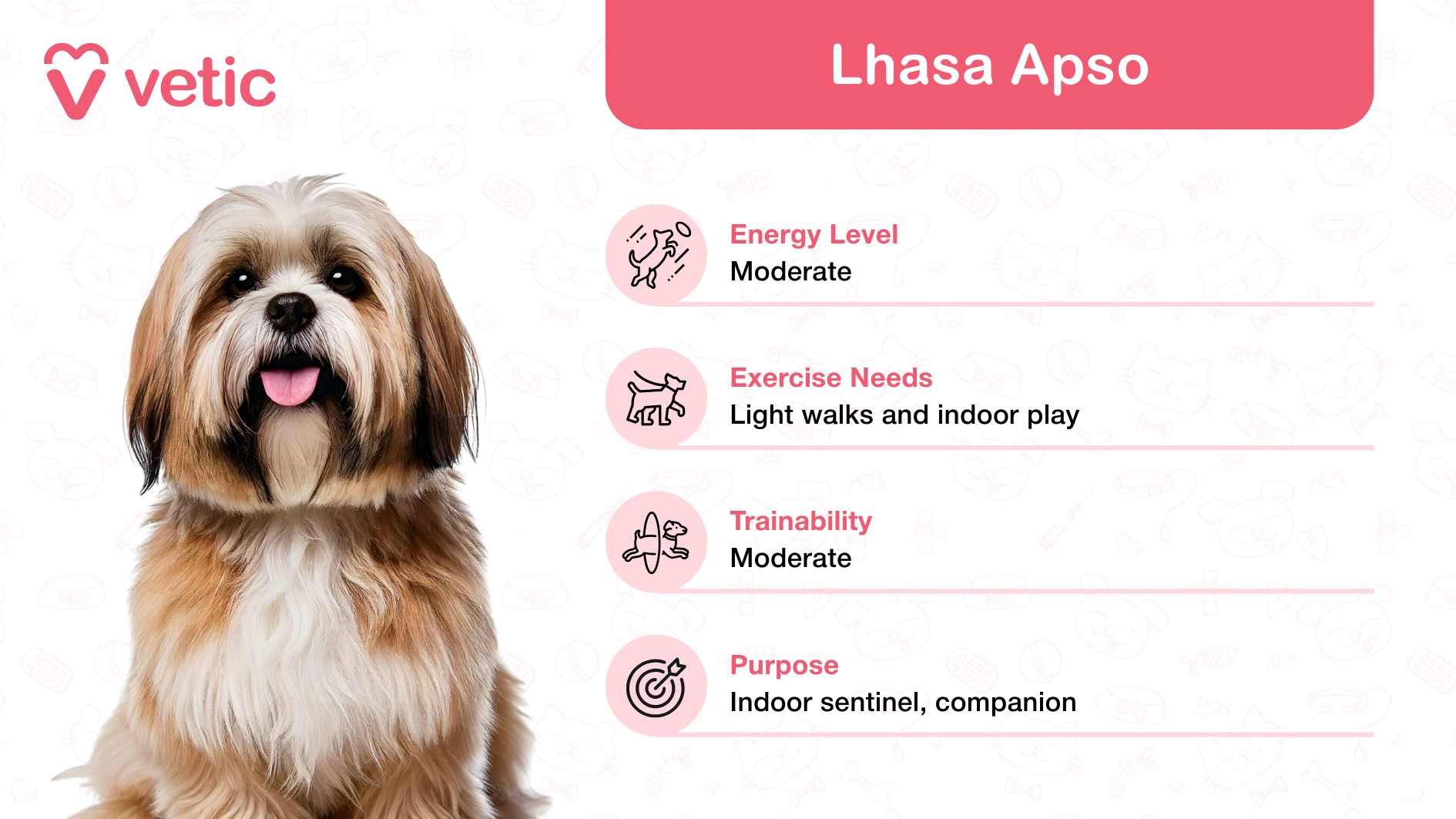
The Lhasa Apso hails from Tibet and was bred as an indoor sentinel for monasteries. They are loyal, independent, and alert. While slightly aloof with strangers, they are affectionate and playful with family members, including children.
- Height: 25–28 cm
- Weight: 5–8 kg
- Lifespan: 12–15 years
- Energy Level: Moderate
- Exercise Needs: Light walks and indoor play
- Trainability: Moderate
- Health Issues: Eye issues, allergies
16. Maltese
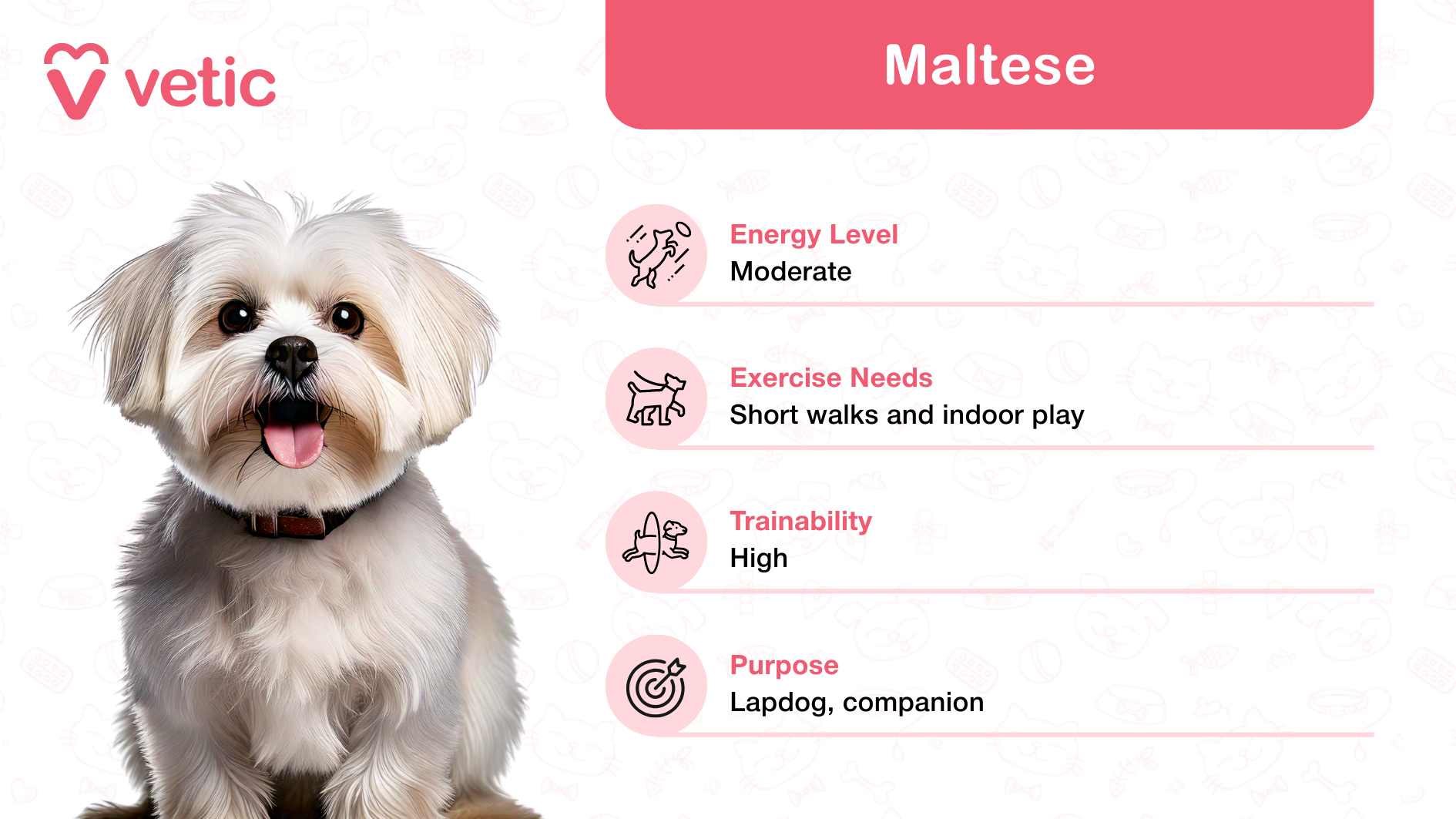
The Maltese is an ancient toy breed that originated in the Mediterranean region, particularly the island of Malta. These small dogs were bred to be companions for aristocrats and remain affectionate lapdogs to this day. They are playful, charming, and thrive on human companionship, making them ideal for families with children.
- Height: 20–25 cm
- Weight: 3–4 kg
- Lifespan: 12–15 years
- Energy Level: Moderate
- Exercise Needs: Short walks and indoor play
- Trainability: High
- Health Issues: Dental issues, tear staining
17. Poodle (Miniature and Standard)
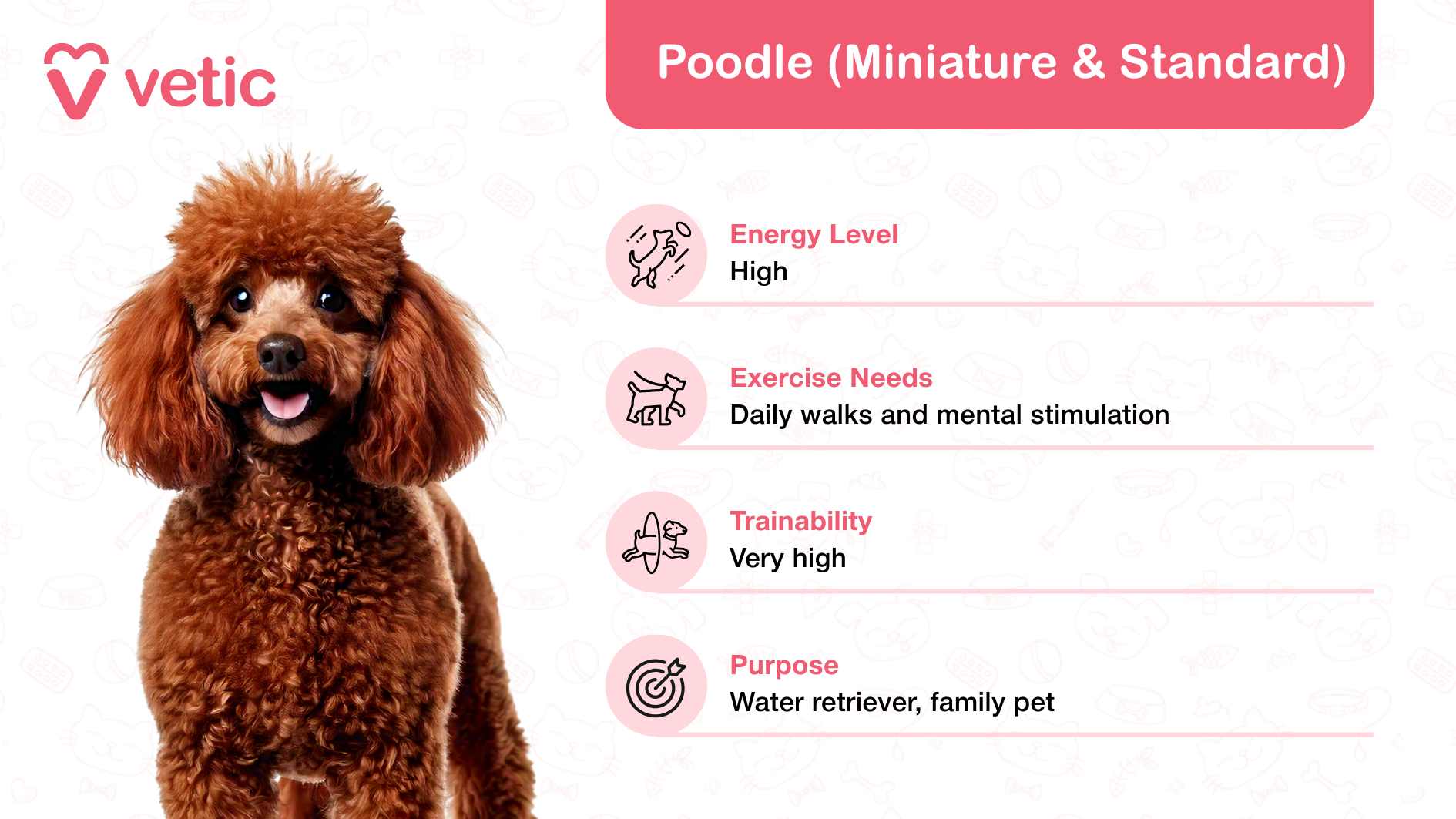
Poodles originated in Germany as water retrievers but gained popularity in France. Poodles are highly intelligent, trainable, and hypoallergenic, making them great family pets. They are good with children and enjoy learning new tricks and games.
- Height: 25–45 cm
- Weight: 6–30 kg (depending on size)
- Lifespan: 12–15 years
- Energy Level: High
- Exercise Needs: Daily walks and mental stimulation
- Trainability: Very high
- Health Issues: Eye issues, joint problems
18. Dalmatian
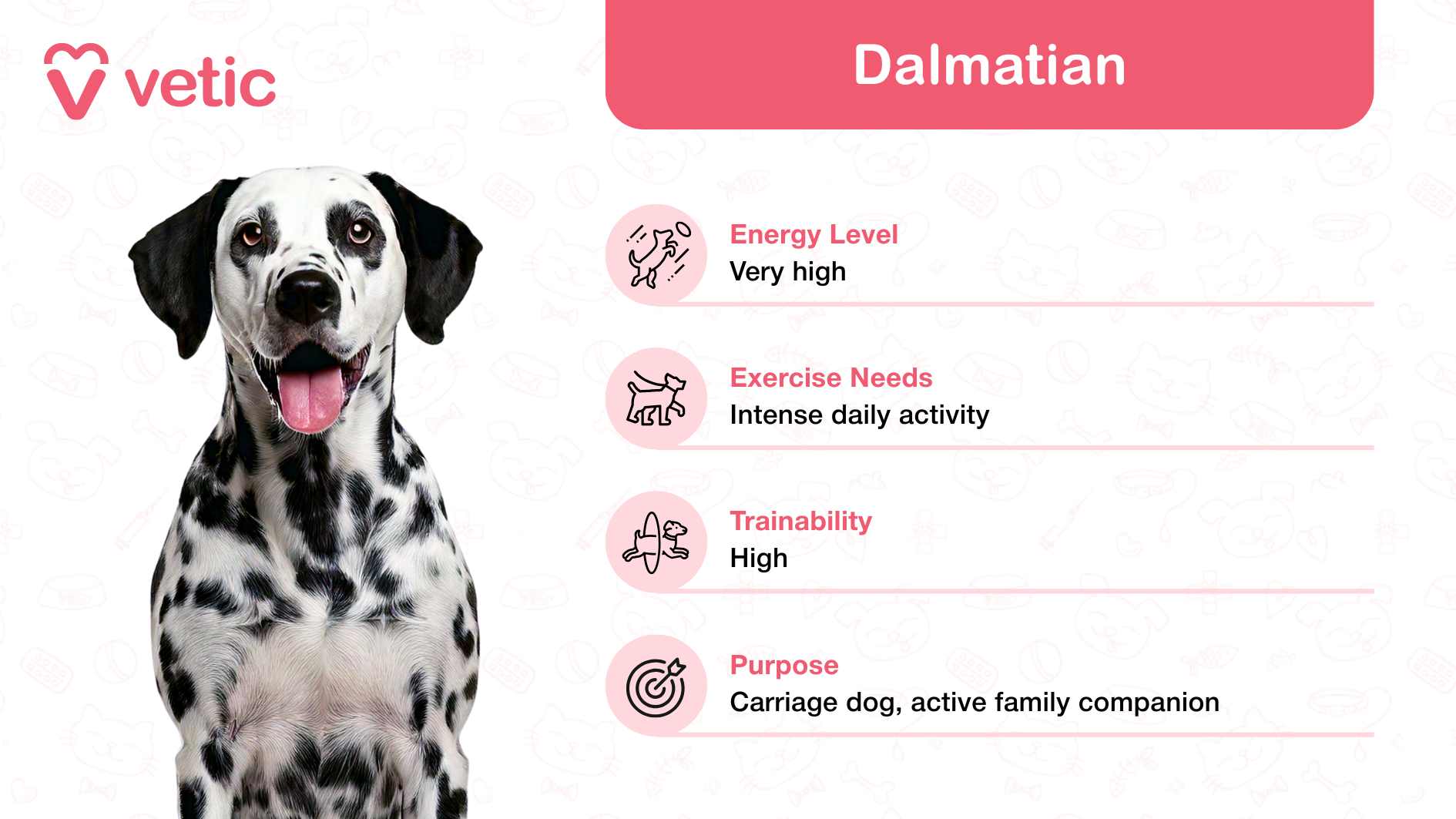
Originally bred as carriage dogs in Europe, Dalmatians are known for their distinctive spotted coats and boundless energy. They are loyal, playful, and protective, making them good companions for active families with older children.
- Height: 48–61 cm
- Weight: 20–30 kg
- Lifespan: 10–13 years
- Energy Level: Very high
- Exercise Needs: Intense daily activity
- Trainability: High
- Health Issues: Deafness, urinary stones
19. Basset Hound
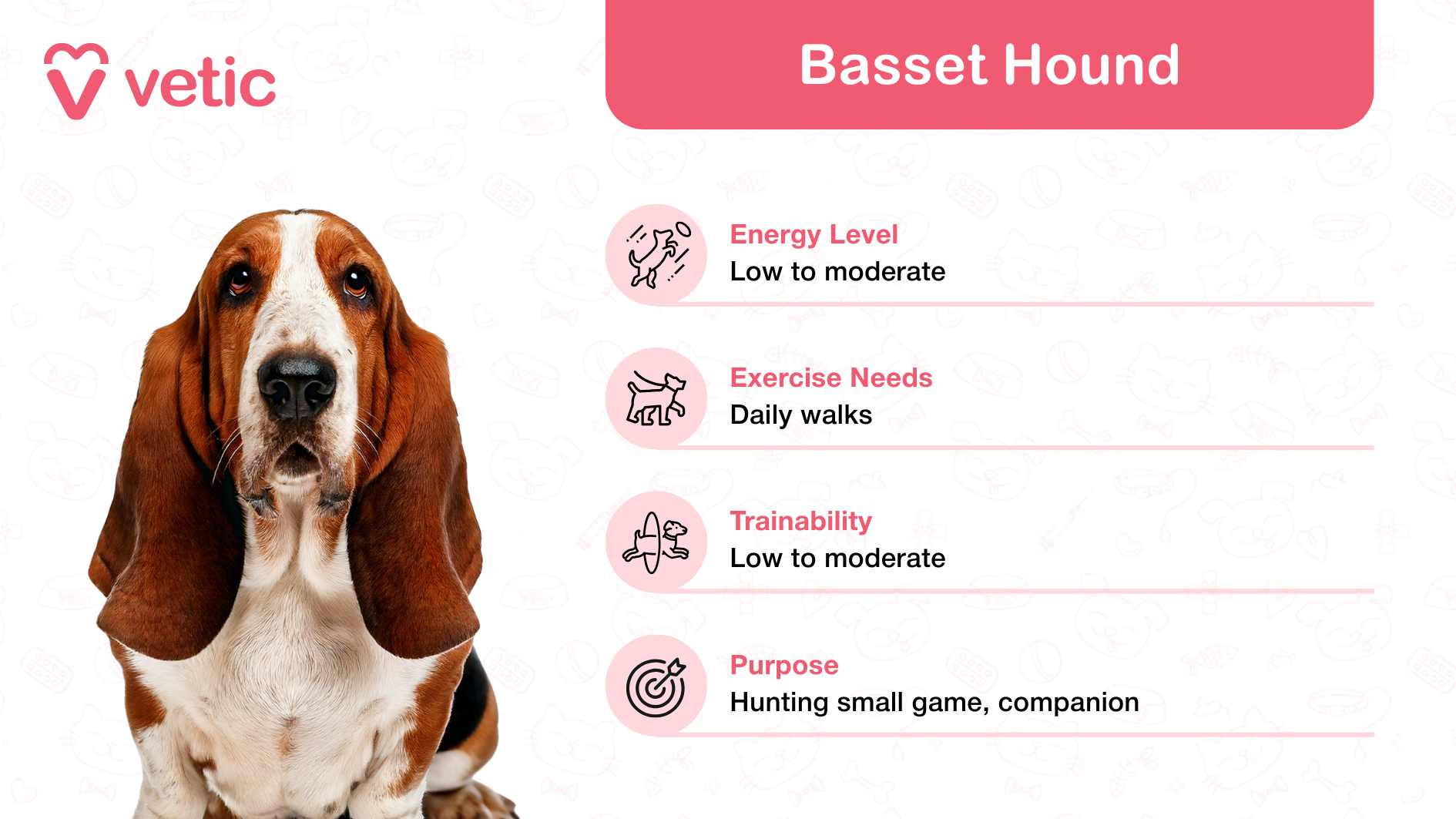
Basset Hounds were developed in France for hunting small game. With their droopy ears and laid-back demeanor, they are affectionate and gentle. They are known for being good with kids, but require patience when it comes to training.
- Height: 28–38 cm
- Weight: 20–29 kg
- Lifespan: 10–12 years
- Energy Level: Low to moderate
- Exercise Needs: Daily walks
- Trainability: Low to moderate
- Health Issues: Ear infections, obesity
20. Border Collie
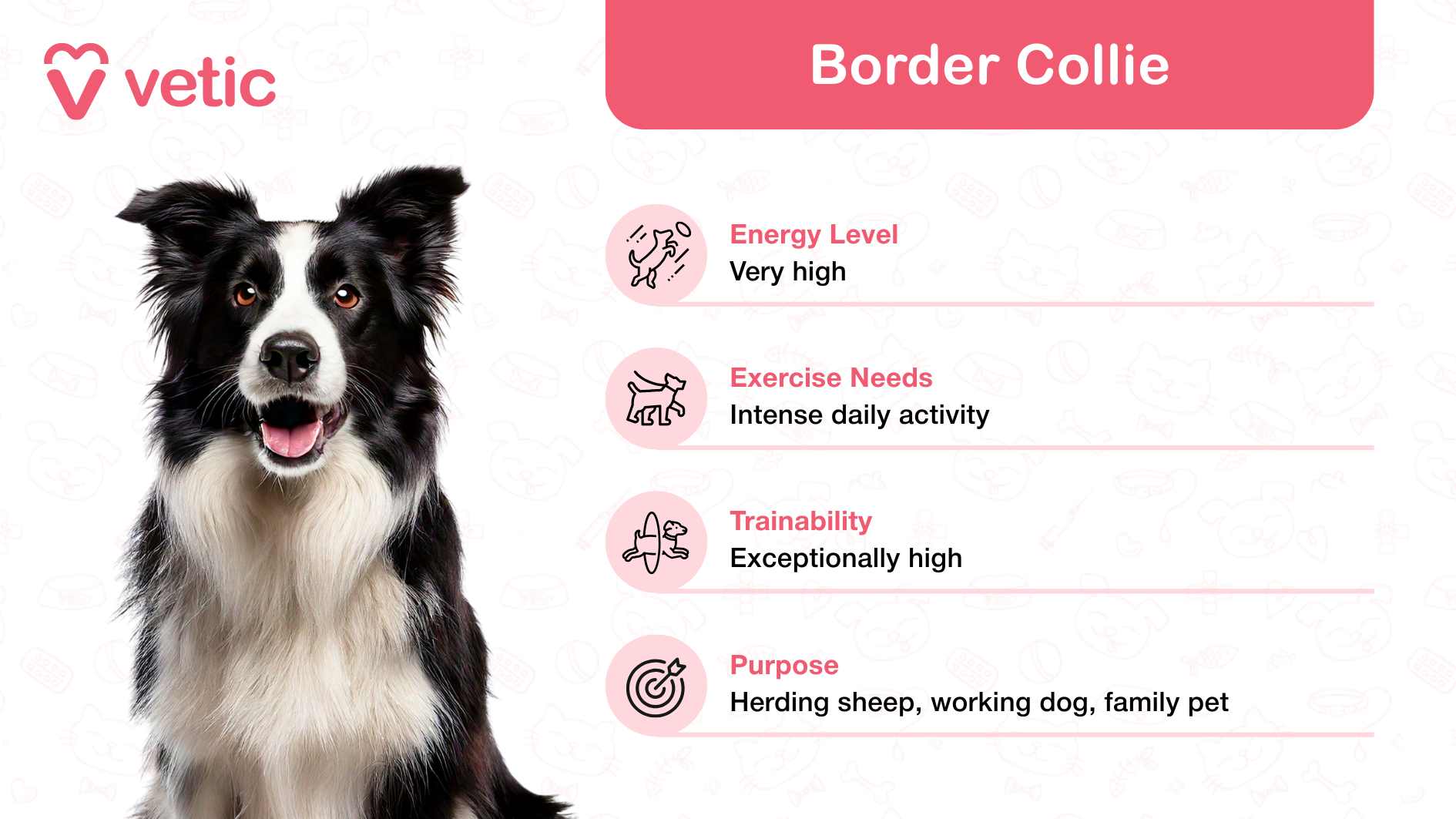
Border Collies were developed on the border of England and Scotland for herding sheep. They are extremely intelligent, agile, and eager to learn. While they require mental and physical stimulation, they are affectionate with kids and devoted to family.
- Height: 46–56 cm
- Weight: 12–20 kg
- Lifespan: 12–15 years
- Energy Level: Very high
- Exercise Needs: Intense daily activity
- Trainability: Exceptionally high
- Health Issues: Eye conditions, hip dysplasia
No matter which dog breed or puppy you adopt, remember, they are a life-long responsibility. You will be their entire world!
Finding the Best Dog for Your Family Type
Every family is different; some live in compact apartments, some have active outdoor lifestyles, and others prefer calmer, easy-to-manage breeds. Choosing a dog that matches your daily routine and living setup will help ensure a smoother adjustment and a happier long-term bond. When searching for the best family dogs in India, it helps to compare breeds based on available space, activity levels, and grooming needs. Below is a quick guide to help you make a more practical decision, especially if you’re considering apartment dogs in India or breeds suitable for large homes.
| Family Type / Home Setup | Recommended Breeds |
| Apartment Families | Pug, Beagle, Shih Tzu |
| Active Families | Labrador Retriever, Border Collie |
| Large Homes With Yard or Open Space | Golden Retriever, German Shepherd |
How Much Does It Cost to Maintain Different Dog Breeds in India?
While choosing a pet, it’s helpful to understand the long-term cost and care involved. Smaller breeds like Pugs, Shih Tzus, and Beagles generally require less food and have lower monthly expenses, making them easier to maintain. Larger dogs such as Labradors, German Shepherds, and Golden Retrievers need more food, routine grooming, and structured exercise, which increases their maintenance cost. Veterinary care, vaccinations, tick prevention, and training should also be included in your yearly planning to ensure your dog stays healthy and comfortable throughout its life.
What are the Common Health and Grooming Needs of Popular Dog Breeds?
Most family-friendly breeds remain healthy with regular care, but preventive grooming and routine veterinary checks make a big difference in long-term well-being. Breeds like Labradors, Golden Retrievers, German Shepherds, Beagles, and Pugs benefit from consistent routines that include coat brushing, ear cleaning, dental hygiene, and weight monitoring. Regular check-ups, tick prevention, and proper nutrition help avoid common issues such as infections, obesity, and joint concerns. If you’re unsure where to start, a structured grooming and health routine can help keep your dog comfortable and thriving.
Learn more at: Dog Grooming & Health Check
Safety & Behavior with Kids
Even the most kid-friendly dog breeds in India benefit from proper guidance and supervision. A calm, well-trained dog and a respectful child create a safe and positive bond. While many breeds naturally enjoy children’s company, early training helps build confidence, trust, and appropriate play behavior.
- Train early for socialization: Introducing your dog to different sounds, people, and environments helps them adjust better and stay relaxed around children.
- Supervise playtime: Kids may unintentionally pull ears or tail, and puppies can play rough—supervision ensures safe interactions for both.
- Reward calm behavior: Positive reinforcement helps dogs learn patience, gentle play, and household boundaries.
What Challenges Do New Dog Owners Face—and How Can They Solve Them?
Bringing home a dog is exciting, but the first few months often come with a learning curve. Separation anxiety, chewing, barking, and shedding are normal behaviours in many breeds, especially during growth and adjustment periods. Consistent routines, gentle guidance, and patience can help your dog settle into family life more easily. Simple practices like crate training, mental enrichment toys, and calm reinforcement make a big difference and are often recommended in most dog training tips in India. With time, structure, and the right environment, most challenges become manageable phases rather than long-term problems.
How Can You Adopt and Raise a Dog Responsibly in India?
Choosing a dog should always be a thoughtful and responsible decision. Whether you adopt or purchase, ensure the source is ethical, transparent, and prioritises animal welfare. Always adopt from verified shelters or responsible breeders who provide health records, temperament information, and proper care. Once you bring your dog home, make sure vaccination, deworming, and microchipping are completed on time, as these steps help keep your pet safe and protected throughout life.
Read more on: Pet Adoption Awareness
Conclusion: Choosing Your Ideal Companion
Every home, routine, and family dynamic is different, and so is every dog. Whether you live in a small flat, a spacious home, or even a farm, there’s a suitable companion for every lifestyle. The key is to choose a breed that matches your daily routine, space, and energy level, rather than following trends or appearances. When a dog’s needs and a family’s lifestyle align, the relationship becomes rewarding, balanced, and long-lasting.
Consult a Vet at Vetic to find your perfect pet match.
Frequently Asked Questions
- What are the best dog breeds for families with children in India?
Breeds like Labrador Retrievers, Golden Retrievers, Beagles, Pugs, Indian Pariah Dogs, and Shih Tzus are commonly recommended due to their gentle and family-friendly temperament.
- Are small or large dogs better for families with kids?
Both can do well—what matters more is temperament, training, and supervision. Some small dogs prefer calm handling, while larger breeds are often more patient with playful children.
- Which dog breeds are easiest to train for families?
Labrador Retrievers, Border Collies, Poodles, and German Shepherds are known for their intelligence and strong trainability.
- Are Indian breeds good family dogs?
Yes. Breeds like the Indian Pariah Dog and Indian Spitz are intelligent, adaptable to climate, low-maintenance, and bond well with families.
- What are the most low-maintenance family-friendly dogs in India?
Indian Pariah Dogs, Pugs, Beagles, and Shih Tzus are often considered easier to maintain with consistent care.
- How can I choose the right dog breed for my family’s lifestyle?
Consider your space, activity level, available grooming time, and whether anyone has allergies. A well-matched breed adjusts smoothly and remains happy and healthy.
- Are there dog breeds that are especially good with young children?
Golden Retrievers, Labradors, Boxers, and Indies are known for their patience and protective nature around kids when socialised early.
- How do I introduce a new dog safely to my kids?
Start slowly, supervise interactions, teach children to respect boundaries, and reward calm behaviour from both sides. - What are the best apartment-friendly dog breeds for families in India?
Breeds like Pugs, Beagles, Shih Tzus, and Maltese tend to adapt well to apartment living when given proper exercise. - How do I ensure my dog and kids build a safe, loving bond?
Early socialisation, positive reinforcement, gentle play, and consistent rules help nurture trust and comfort between children and pets.